






How ZS Robotics Builds Safety Into Warehouse Automation
News
2025/03/11
ZS Robotics




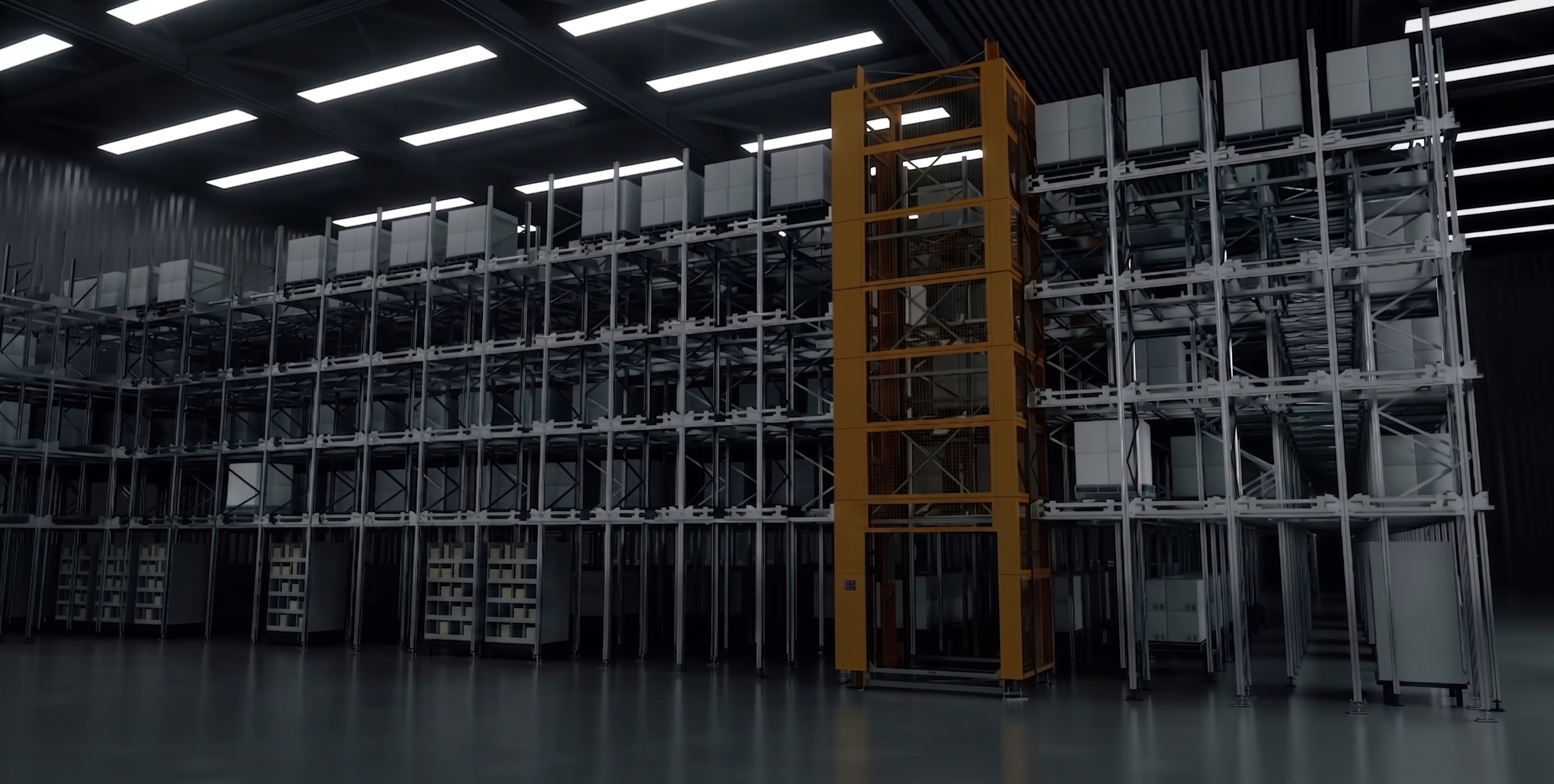
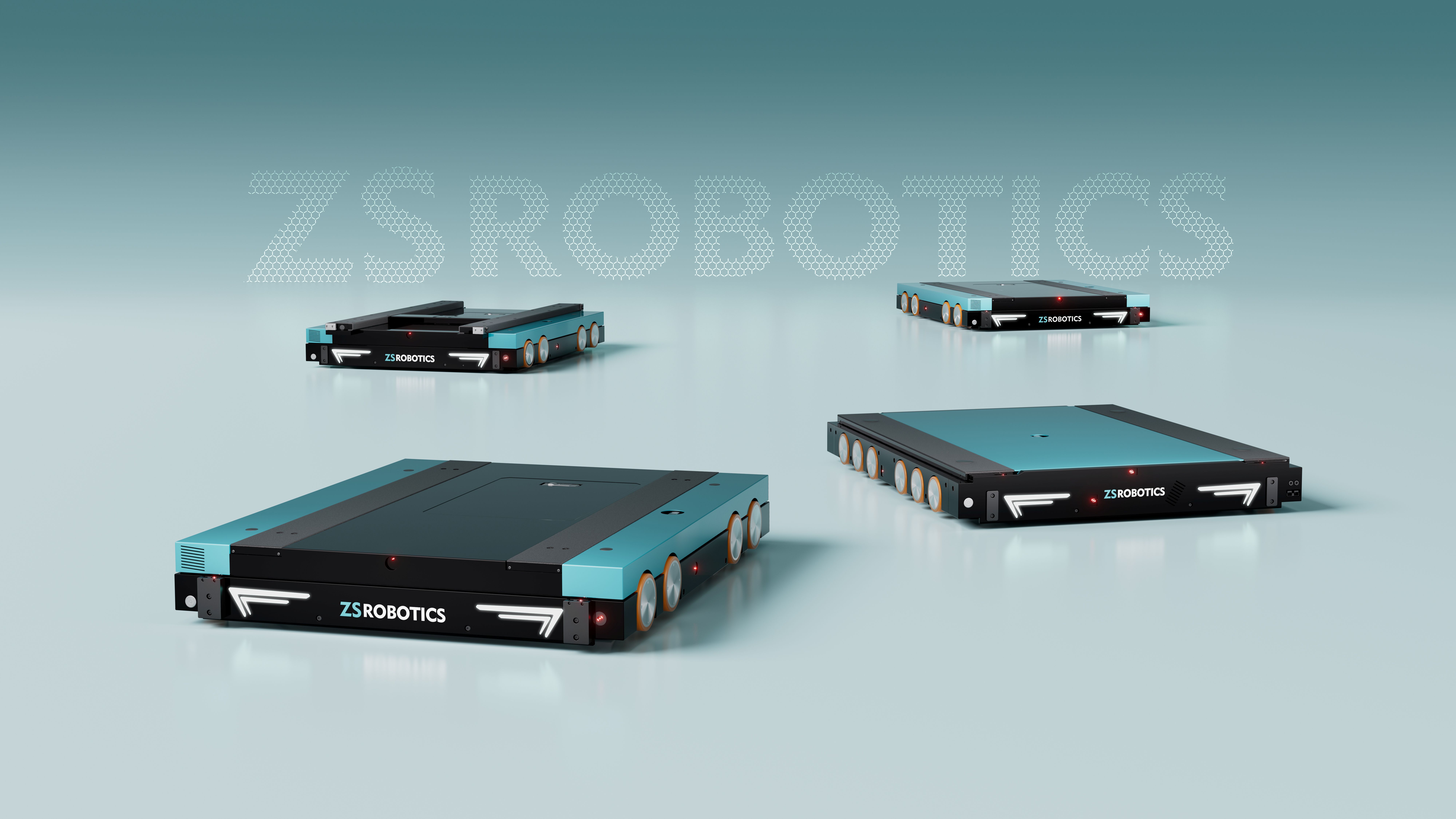
Four-way pallet shuttles are used across footwear and apparel, food, cold chain, automotive, pharmaceuticals and advanced manufacturing. Their environments vary considerably, and a system that stores more in the same space still has to handle those differences safely.
How do you increase warehouse storage density and efficiency while reducing the risks associated with shuttle operation? At ZS Robotics, we approach the question at three levels: the shuttle itself, the way it operates within the warehouse, and the software that controls the system.
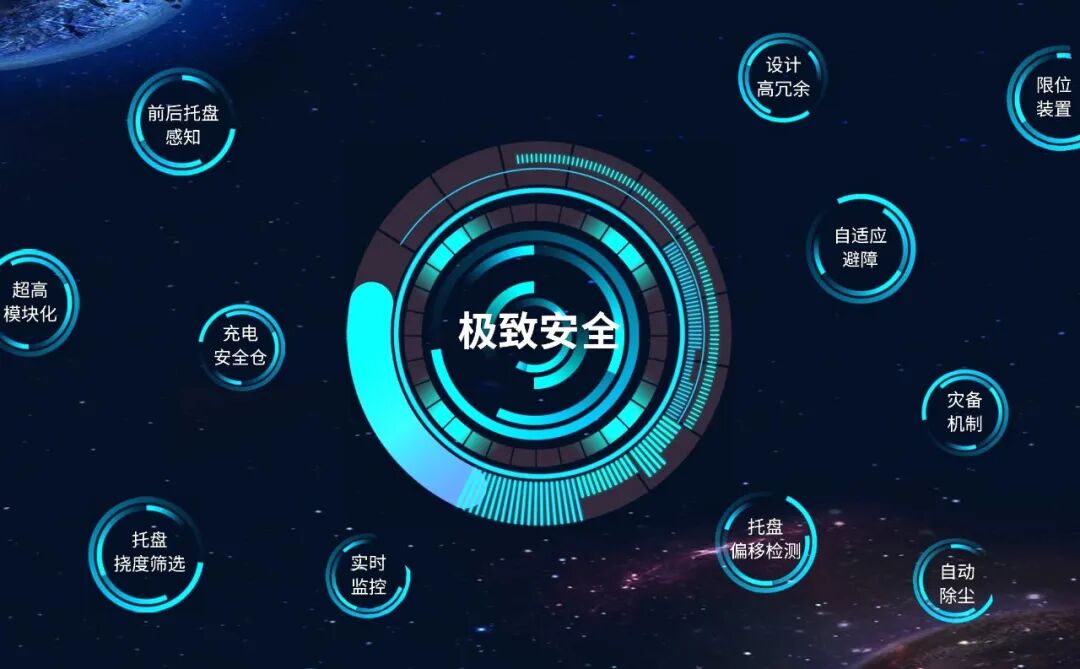
1. Safety at the Shuttle Level
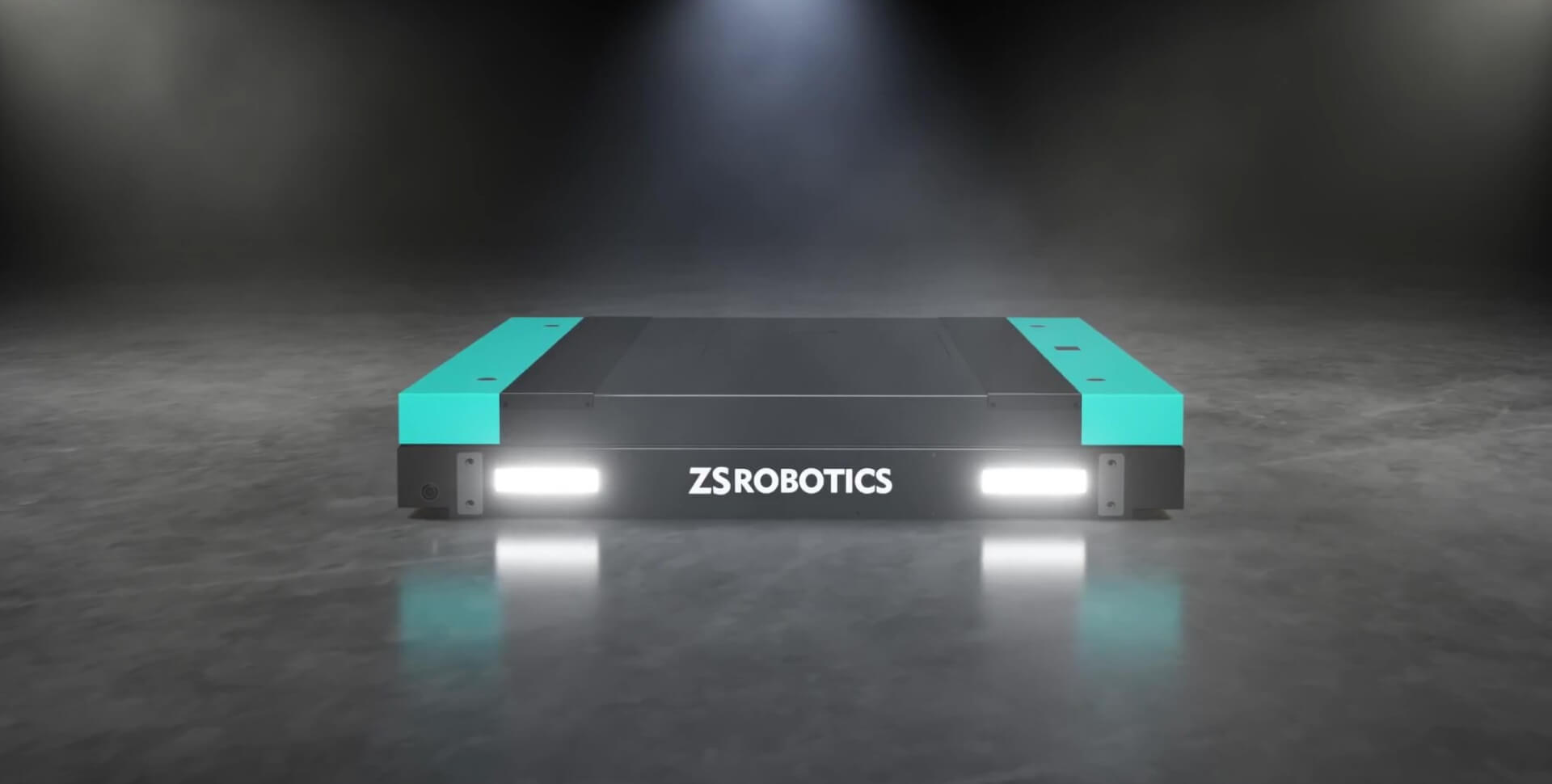
The design of the four-way pallet shuttle is the first line of defense. Alongside mechanical stability, ZS Robotics focuses on helping the shuttle sense and adapt to changes in its operating environment.
Multiple Layers of Sensing and Obstacle Avoidance
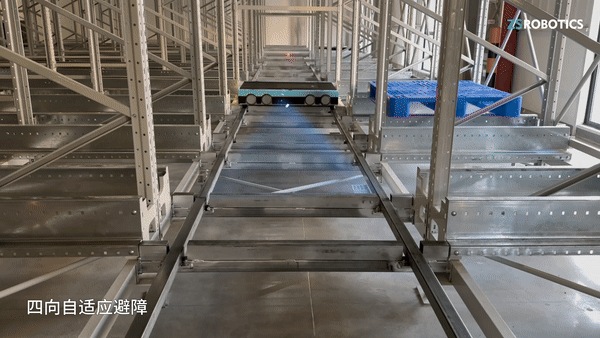
Adaptive obstacle avoidance in all four directions. Sensing distance adjusts to the shuttle's speed. This lets the shuttle stop safely before an obstacle without unnecessarily blocking more of the route than it needs.
Front and rear pallet sensing. The mounting and detection positions are selected to reduce interference caused by differences in pallet shape, height and material, making detection more consistent.
Pallet presence detection. Dedicated sensors check whether a pallet is present, including when a storage location is marked incorrectly in the WMS, an operator makes a mistake, or a pallet is lost in transit. The sensors are designed to reduce interference from differences in pallet color and material and from changes in the surrounding environment.
Pallet displacement detection. Four sensors check whether the pallet extends beyond its safe envelope, regardless of pallet type. During pickup, they check the pallet's position relative to the shuttle to help prevent collisions from excessive offset. In transit, they continue to monitor for displacement outside the safe area so the system can detect a problem promptly.
Mechanical Design With Safety Margin
Modular construction. The shuttle is more than 90% modular and uses plug-in electrical controls, while retaining a stable mechanical structure.
Design and testing above rated specifications. Design margins and stress tests go beyond the stated specifications to support durability and stable operation in real conditions.
Adaptation to Site Conditions
Automatic QR-code cleaning. ZS Robotics reports that the automatic cleaning device removes 95% of contamination from QR codes. A brush tackles more stubborn residue.
Reduced dependence on continuous network coverage. An externally mounted antenna helps avoid signal obstruction, and the system reconnects automatically after a connection drops.
2. Safety in Warehouse Operations
Warehouse conditions change throughout the day. The safeguards below address specific points of risk during inbound handling, travel, charging and equipment transfers.
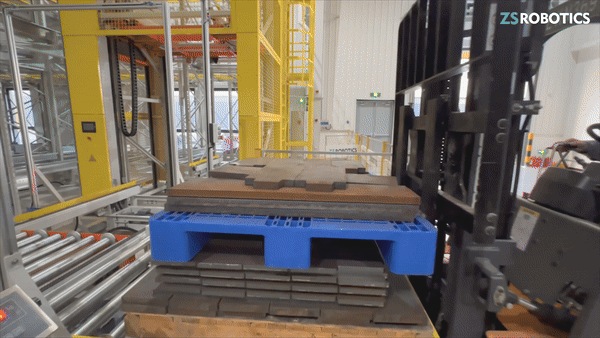
01. Screening for Pallet Deflection
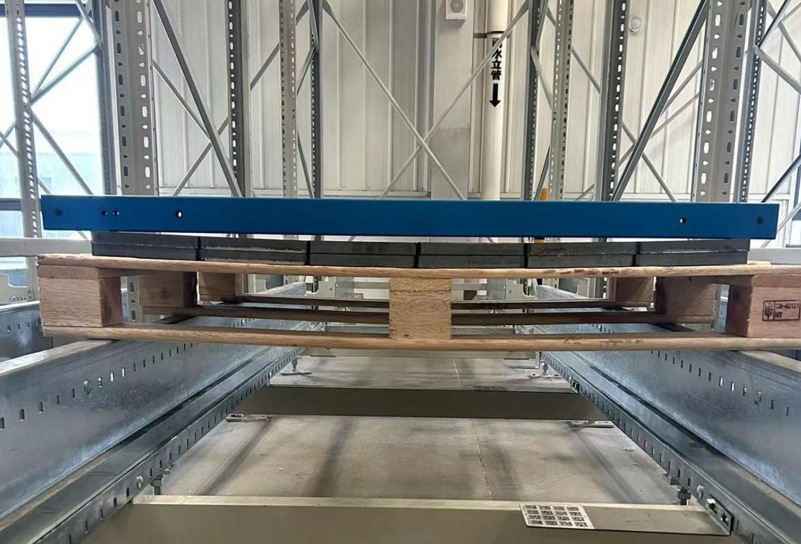
The risk: Pallets that have been in service too long or have quality defects can deform. A bent pallet can break in transit or cause goods to tip over.
The safeguard: A screening device at inbound checks pallet deflection so pallets that do not meet the criteria can be kept out of the automated storage area.
02. Aligning Pallets at the Conveyor Handoff
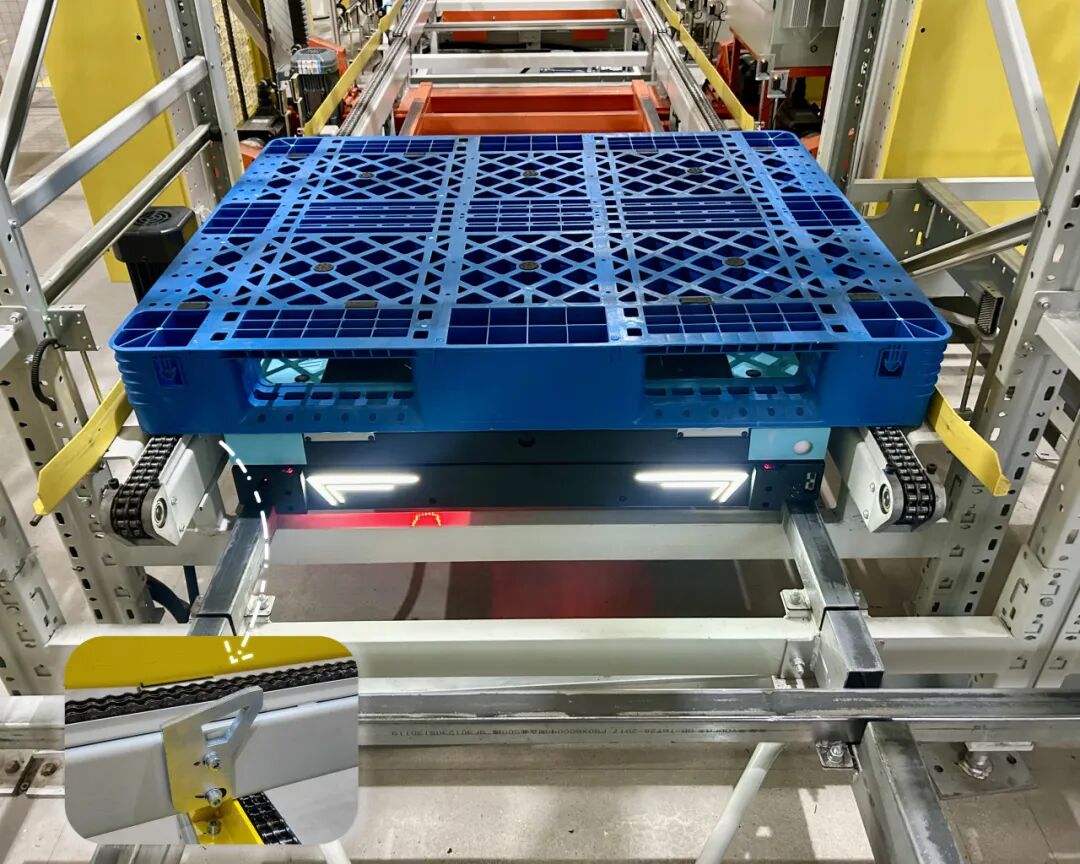
The risk: Differences in load weight or control deviations can cause a pallet to stop out of position on the conveyor. If the pallet and shuttle are then misaligned, the load can strike the rack or trigger an off-center load alarm.
The safeguard: A fixed stop at the end of the inbound transfer conveyor defines the handoff position. It is a low-cost way to align the pallet accurately without interfering with outbound movements.
03. Mechanically Restraining Pallets in Transit
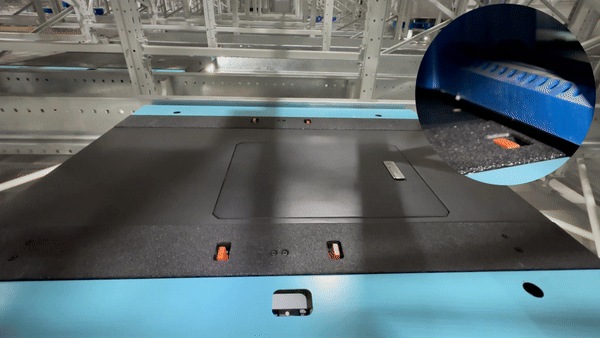
The risk: Frequent relocations, long travel distances or jolts can shift a pallet during automated operation, potentially tipping a load or causing a collision with another pallet.
The safeguard: A mechanical restraint in the middle of the shuttle's lifting plate holds the pallet in position relative to the shuttle during movement.
04. Managing Charging Risk With the Charging Safety Cabinet
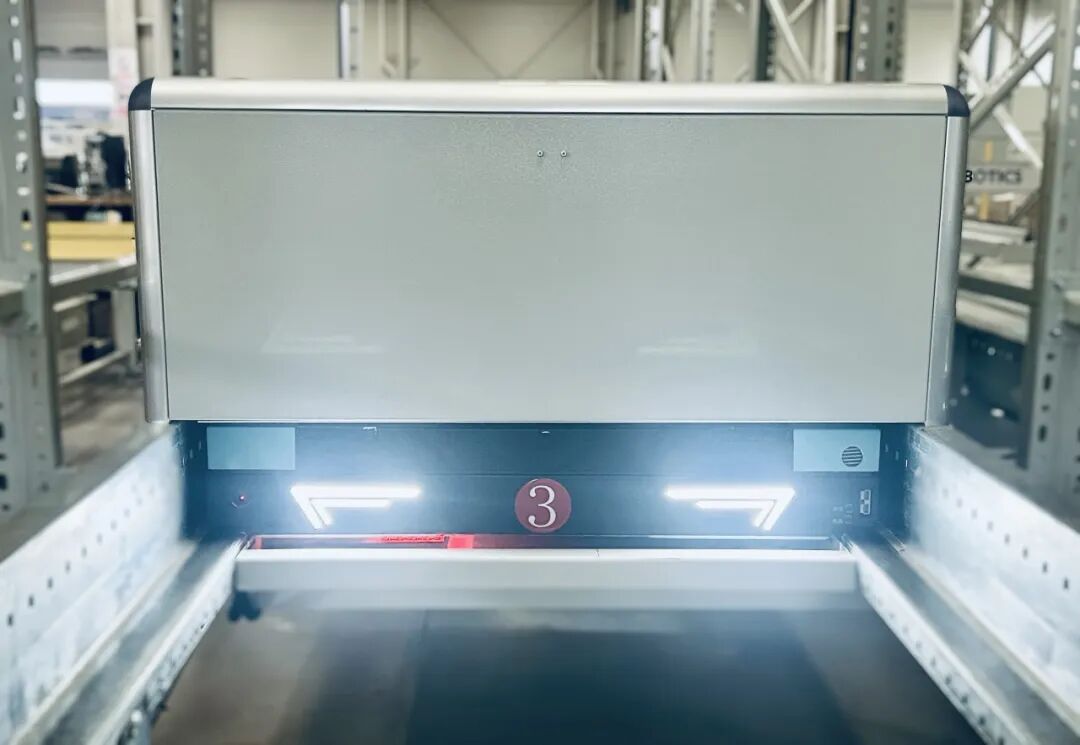
The risk: Under extreme conditions, a lithium battery can experience thermal runaway during charging, creating a fire hazard.
The safeguard: The Charging Safety Cabinet is normally semi-enclosed. If the temperature rises to the cabinet's threshold, the door closes automatically to enclose it fully. An internal fire suppression device also activates automatically at its temperature threshold to address the hazard.
05. Mechanical Interlocking at Lift Transfers
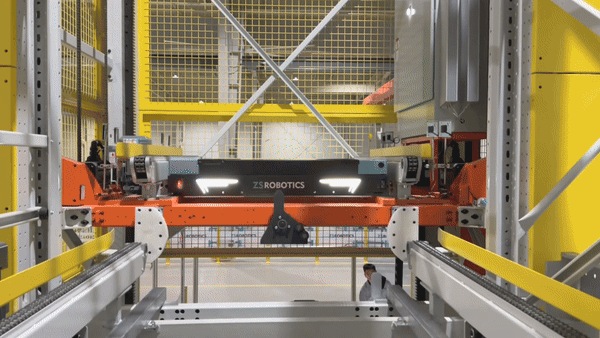
The risk: If the lift platform is not at the correct level, a shuttle could fall through the transfer opening under fault conditions. Electrical or software interlocks can also malfunction.
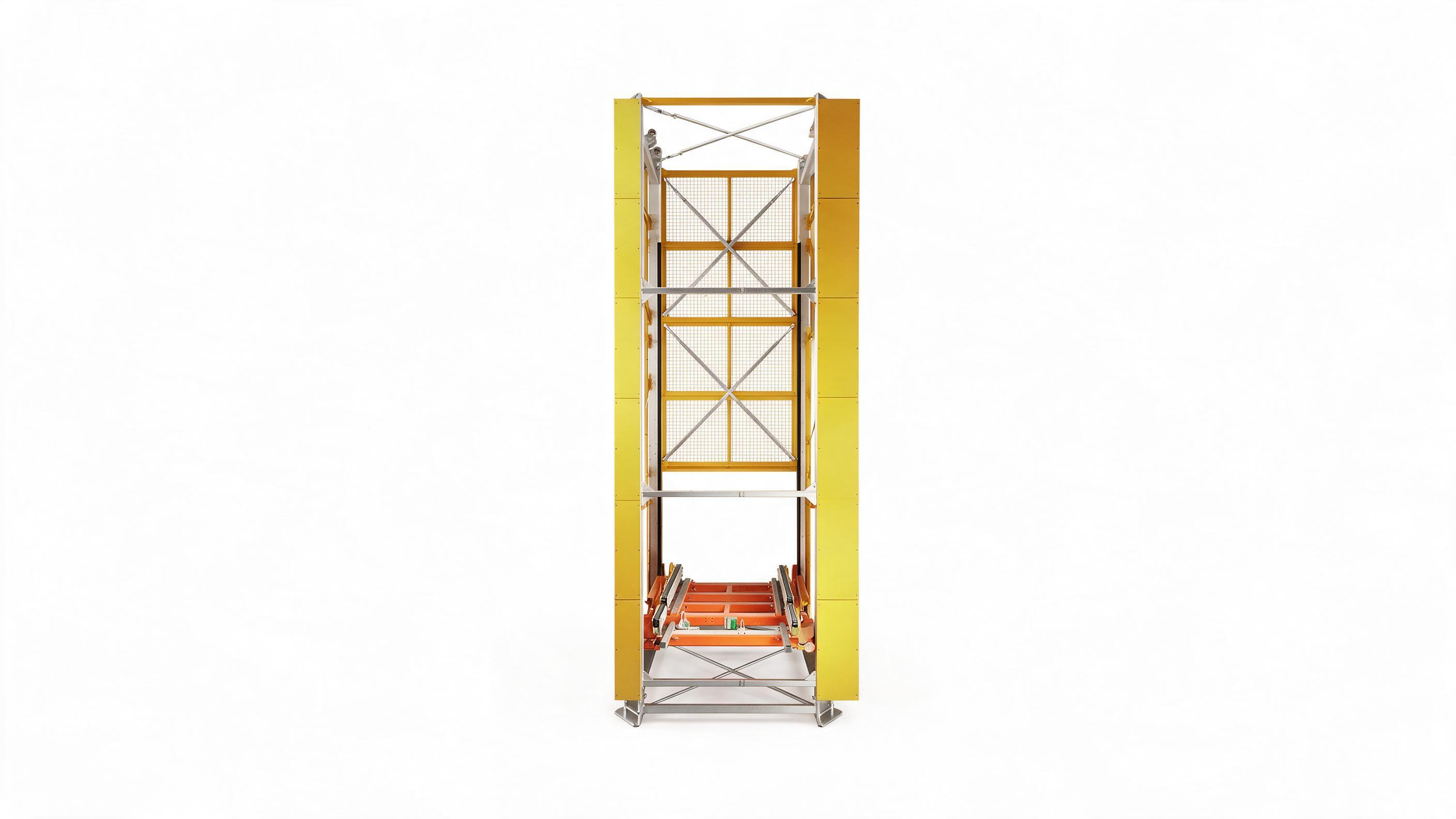
The safeguard: A bidirectional mechanical stop uses the two pieces of equipment as a physical lock and key at the handoff. This makes the safeguard independent of electrical or software interlocks and keeps it straightforward to maintain. Load handoff points also use safeguards designed to prevent goods from falling.
3. Software Safety
In an automated warehouse, safe operation depends on software as well as machinery. ZS Robotics addresses access control, monitoring, data protection and continuity of operation.
Role-based access. The software authenticates users and makes functions available according to their roles and permissions, helping prevent unauthorized operations.
Real-time monitoring and alerts. The system monitors running equipment and can activate audible and visual alarms on the warehouse floor. Software notifications, sound and light give on-site personnel multiple ways to notice an abnormal condition promptly.
Data protection. Software interfaces support HTTPS to encrypt data in transit. Sensitive user data that needs to be retained is also stored in encrypted form.
Disaster recovery and power continuity. A two-server hot standby setup helps keep the software and data available if one server suffers a hardware failure. An uninterruptible power supply (UPS) keeps servers running through short power outages.
Higher storage density and faster operations make safety design more important, not less. At ZS Robotics, that means working through the details of every shuttle and system module so customers can operate their warehouses with confidence. The goal is the same across the system: high-quality equipment that is safe and easy to use.