










TERMINOLOGY
Discover definitions of essential warehouse automation terms, including AS/RS, shuttle systems, and intelligent warehouse technologies.
Automated Storage and Retrieval System (AS/RS)
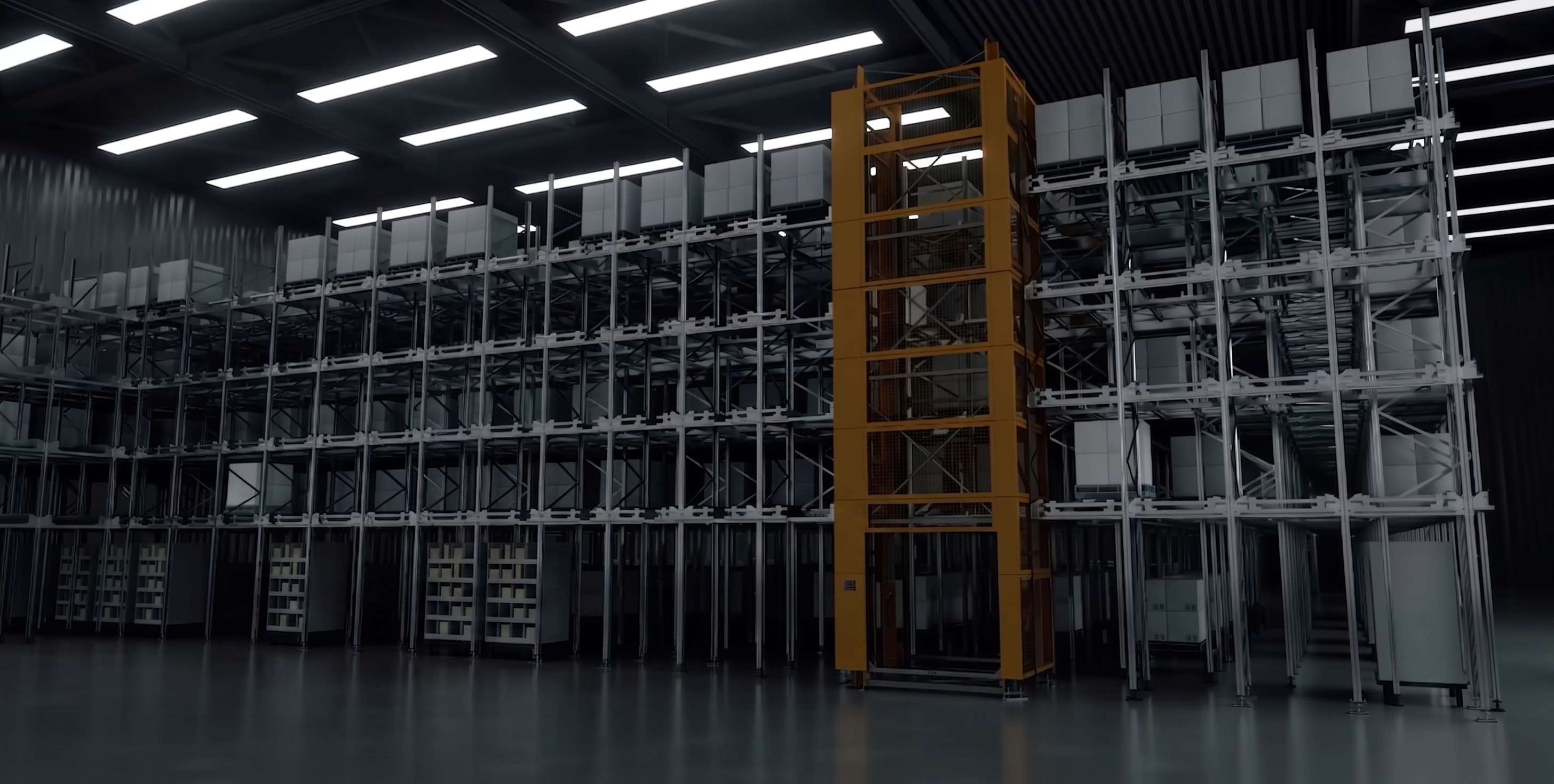
An Automated Storage and Retrieval System (AS/RS) is a warehouse automation solution consisting of high-bay racking, automated storage equipment, conveyors, and control software. It enables automatic storage and retrieval of goods while maximizing storage density and operational efficiency.
Automated Pallet Warehouse
An Automated Pallet Warehouse is a warehouse that uses automation technologies to store, transport, and manage palletized goods with minimal human intervention.
Automated Guided Vehicle (AGV)
An Automated Guided Vehicle (AGV) is a driverless transport vehicle that follows predefined routes to move materials within warehouses, factories, or distribution centers.
Automated Distribution Center
An Automated Distribution Center is a logistics facility that uses automated storage, conveying, sorting, and control systems to streamline material flow. It improves throughput, order fulfillment efficiency, and operational accuracy while reducing labor requirements.
API Integration
API Integration refers to the use of Application Programming Interfaces (APIs) to enable communication and data exchange between different software systems. In warehouse automation, APIs commonly connect WMS, WCS, ERP, and MES platforms to synchronize inventory, orders, and equipment status in real time.
Barcode
A Barcode is a machine-readable representation of data used for inventory control, product identification, and logistics tracking.
Batch Management
Batch Management is the process of identifying, tracking, and managing inventory by production lot, receiving batch, or quality batch to ensure traceability and compliance.
Cold Storage Automation
Cold Storage Automation uses automated equipment and software systems to handle storage, transportation, and inventory management in refrigerated warehouses.
Cold Chain Warehousing
Cold Chain Warehousing refers to the storage and management of temperature-sensitive products in controlled low-temperature environments to preserve quality and safety.
Chain Conveyor
A Chain Conveyor is a material handling device that uses chains as the conveying medium, commonly used for transporting pallets and heavy loads.
Digital Twin
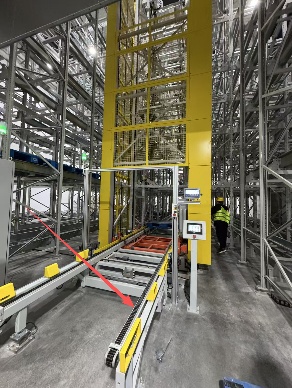
A Digital Twin is a virtual representation of a physical system that enables real-time monitoring, simulation, and optimization.
Dense Storage System
A Dense Storage System maximizes warehouse storage capacity by reducing aisle requirements and utilizing automated storage technologies.
Database Server
A Database Server stores, manages, and processes operational data generated by warehouse systems, supporting applications such as WMS and WCS.
Enterprise Resource Planning (ERP)
Enterprise Resource Planning (ERP) is an integrated software platform used to manage business processes such as procurement, manufacturing, inventory, sales, and finance.
E-commerce Warehousing
E-commerce Warehousing is a storage and fulfillment model designed to support online retail operations, focusing on order processing speed and inventory accuracy.
Four-Way Pallet Shuttle
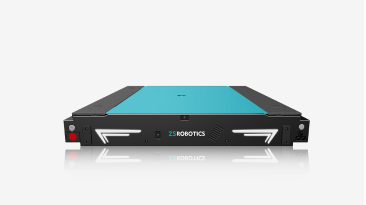
A Four-Way Pallet Shuttle is an automated pallet-handling vehicle capable of moving in four directions within storage lanes. Combined with lifts and warehouse control systems, it enables flexible, high-density pallet storage and retrieval.
Fixed Barcode Reader
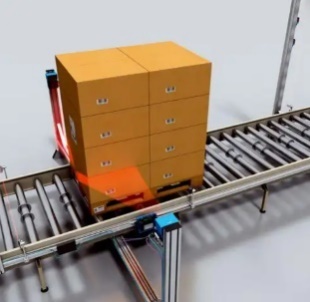
A Fixed Barcode Reader is an automatic identification device installed along conveyors or workstations to capture barcode information and transmit it to warehouse systems.
FIFO (First In, First Out)
FIFO is an inventory management principle in which the earliest received goods are dispatched first, helping maintain product freshness and traceability.
High-Density Pallet Storage
High-Density Pallet Storage is a storage solution designed to maximize pallet capacity within a limited warehouse footprint.
High-Density Storage
High-Density Storage refers to a storage strategy that maximizes the number of goods stored within a given warehouse footprint through optimized layouts and automated storage technologies.
High-Bay Warehouse
A High-Bay Warehouse is a storage facility that uses tall racking structures, typically combined with automated storage and retrieval systems, to maximize vertical storage capacity and warehouse space utilization.
Inventory Visibility
Inventory Visibility provides real-time access to inventory status, location, and quantity across warehouse operations.
Inventory Turnover
Inventory Turnover measures how frequently inventory is sold, consumed, or replenished within a specified period.
Inventory Optimization
Inventory Optimization is the practice of balancing stock levels, inventory structure, and replenishment strategies to improve efficiency and reduce costs.
Inventory Management
Inventory Management is the process of planning, controlling, tracking, and optimizing inventory throughout its lifecycle in a warehouse.
Inventory Accuracy
Inventory Accuracy measures how closely recorded inventory data matches the actual physical inventory within a warehouse.
Intelligent Warehouse Solution
An Intelligent Warehouse Solution integrates automation equipment, software systems, and data intelligence to optimize warehouse operations.
Industrial Internet of Things (IIoT)
The Industrial Internet of Things (IIoT) connects industrial equipment through sensors, networks, and data analytics to improve visibility, maintenance, and operational efficiency.
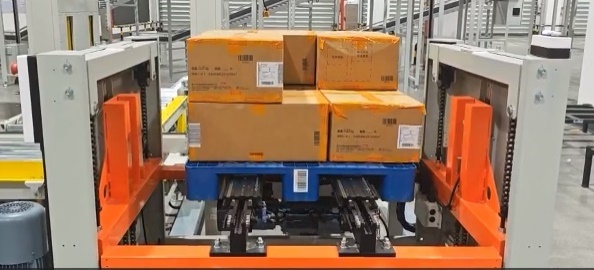
Low-Level Telescopic Fork Lift
A Low-Level Telescopic Fork Lift is a vertical handling device equipped with telescopic forks for pallet storage and retrieval operations.
Logistics Automation
Logistics Automation refers to the application of automated equipment, control systems, and software technologies to streamline material handling and logistics operations.
Lights-Out Warehouse
A Lights-Out Warehouse is a highly automated facility capable of operating with minimal human intervention through robotics and warehouse automation systems.
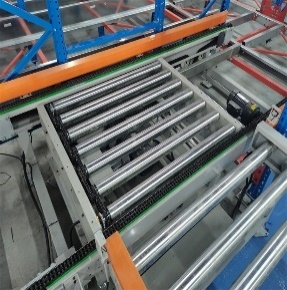
Lift-and-Transfer Conveyor
A Lift-and-Transfer Conveyor is a conveyor device that lifts and transfers loads sideways between different conveyor lines.
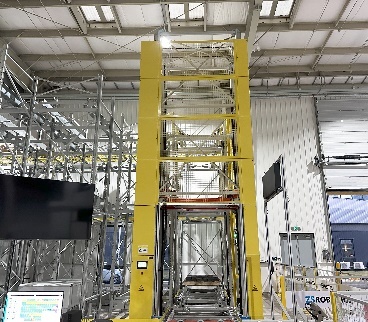
Lift
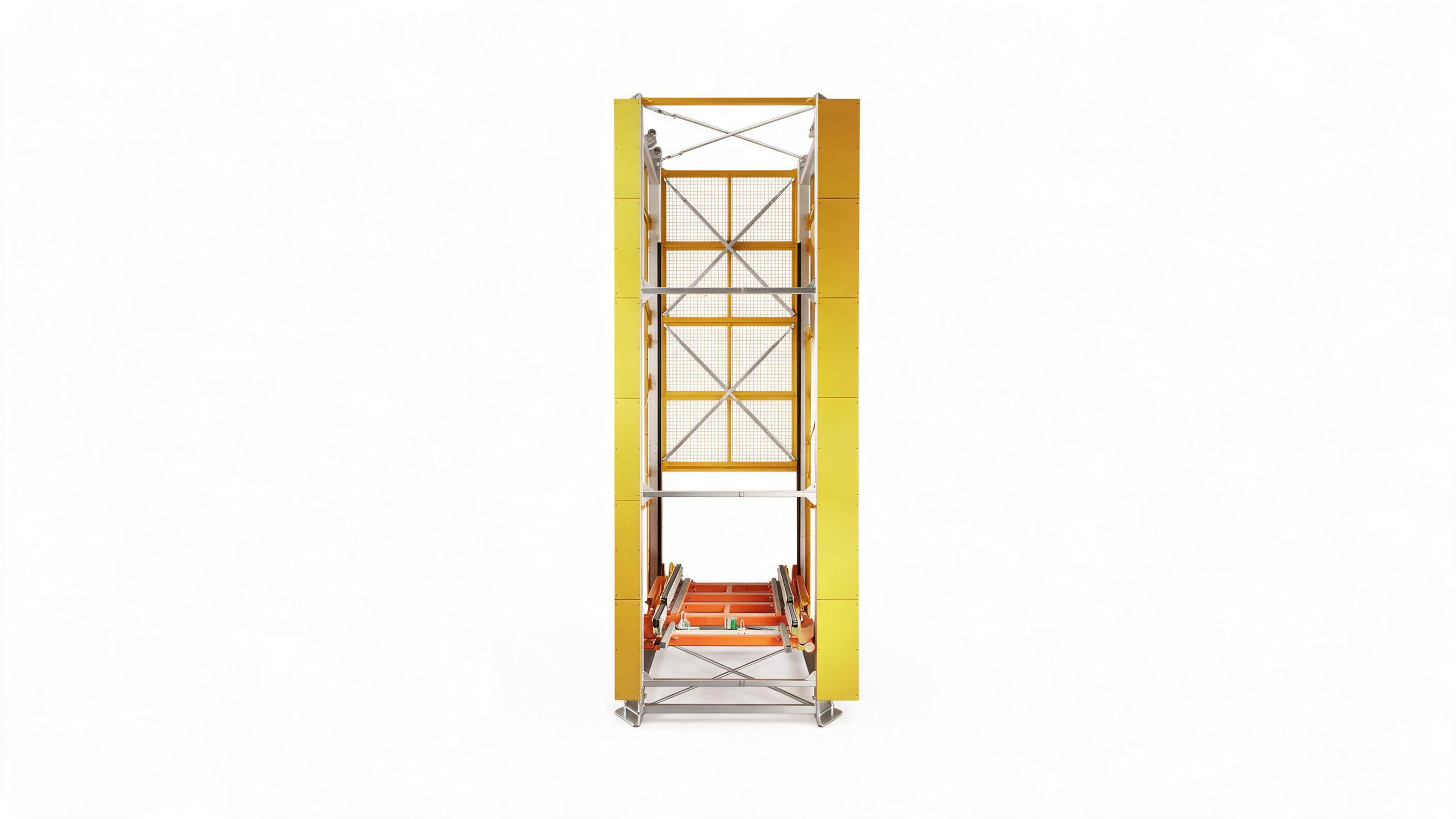
A Lift is an automated vertical transport device used to move pallets or goods between different storage levels within a warehouse.
Multi-Vehicle Scheduling
Multi-Vehicle Scheduling is the process of assigning tasks and optimizing routes for multiple automated vehicles to improve operational efficiency.
Multi-Shuttle Scheduling
Multi-Shuttle Scheduling coordinates multiple shuttle vehicles simultaneously to optimize throughput and resource utilization.
Multi-Robot Coordination
Multi-Robot Coordination refers to the synchronized operation of multiple automated vehicles or robots under a centralized control system to optimize warehouse performance.
Multi-Level Shuttle System
A Multi-Level Shuttle System uses multiple shuttles operating across different rack levels, typically supported by lifts, to increase storage throughput and flexibility.
Material Handling System
A Material Handling System consists of equipment and software used to transport, store, control, and manage materials within a warehouse or manufacturing facility.
Manufacturing Execution System (MES)
A Manufacturing Execution System (MES) is a software platform that monitors, tracks, and controls manufacturing operations between enterprise systems and production processes.
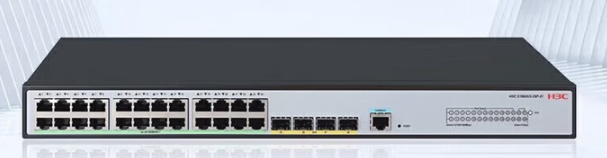
Network Switch
A Network Switch is a networking device that connects computers, controllers, and industrial equipment, enabling data communication across warehouse systems.
Order Processing Capacity
Order Processing Capacity measures the number of customer orders a warehouse can process within a specific period.
Order Fulfillment
Order Fulfillment is the process of receiving, processing, picking, packing, and shipping customer orders.
Picking Efficiency
Picking Efficiency measures the speed and productivity of order picking operations within a warehouse.
Pharmaceutical Warehousing
Pharmaceutical Warehousing involves the storage and management of medicines and healthcare products under strict regulatory, traceability, and environmental requirements.
Peak Handling Capacity
Peak Handling Capacity refers to the maximum workload a warehouse system can process during peak operating periods.
Path Planning
Path Planning is the process of calculating the optimal travel route for automated equipment based on destination, environment, and traffic conditions.
Palletization
Palletization is the practice of grouping goods onto standardized pallets to facilitate storage, transportation, and automated handling.
Pallet Shuttle System
A Pallet Shuttle System combines shuttle vehicles, racking structures, conveyors, and software controls to deliver automated high-density pallet storage.
Pallet Shuttle
A Pallet Shuttle is an automated vehicle that travels within storage lanes to transport pallets efficiently inside racking systems.
Pallet Rotary Transfer Unit
A Pallet Rotary Transfer Unit rotates and transfers pallets between conveyor lines to optimize material flow.
Pallet Racking
Pallet Racking is a storage system designed to hold palletized goods in warehouses and distribution centers.
Pallet Position
A Pallet Position is a designated storage location capable of holding one pallet load within a warehouse.
Pallet Location
A Pallet Location is the smallest storage unit within a warehouse designed to hold a single pallet or load and serve as a reference point for inventory management.
Pallet Flow Automation
Pallet Flow Automation refers to the automated movement and management of pallets throughout warehouse operations.
Pallet Dispenser & Stacker
A Pallet Dispenser & Stacker automatically separates, stacks, and manages empty pallets for efficient pallet handling operations.
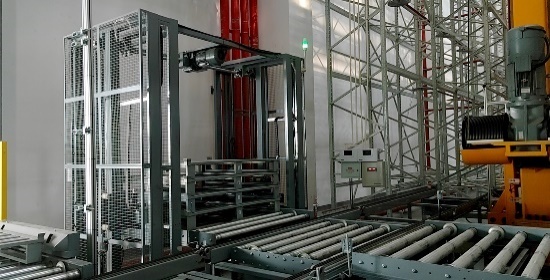
Pallet Conveyor
A Pallet Conveyor is a material handling device specifically designed to transport palletized loads throughout a warehouse.
Pallet Automation
Pallet Automation refers to the use of automated equipment and software to handle pallet storage, transportation, and inventory management.
Pallet AS/RS
Pallet AS/RS is an automated storage and retrieval system specifically designed for palletized goods, combining high-density storage and automated handling technologies.
Roller Conveyor
A Roller Conveyor is a material handling system that uses rollers to transport goods efficiently through warehouses and production facilities.
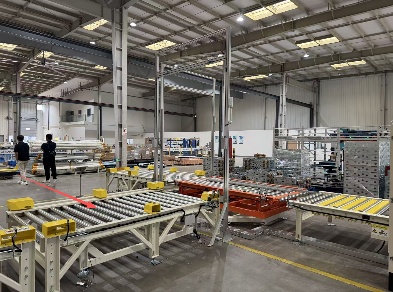
Retail Logistics
Retail Logistics encompasses the planning, storage, transportation, and distribution processes required to move products from suppliers to retail channels.
Real-Time Inventory
Real-Time Inventory refers to inventory information that is continuously updated and immediately available through warehouse management systems.
Rail Docking Mechanism
A Rail Docking Mechanism is a positioning device used to ensure precise alignment between automated equipment and storage lanes for reliable material transfer.
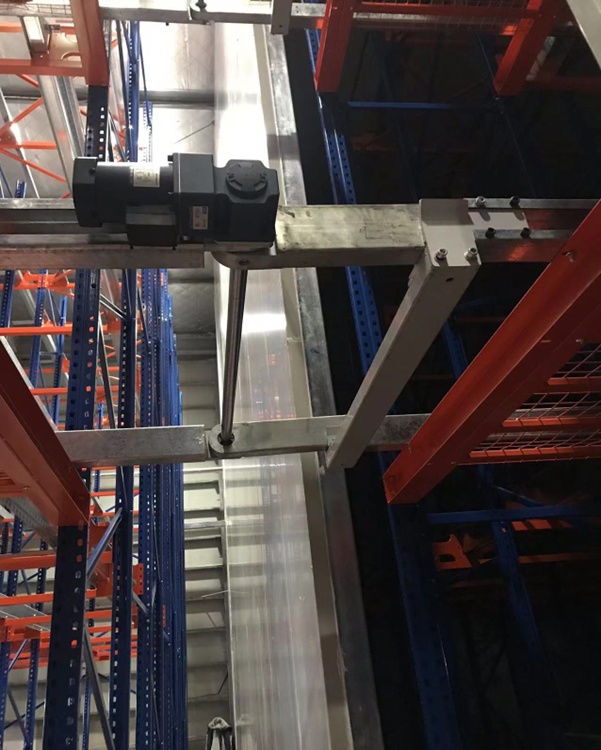
Racking System
A Racking System is a storage structure designed to organize and support goods within a warehouse, enabling efficient storage, retrieval, and inventory management.
Rack Safety Mesh
A Rack Safety Mesh is a protective barrier installed on warehouse racking systems to prevent goods from falling and to improve operational safety in storage areas.
Smart Logistics Solution
A Smart Logistics Solution combines automation technologies, software platforms, and operational expertise to improve logistics efficiency and visibility.
Storage Capacity
Storage Capacity refers to the maximum quantity of goods that can be stored within a warehouse under defined operating conditions.
Smart Scheduling
Smart Scheduling uses algorithms and real-time data to dynamically allocate resources and optimize warehouse operations.
System Integration
System Integration is the process of connecting hardware, software, and control systems into a unified operational platform.
Sub-Aisle
A Sub-Aisle is a secondary storage lane connected to a main aisle, providing access to specific storage locations within a warehouse.
Storage Utilization
Storage Utilization measures how effectively available warehouse storage capacity is being used.
Storage Location
A Storage Location is a uniquely identified position within a warehouse where inventory is stored and managed.
Storage Density
Storage Density measures the amount of inventory that can be stored within a given warehouse footprint or cubic volume.
Smart Warehousing
Smart Warehousing refers to the use of automation, robotics, software systems, and data intelligence to optimize warehouse operations and inventory management.
Smart Intralogistics System
A Smart Intralogistics System integrates automated equipment, software platforms, and data analytics to optimize internal material flow within warehouses and factories.
Shuttle Warehouse
A Shuttle Warehouse is a warehouse that primarily relies on shuttle-based automation technologies for storage and retrieval operations.
Shuttle Storage System
A Shuttle Storage System is an automated storage solution that uses shuttle vehicles to move goods within racking systems for efficient storage and retrieval.
Shuttle Scheduling System
A Shuttle Scheduling System manages and coordinates shuttle vehicle movements, task assignments, and traffic control within an automated warehouse.
Shuttle Racking
Shuttle Racking is a high-density storage solution that combines specialized racking structures with shuttle vehicles to maximize storage capacity and operational efficiency.
Scheduling System
A Scheduling System is software used to allocate tasks, coordinate resources, and optimize workflow execution within warehouse operations.
Safety Stock
Safety Stock is the additional inventory maintained to protect against unexpected demand fluctuations or supply chain disruptions.
Transportation Management
Transportation Management refers to the planning, execution, and optimization of goods movement within logistics operations.
Task Allocation
Task Allocation is the process of assigning warehouse tasks to specific equipment, robots, or operators to maximize efficiency.
Telescopic Fork
A Telescopic Fork is an extendable load-handling mechanism designed to retrieve or place pallets within storage systems.
Transfer Conveyor
A Transfer Conveyor is a conveying device used to transfer loads between different conveyor lines or transportation directions.
Traceability
Traceability is the ability to track and trace the history, location, and movement of products throughout the supply chain.
Throughput
Throughput measures the volume of goods, pallets, or orders that a warehouse can process within a given period of time.
Third-Party Logistics (3PL)
Third-Party Logistics (3PL) refers to outsourced logistics services that may include warehousing, transportation, inventory management, and order fulfillment on behalf of customers.
Unit Load
A Unit Load is a collection of items grouped together and handled as a single unit during storage and transportation.
UPS (Uninterruptible Power Supply)
A UPS provides temporary backup power to critical equipment during electrical outages, ensuring uninterrupted system operation.
Visualization Platform
A Visualization Platform presents warehouse data, equipment status, and operational metrics through graphical dashboards and interfaces.
Vertical Storage
Vertical Storage is a warehouse storage strategy that maximizes the use of vertical space to increase storage capacity.
Vertical Lift System
A Vertical Lift System is an automated solution used to move goods vertically between different warehouse levels or storage elevations.
Warehouse Throughput Efficiency
Warehouse Throughput Efficiency measures how effectively a warehouse converts available resources into completed storage, handling, and shipping operations.
Workstation
A Workstation is a designated operating area where warehouse personnel perform tasks such as inspection, packing, labeling, or order processing.
Wireless Access Point (Wireless AP)
A Wireless Access Point provides wireless network connectivity for warehouse devices, equipment, and information systems.
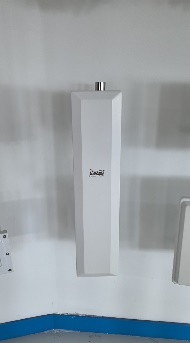
Weighing Module
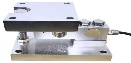
A Weighing Module is a device used to measure the weight of goods and transmit weight data to warehouse management systems.
Warehouse of the Future
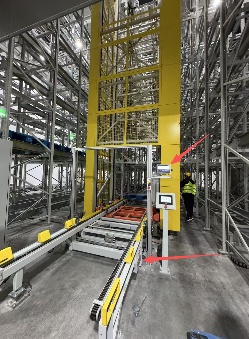
The Warehouse of the Future is a vision of highly connected, intelligent, and automated warehouse operations powered by robotics, AI, and data analytics.
Warehouse Digitalization
Warehouse Digitalization is the transformation of warehouse operations through digital technologies, data integration, and intelligent management systems.
Warehouse Optimization
Warehouse Optimization involves improving warehouse layout, processes, technologies, and resource utilization to maximize operational performance.
Warehouse Modernization
Warehouse Modernization is the process of upgrading warehouse infrastructure, technology, and operations to improve efficiency and competitiveness.
Warehouse Management System (WMS)
A Warehouse Management System (WMS) is software used to manage inventory, storage locations, inbound operations, outbound operations, and warehouse workflows.
Warehouse Execution System (WES)
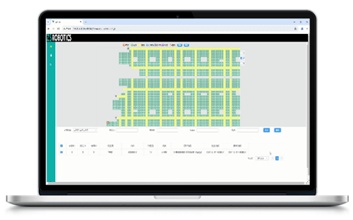
A Warehouse Execution System (WES) bridges warehouse management and equipment control systems, optimizing workflow execution and resource utilization.
Warehouse Control System (WCS)
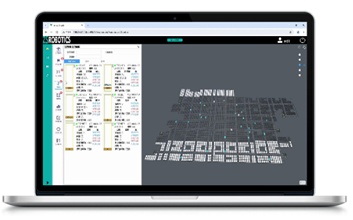
A Warehouse Control System (WCS) is software that manages and coordinates automated equipment such as conveyors, lifts, and shuttle systems in real time.
Warehouse Capacity
Warehouse Capacity is the maximum quantity of goods that a warehouse can safely store and process under normal operating conditions.
Warehouse Automation
Warehouse Automation refers to the use of automated equipment, robotics, and software systems to perform warehouse operations with minimal manual intervention.
XYZ Coordinate Positioning
XYZ Coordinate Positioning refers to a positioning method that determines the exact location of goods or equipment using three-dimensional coordinates within a warehouse environment.
Yard Management
Yard Management is the process of coordinating trailers, trucks, containers, and goods movements within the yard area of a warehouse or distribution center.
Zone Storage
Zone Storage is a storage strategy that groups products based on category, turnover rate, or operational requirements within designated warehouse zones.
Zone Picking
Zone Picking is an order picking strategy in which warehouse operators or systems are assigned to specific zones to improve picking efficiency.
