









ENCYCLOPEDIA
Your guide to warehouse automation knowledge, technologies, and industry insights.
Why Choose ZS ROBOTICS Four-Way Shuttle AS/RS?
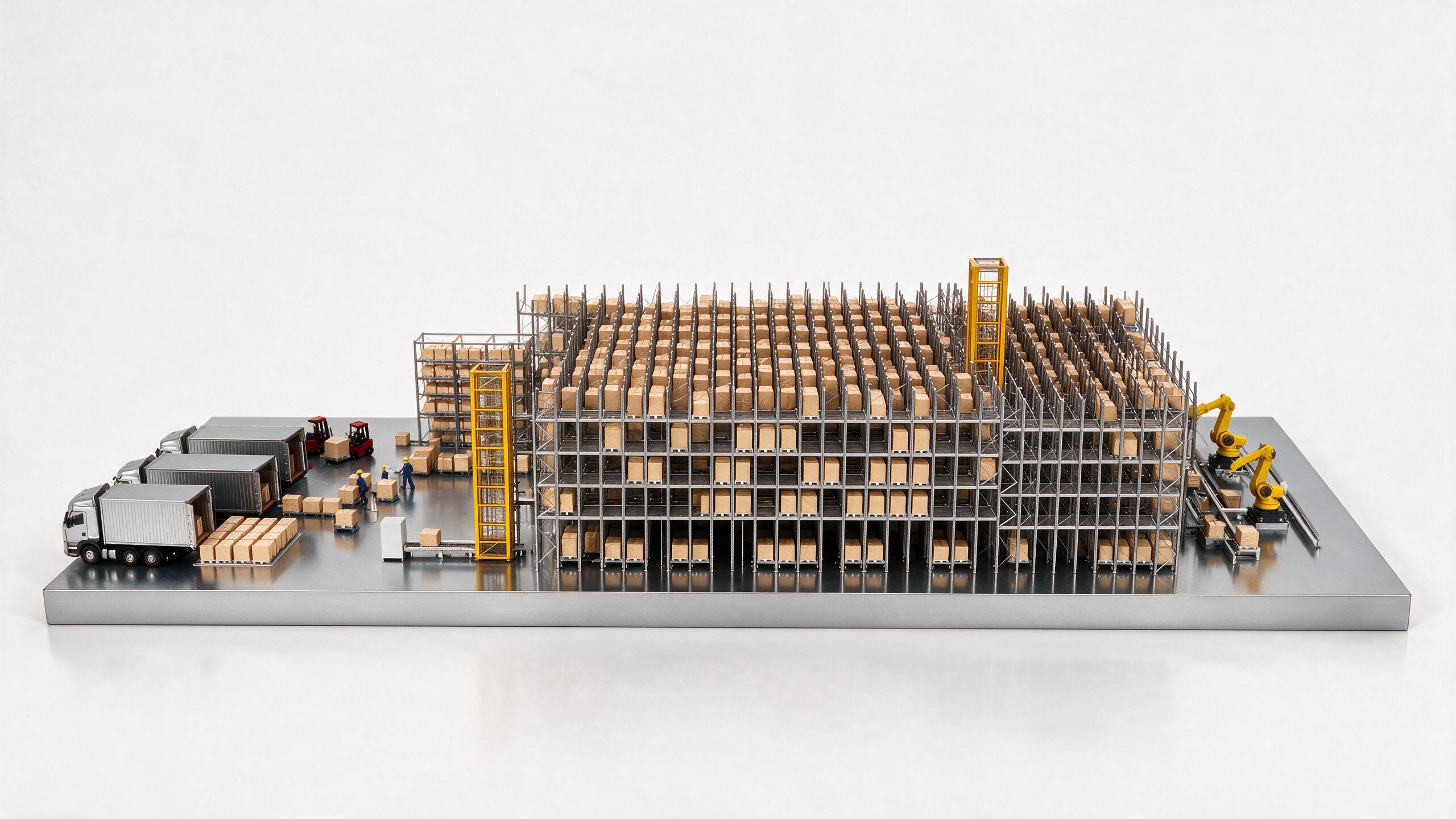
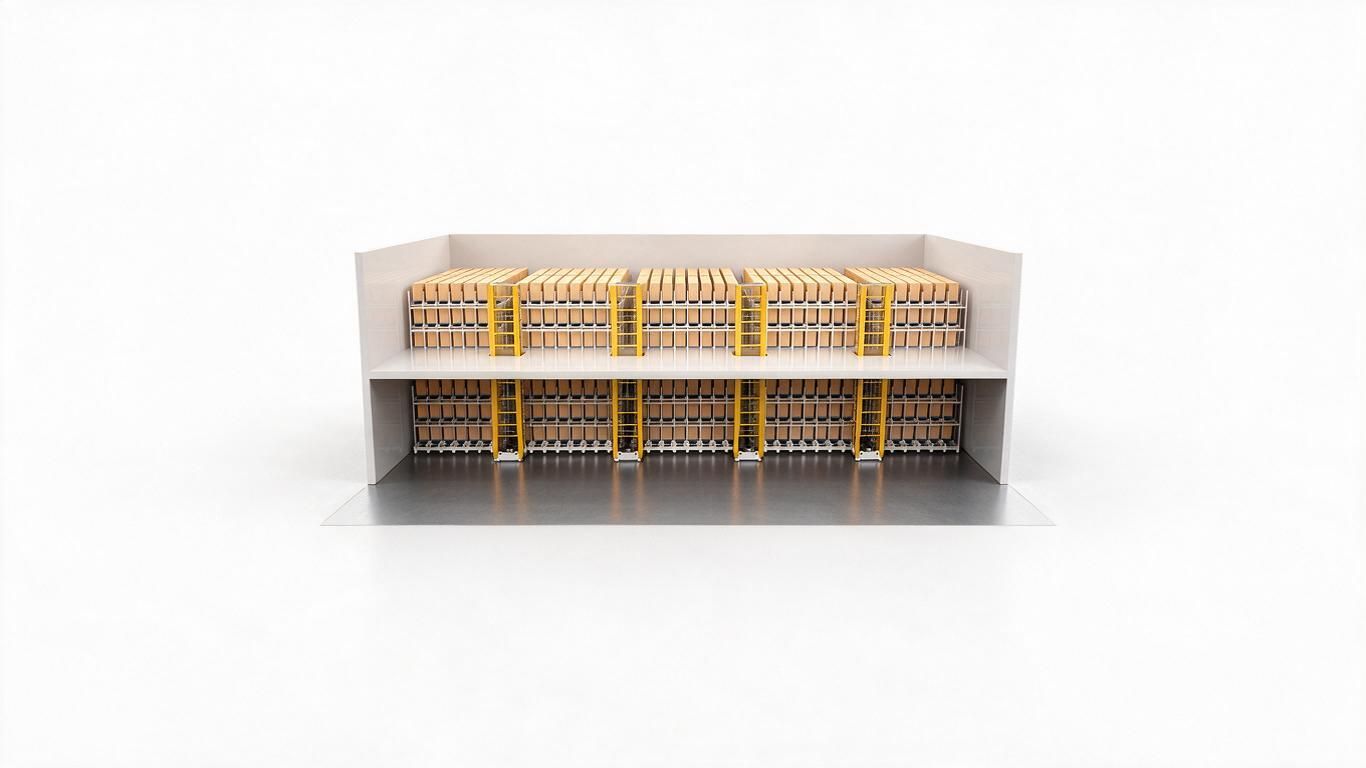
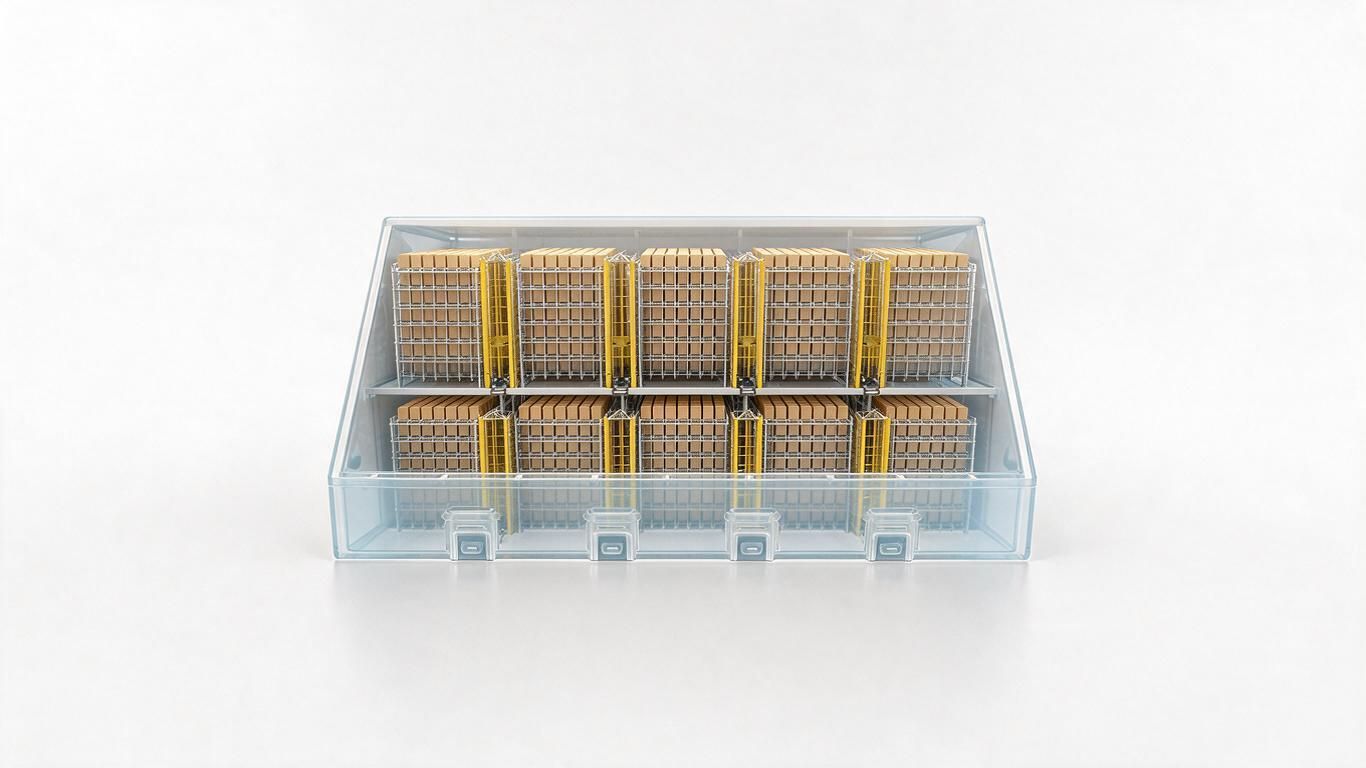
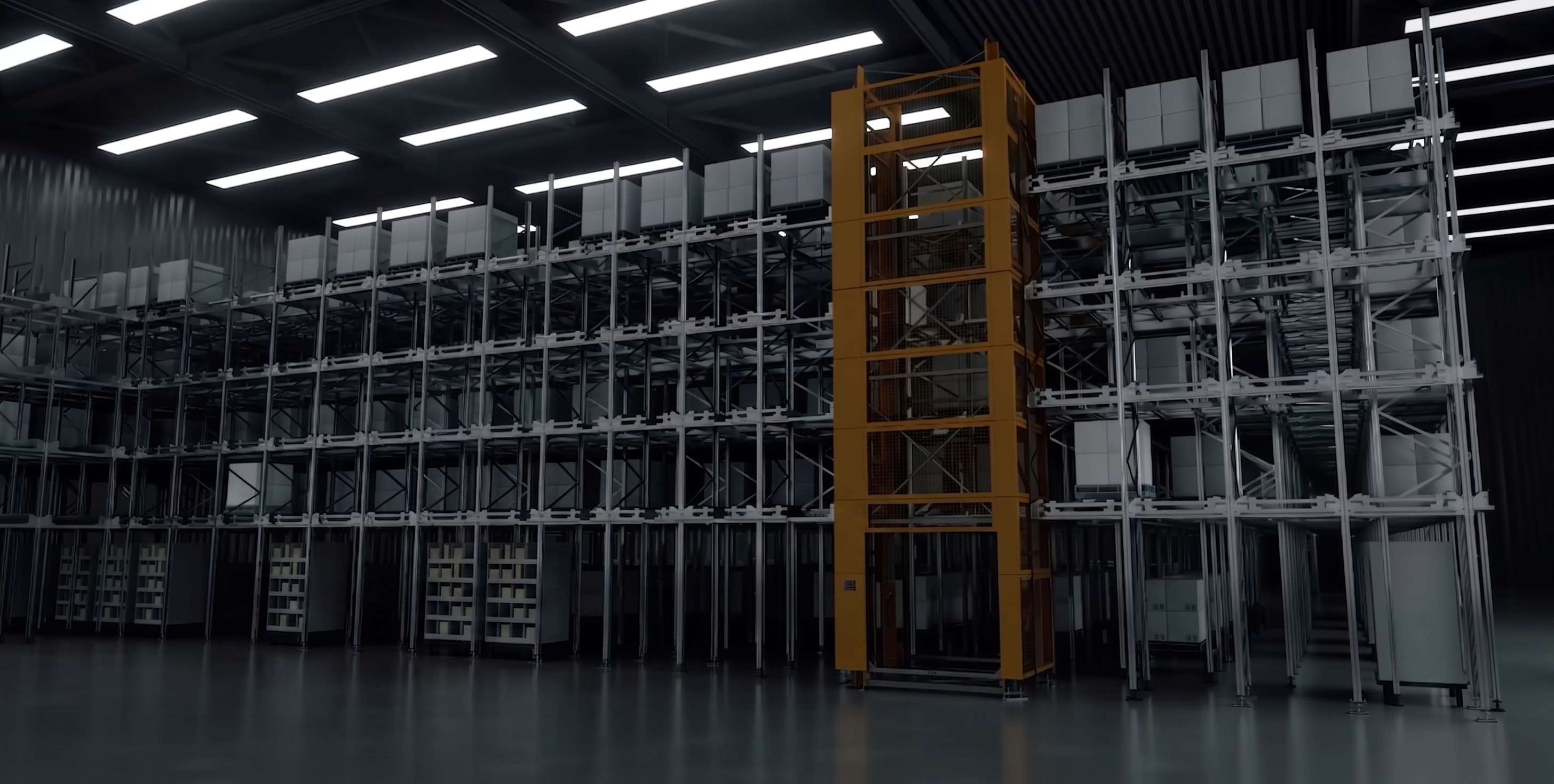
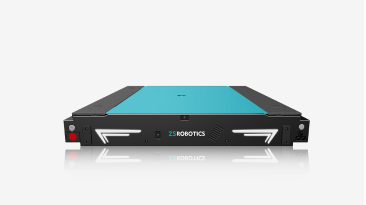
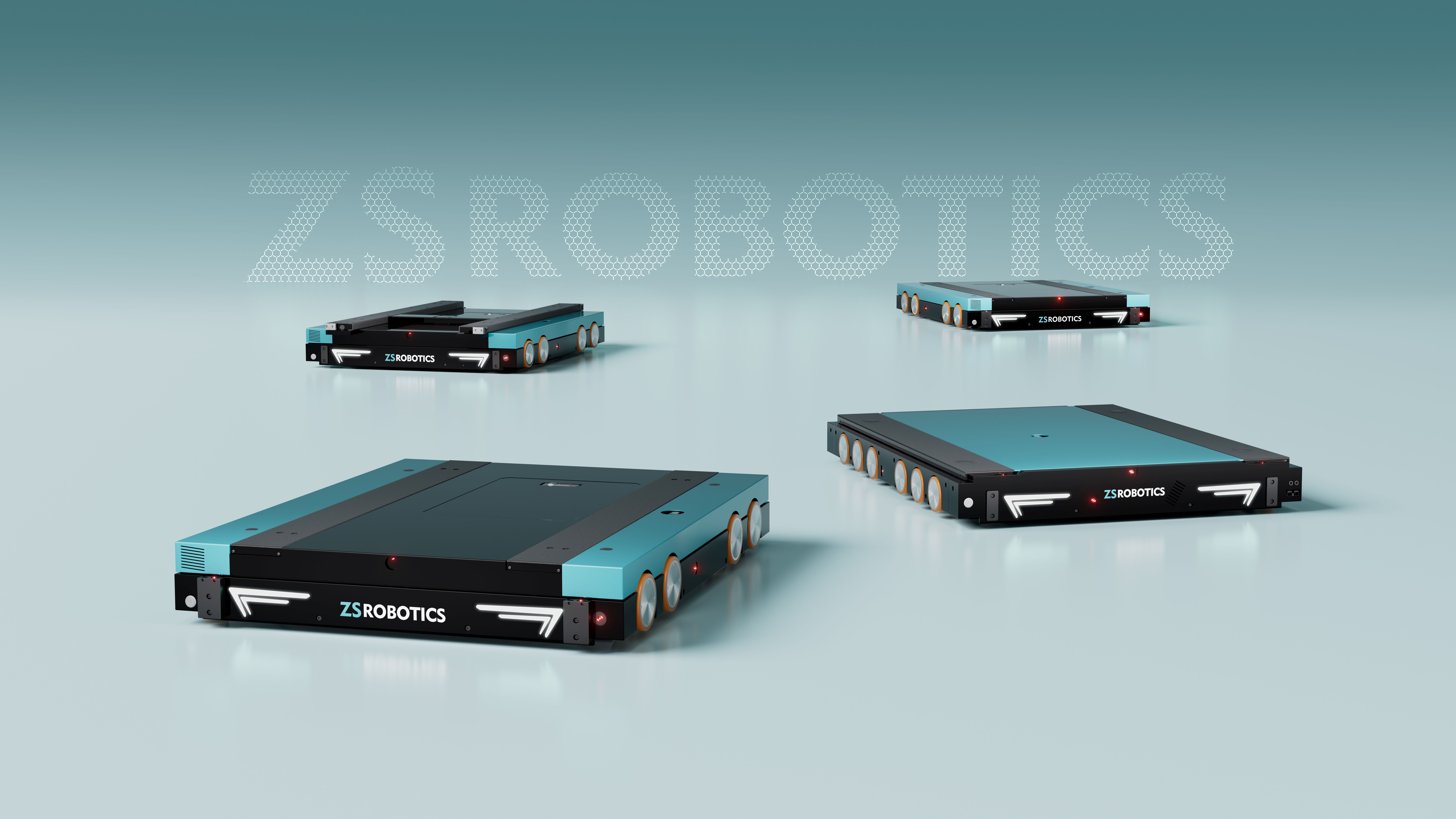
The ZS ROBOTICS four-way shuttle AS/RS solution provides a flexible and scalable approach for modern high-density pallet storage.
Key advantages include:
✓ Flexible system expansion
✓ Higher warehouse space utilization
✓ Intelligent multi-robot resource allocation
✓ Independent fault recovery capability
✓ Lower total cost of ownership
By combining advanced shuttle robot technology, intelligent WCS scheduling, and modular system design, ZS ROBOTICS helps customers build reliable, efficient, and future-ready automated warehouses.
Four-Way Shuttle Robot vs. Traditional Stacker Crane System
1. Scalability
Four-Way Shuttle AS/RS
The system provides flexible scalability by adjusting the number of shuttle robots according to throughput requirements.
Additional shuttle robots can be deployed to support future capacity growth, allowing the system to adapt to changing operational demands.
Traditional Stacker Crane System
The system capacity is influenced by factors such as the number of stacker cranes, aisle configuration, and overall system design.
Future expansion may require additional equipment and infrastructure planning based on warehouse development needs.
2. Space Utilization
Four-Way Shuttle AS/RS
The system supports:
Deep-lane storage
High-density pallet storage
Flexible warehouse layouts
By utilizing multi-depth storage and compact lifting solutions, the system helps maximize available warehouse space and improve storage density.
Traditional Stacker Crane System
Traditional stacker crane systems are commonly designed around fixed aisle-based storage configurations.
Storage density depends on factors including:
Equipment design
Aisle configuration
Storage strategy
Warehouse requirements
The optimal storage solution should be selected according to specific application conditions.
3. Resource Allocation
Four-Way Shuttle AS/RS
Multiple shuttle robots can share warehouse tasks through intelligent WCS scheduling.
This enables:
Dynamic workload balancing
Improved equipment utilization
Flexible operation strategies
The system can allocate resources according to task priority, robot availability, and operational requirements.
Traditional Stacker Crane System
Each stacker crane typically operates within a designated aisle configuration.
Resource allocation is structured around the system layout and requires careful planning to balance workload distribution across different storage areas.
4. Fault Recovery
Four-Way Shuttle AS/RS
Each shuttle robot operates independently.
If one robot requires maintenance:
The affected robot can be temporarily removed from operation.
Other shuttle robots can continue assigned warehouse tasks.
System operation can be maintained through intelligent scheduling.
This independent architecture improves operational flexibility and system availability.
Traditional Stacker Crane System
The impact of equipment maintenance depends on the system architecture and aisle configuration.
Maintenance activities involving a stacker crane may temporarily affect access to the corresponding storage area.
Proper system planning and maintenance strategies help ensure reliable operation.
5. Total Cost of Ownership (TCO)
Four-Way Shuttle AS/RS
The modular design provides advantages through:
Flexible deployment
Scalable system configuration
Efficient warehouse operation
Convenient maintenance planning
Traditional Stacker Crane System
The overall investment and operating costs depend on factors including:
System configuration
Warehouse requirements
Throughput targets
Infrastructure planning
The optimal solution should be selected based on specific application scenarios and long-term operational objectives.
Four-Way Shuttle Robot vs. Stacker Crane + Shuttle System
1. Scalability
Four-Way Shuttle AS/RS
The system provides flexible scalability by adjusting the number of shuttle robots according to throughput requirements.
Additional shuttle robots can be deployed to support future capacity growth, allowing the system to adapt to changing operational demands.
Traditional Stacker Crane System
The system capacity is influenced by factors such as the number of stacker cranes, aisle configuration, and overall system design.
Future expansion may require additional equipment and infrastructure planning based on warehouse development needs.
2. Space Utilization
Four-Way Shuttle AS/RS
The system supports:
Deep-lane storage
High-density pallet storage
Flexible warehouse layouts
By utilizing multi-depth storage and compact lifting solutions, the system helps maximize available warehouse space and improve storage density.
Traditional Stacker Crane System
Traditional stacker crane systems are commonly designed around fixed aisle-based storage configurations.
Storage density depends on factors including:
Equipment design
Aisle configuration
Storage strategy
Warehouse requirements
The optimal storage solution should be selected based on specific application conditions.
3. Resource Allocation
Four-Way Shuttle AS/RS
Multiple shuttle robots can share warehouse tasks through intelligent WCS scheduling.
This enables:
Dynamic workload balancing
Improved equipment utilization
Flexible operation strategies
The system can allocate resources according to task priority, robot availability, and operational requirements.
Traditional Stacker Crane System
Each stacker crane typically operates within a designated aisle configuration.
Resource allocation is structured around the system layout and requires careful planning to balance workload distribution across different storage areas.
4. Fault Recovery
Four-Way Shuttle AS/RS
Each shuttle robot operates independently.
If one robot requires maintenance:
The affected robot can be temporarily removed from operation.
Other shuttle robots can continue assigned warehouse tasks.
System operation can be maintained through intelligent scheduling.
This independent architecture improves operational flexibility and system availability.
Traditional Stacker Crane System
The impact of equipment maintenance depends on the system architecture and aisle configuration.
Maintenance activities involving a stacker crane may temporarily affect access to the corresponding storage area.
Proper system planning and maintenance strategies help ensure reliable operation.
5. Total Cost of Ownership (TCO)
Four-Way Shuttle AS/RS
The modular design provides advantages through:
Flexible deployment
Scalable system configuration
Efficient warehouse operation
Convenient maintenance planning
Traditional Stacker Crane System
The overall investment and operating costs depend on factors including:
System configuration
Warehouse requirements
Throughput targets
Infrastructure planning
The optimal solution should be selected based on specific application scenarios and long-term operational objectives.
Four-Way Shuttle Robot vs. Mother-Child Shuttle System
1. Scalability
Four-Way Shuttle AS/RS
The number of four-way shuttle robots can be flexibly configured according to warehouse throughput requirements.
System capacity can be expanded by adding additional shuttle robots, allowing the system to scale according to future operational needs without significant changes to the overall warehouse structure.
Overall system performance is determined by multiple factors, including lift configuration, shuttle robot quantity, storage layout, and operational strategy.
Mother-Child Shuttle System
The throughput performance of a mother-child shuttle system depends on the overall system configuration, including the number of mother shuttle vehicles, shuttle carts, and dedicated travel paths.
Future expansion may involve:
Additional mother shuttle lanes
Equipment adjustments
Control system optimization
The expansion approach depends on warehouse layout, throughput requirements, and project objectives.
2. Space Utilization
Four-Way Shuttle AS/RS
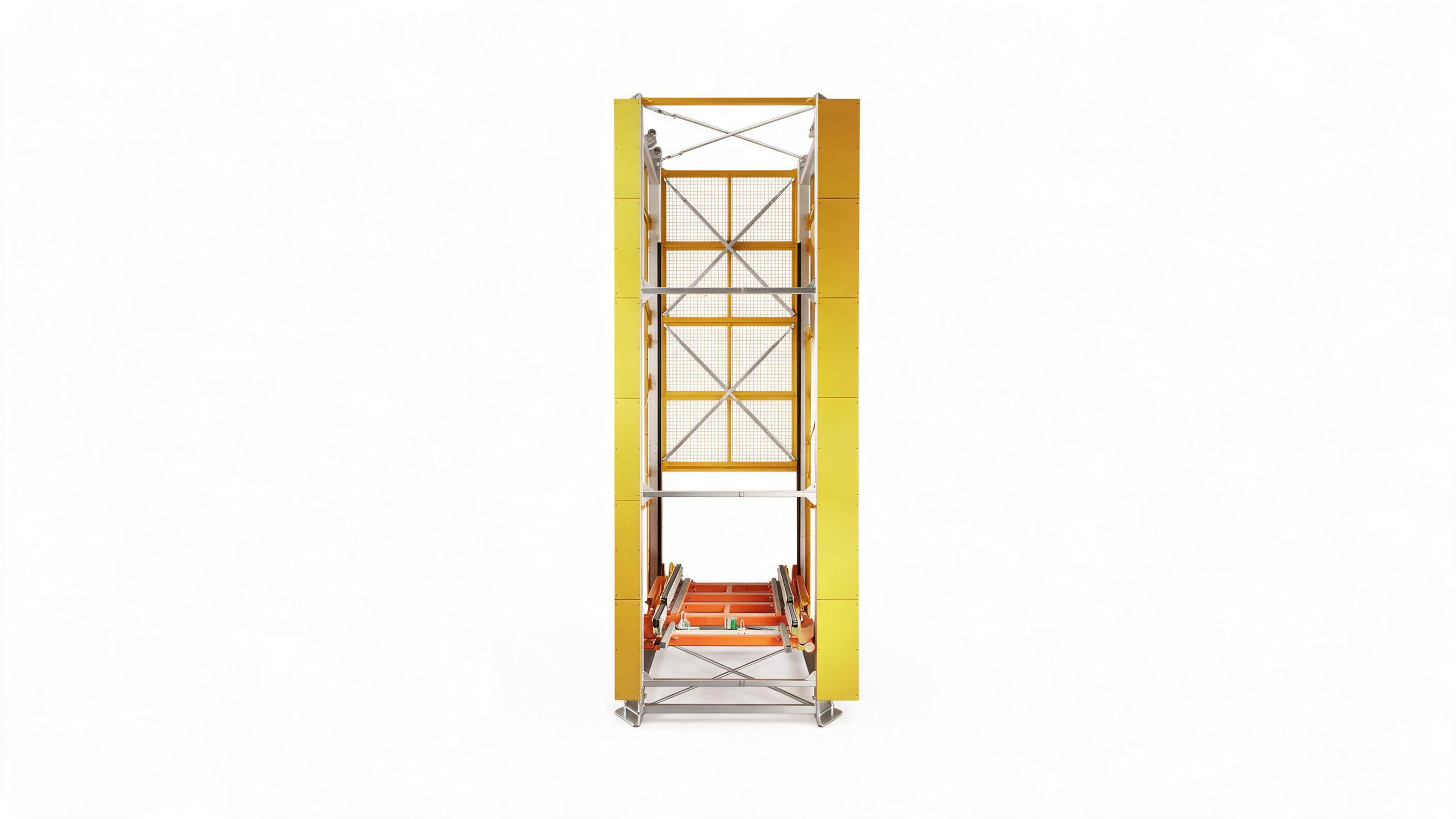
The four-way shuttle robot requires only the necessary rack height allowance for equipment installation.
By using compact lifts for level changes, the system supports:
High-density storage
Flexible storage depth planning
Efficient warehouse space utilization
Storage depth can be optimized based on SKU quantity, inventory characteristics, and operational requirements.
Mother-Child Shuttle System
Mother-child shuttle systems can also support dense storage applications.
Storage depth planning is closely related to mother shuttle aisle configuration and overall system layout.
Depending on storage requirements, optimizing storage depth may involve considerations such as:
Mother shuttle aisle planning
Equipment configuration
Storage strategy
The optimal design depends on warehouse conditions and operational goals.
3. Resource Allocation
Four-Way Shuttle AS/RS
The system supports flexible task allocation and intelligent resource coordination through WCS scheduling.
Available shuttle robots can be dynamically assigned according to task requirements, helping improve equipment utilization.
The system can support various warehouse operation strategies, including:
FIFO (First In, First Out)
LIFO (Last In, First Out)
Mother-Child Shuttle System
Mother-child shuttle systems typically operate based on predefined travel paths and equipment configurations.
For warehouses with multiple operational areas, resource allocation requires careful planning to balance throughput requirements and equipment utilization.
System performance depends on:
Warehouse layout
Equipment configuration
Scheduling strategy
4. Fault Recovery
Four-Way Shuttle AS/RS
Each four-way shuttle robot operates independently.
If one shuttle robot requires maintenance:
The affected robot can be removed from operation.
Other shuttle robots can continue performing assigned warehouse tasks.
Overall system operation can be maintained through intelligent scheduling.
This independent robot architecture helps improve system availability and operational flexibility.
Mother-Child Shuttle System
The impact of equipment maintenance depends on the specific system architecture and redundancy design.
In some configurations, maintenance of a mother shuttle vehicle may affect the storage area served by that equipment.
System availability can be improved through appropriate system planning and maintenance strategies.
5. Total Cost of Ownership (TCO)
Four-Way Shuttle AS/RS
The modular design of the four-way shuttle system allows equipment quantity to be configured according to actual throughput requirements.
Key advantages include:
Flexible system expansion
Optimized equipment configuration
Efficient warehouse operation
Convenient maintenance planning
Mother-Child Shuttle System
Mother-child shuttle systems also provide modular deployment options.
Overall investment and operating costs depend on factors including:
System configuration
Storage requirements
Throughput targets
Warehouse layout
The optimal solution should be selected based on specific application requirements and long-term operational objectives.
