







35 Four-Way Pallet Shuttles Help a Footwear and Apparel Customer Build a Lights-Out Warehouse
News
2024/02/26
ZS Robotics




1. Project Background
After the pandemic, consumers' shopping habits changed and they began to buy across more channels. Traditional retailers accelerated their move from physical stores toward e-commerce, bringing new challenges as the sector digitized faster.
The customer was growing quickly and adapting to more personalized demand and changing sales channels. It built its first intelligent logistics warehouse to automate and digitize operations and provide a faster, better customer experience.
ZS Robotics delivered a four-way shuttle high-density storage system to give the customer more control over how space and warehouse resources were allocated, improve operating efficiency and help create a lights-out warehouse.
2. Project Solution
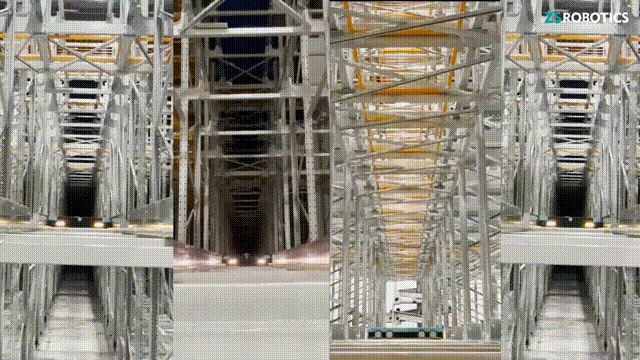
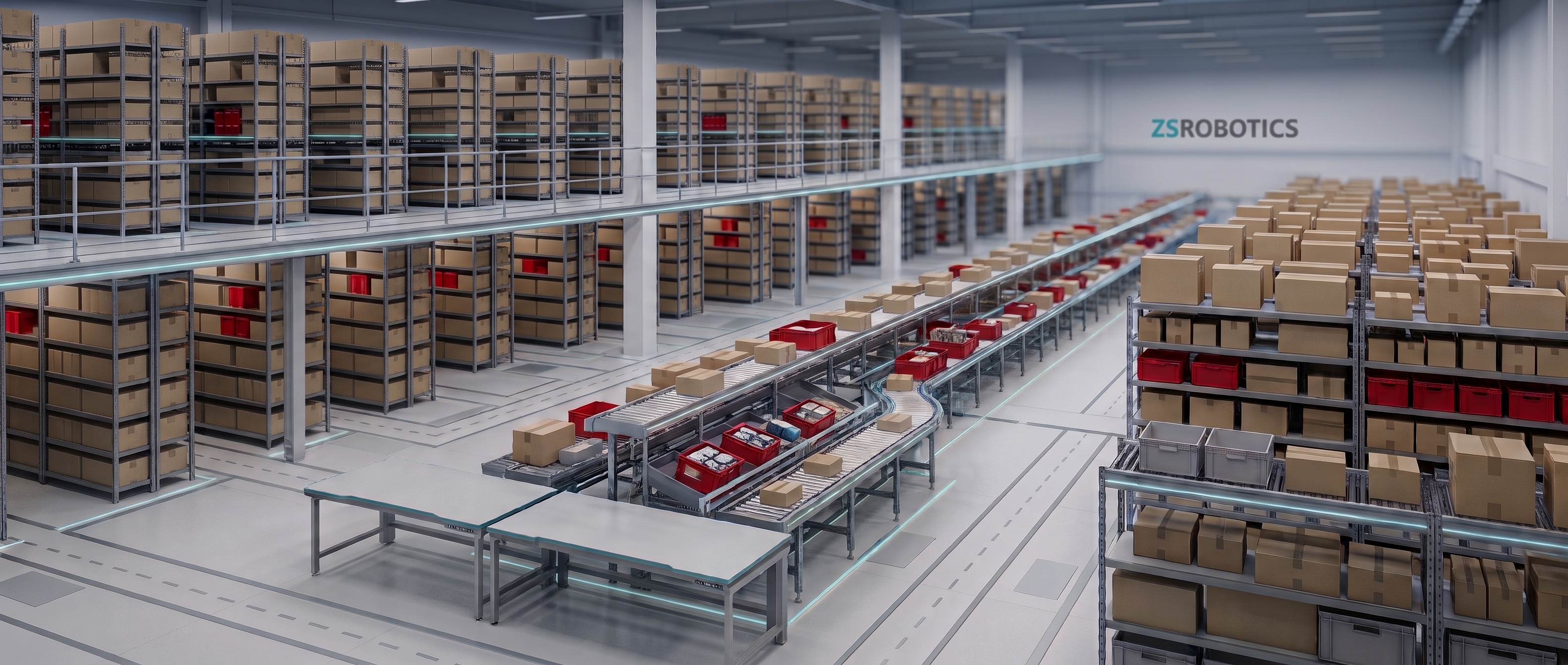
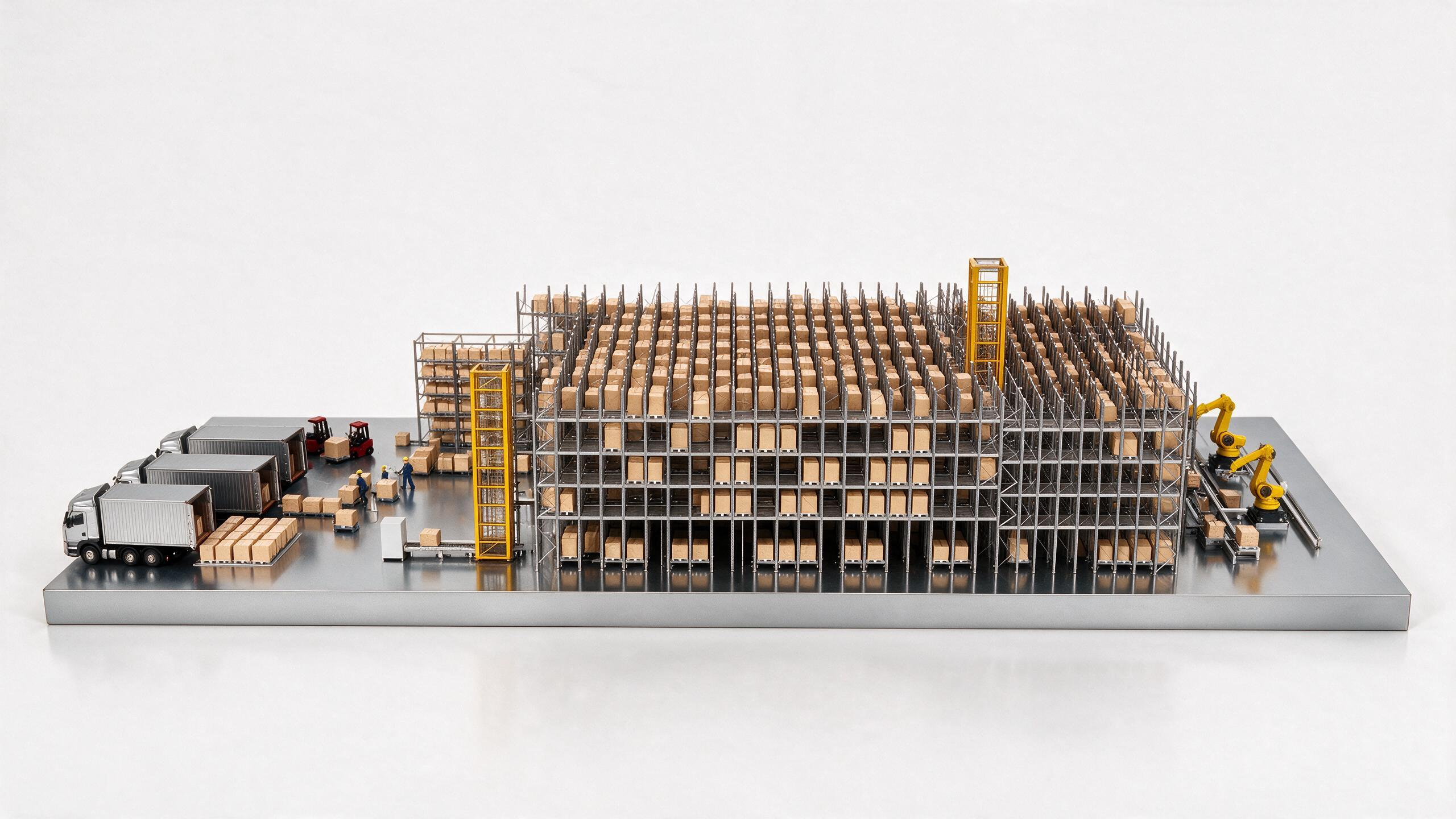
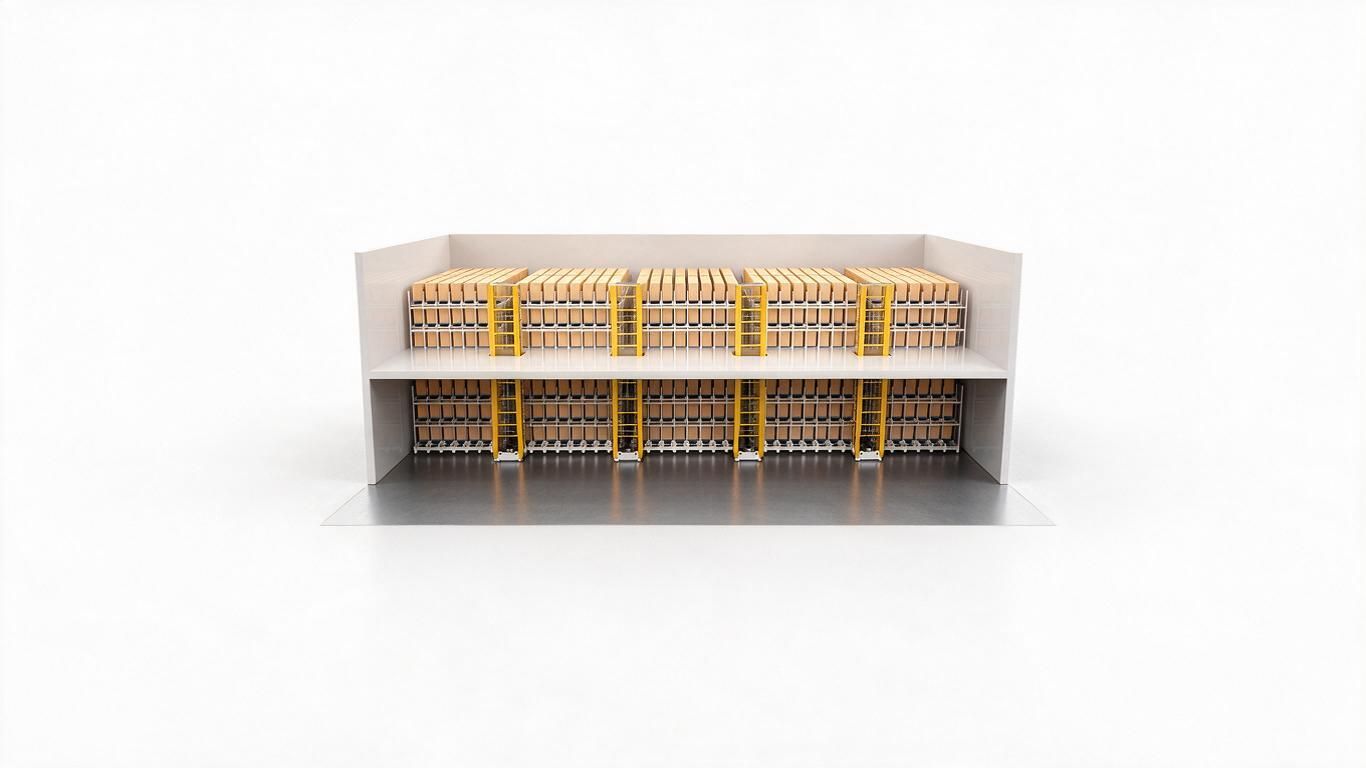
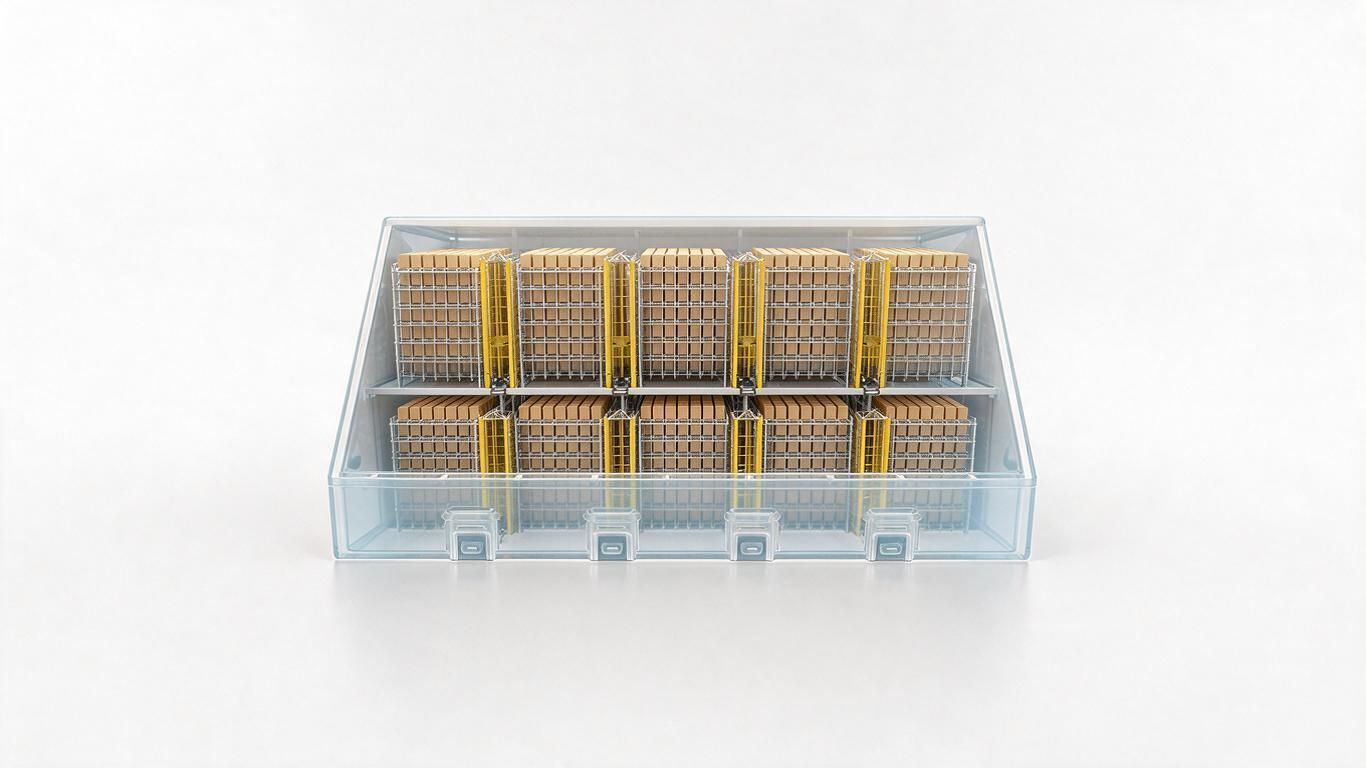
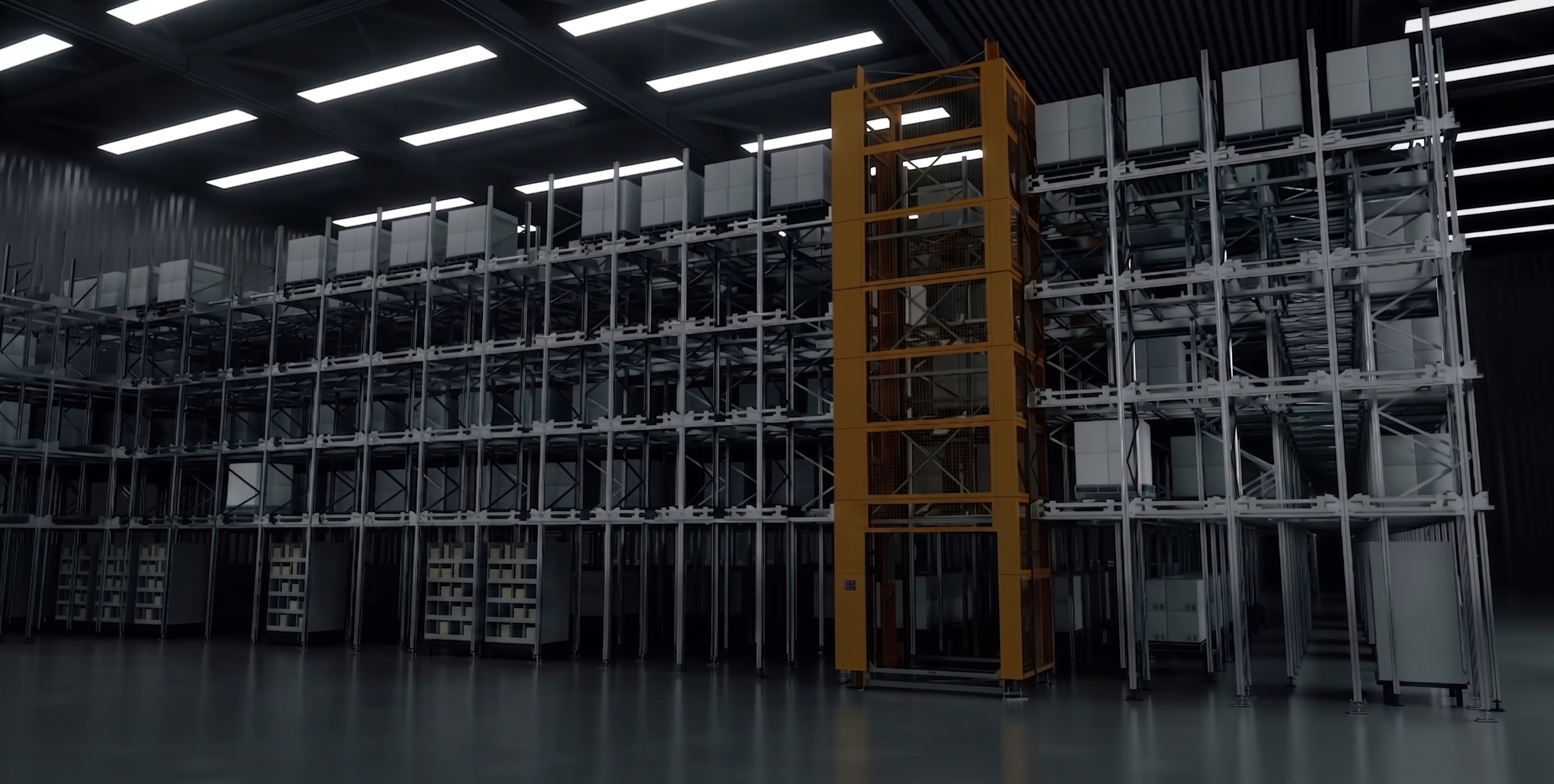
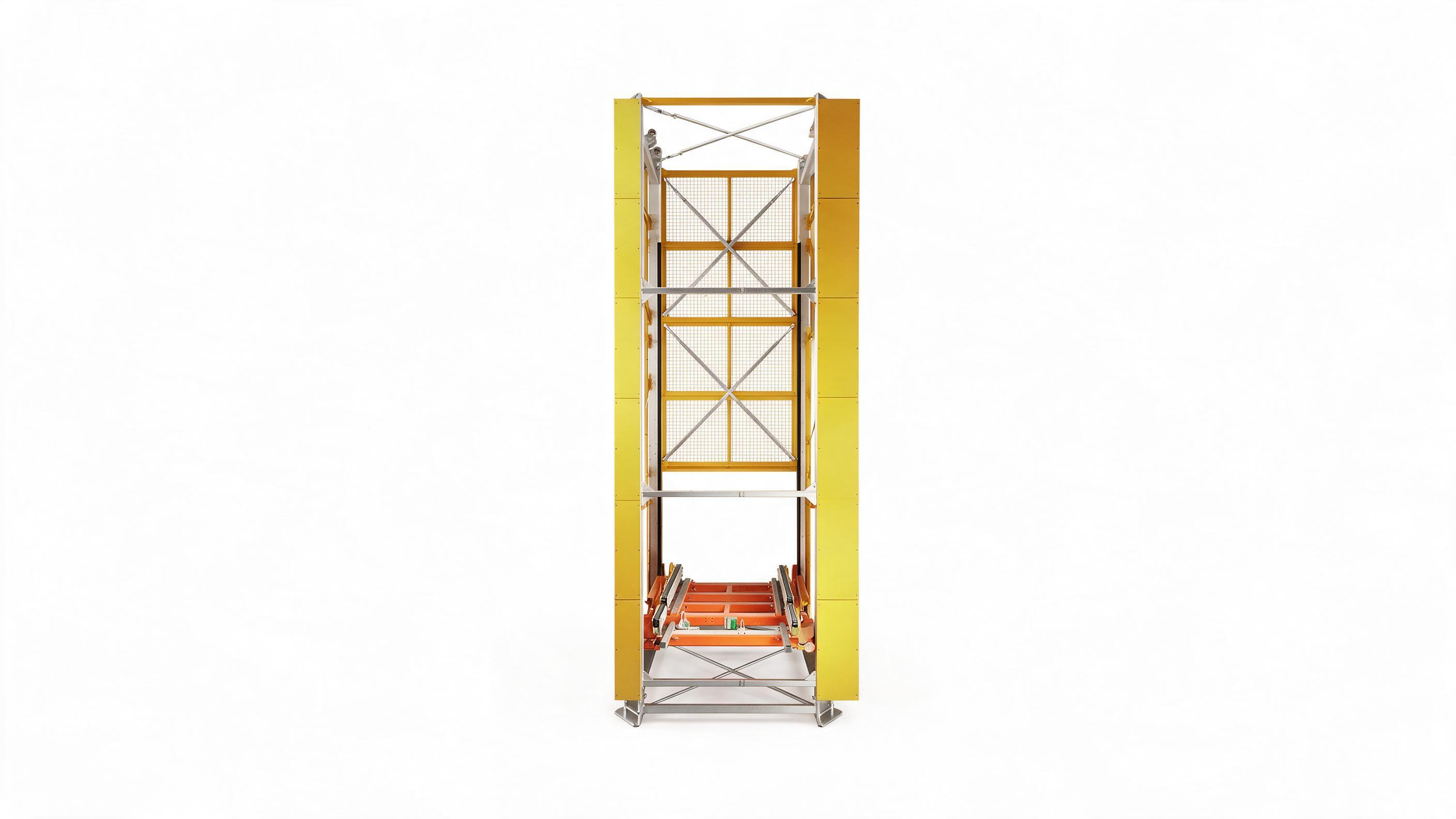
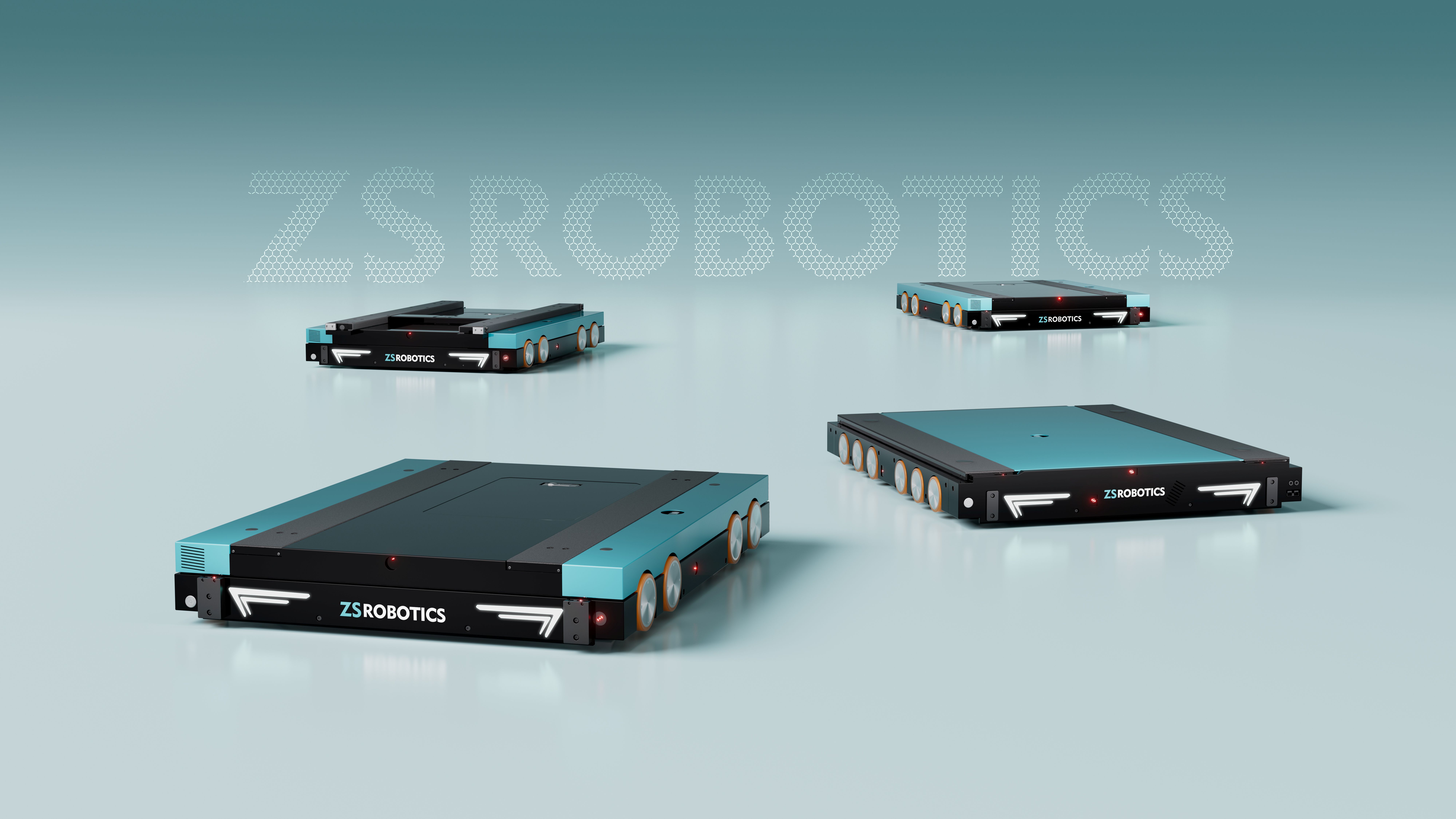
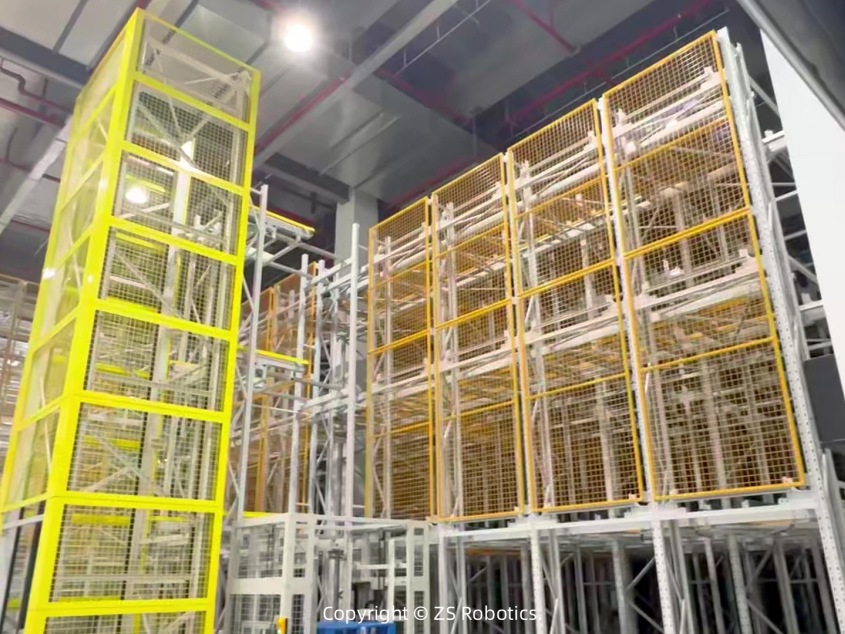
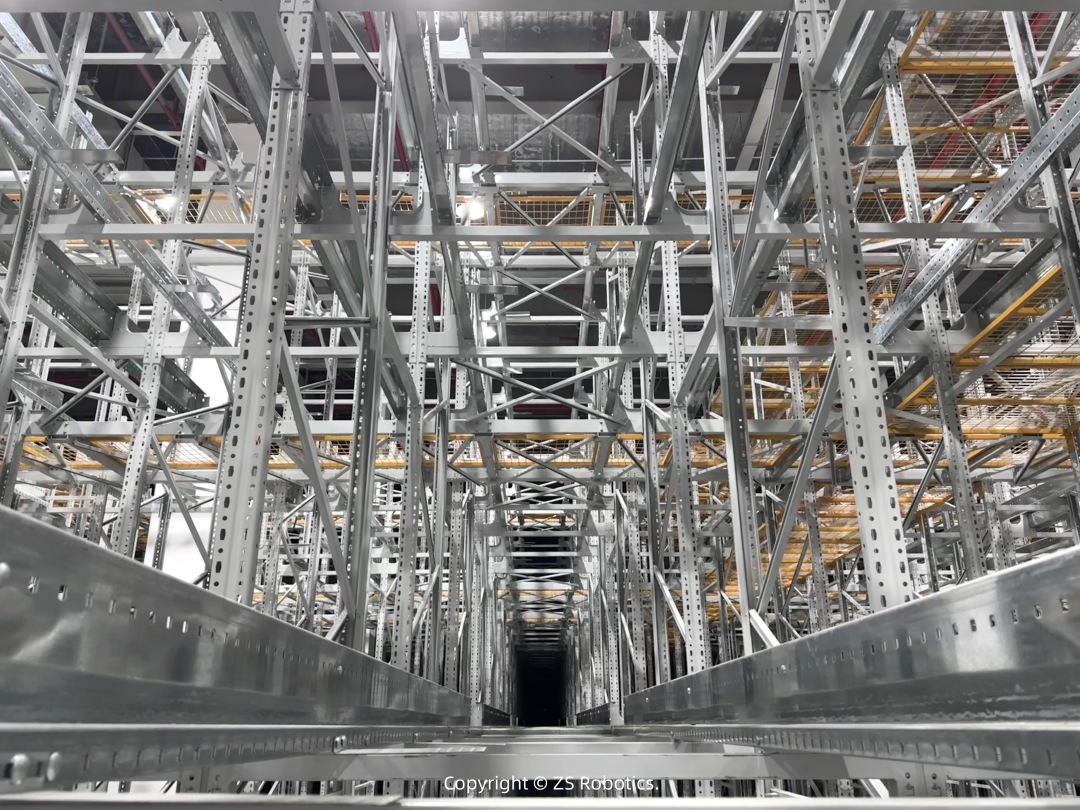
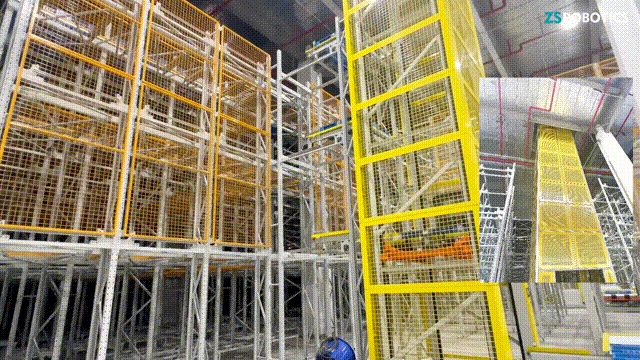
The project includes 35 four-way pallet shuttles, 13 high-precision lifts (two of them serving multiple floors), the ZSmart software platform and supporting equipment. The shuttles and automated guided vehicles (AGVs) work together in a layout that stores inventory above and picks it below, combining high-density storage and high throughput in one system.
3. Project Highlights
One System for Multiple Sales Channels
The warehouse serves direct retail, wholesale, e-commerce and online-to-offline (O2O) operations. The four-way pallet shuttles must work with several types of robots, operate across storage zones and floors and respond to fluctuations in demand.
Storage Above and Picking Below
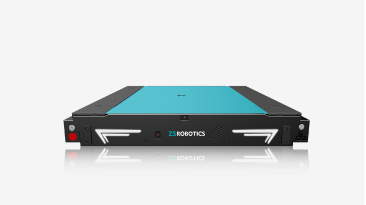
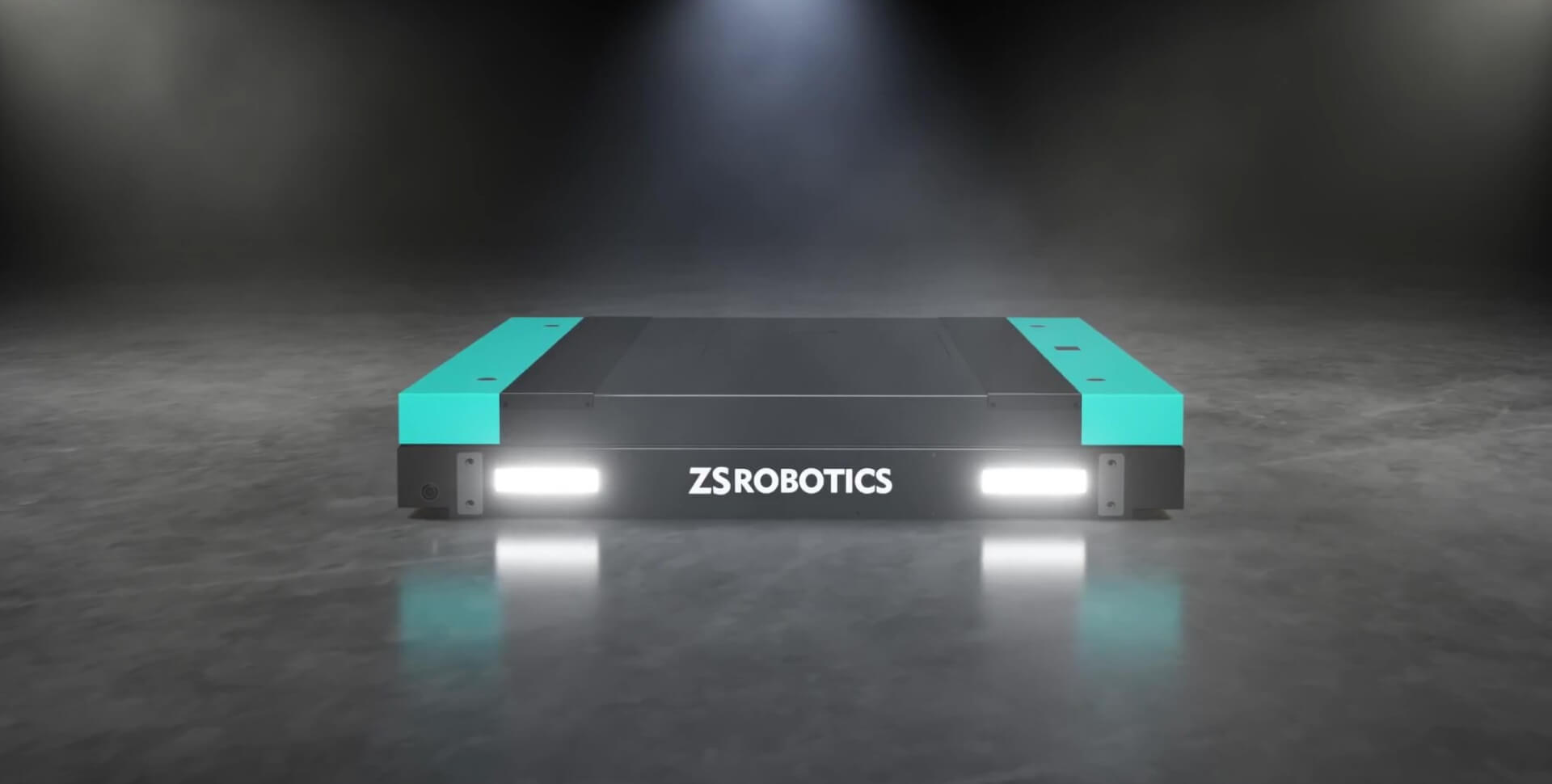
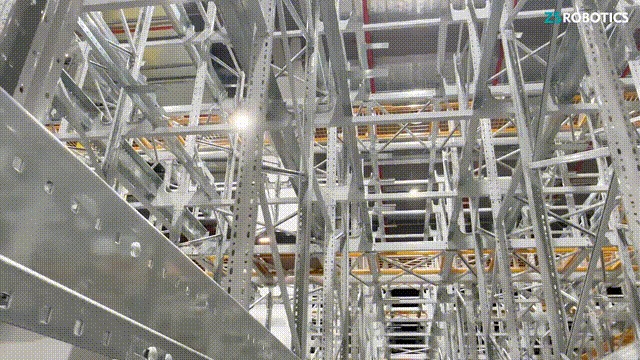
Footwear and apparel bring large SKU counts, strong seasonality and relatively shallow inventory for each SKU. The standard ZS Robotics shuttle is only 150 mm high, and the lifts require minimal clearance at the top and bottom. Close pallet spacing and better use of vertical clearance allow the warehouse to store more in the available space. Compared with conventional pallet storage, the solution increased storage capacity by 80% and significantly reduced warehousing costs.
Service deadlines are tight in footwear and apparel, and workloads vary sharply between peak and off-peak periods. How can a warehouse maintain inbound and outbound efficiency as volumes change? On the equipment side, the shuttles travel at 1.2–2.0 m/s, and positioning and direction changes take a combined 4–5 seconds. On the software side, the system plans optimized routes instead of forcing vehicles to follow a fixed loop. It can call idle shuttles across storage zones and floors to handle work together. The combination of these features and the store-above, pick-below layout improves throughput and helps the customer serve shoppers more reliably.
Multi-Shuttle Scheduling and Real-Time Monitoring
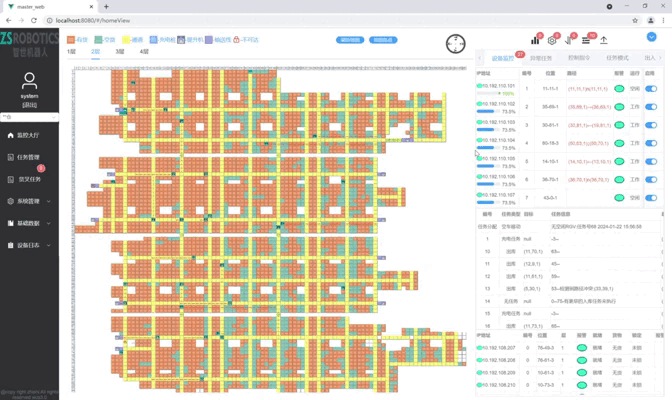
With multiple zones and floors and workloads that shift across time and locations, scheduling becomes more complex. The scheduling system uses task priorities, overflow buffer positions and logical aisles. The customer can configure inbound and outbound rules, enabling multiple shuttles to run safely and work together efficiently as conditions change.
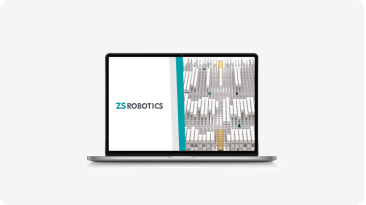
A real-time simulation gives operators visibility into shuttle status and provides early warnings. The ZSmart platform is designed to be easy to use and supports information traceability and data analysis for warehouse management.
Phased Implementation and Flexible Expansion
The project was split into two phases to match business needs. The customer could start using the first phase immediately after completion instead of waiting for the entire project, and could spread the capital investment across phases. Shuttle and lift capacity can be added later. Adding a ZS Robotics four-way shuttle takes just one hour, reducing deployment time.
The system was delivered successfully and received positive feedback from the customer.