




At −18°C, a ZS Robotics Automated Cold Store Has Run Reliably for More Than Two Years
News
2024/03/26
ZS Robotics





1. Project Background
Urbanization, a growing middle class, changing consumer expectations, increased attention to food safety and the rise of online fresh-food shopping have all driven growth in cold-chain logistics. China's 14th Five-Year Plan for Cold Chain Logistics Development, released in 2022 by agencies including the National Development and Reform Commission and the Ministry of Commerce, called for addressing gaps in the cold chain, retrofitting facilities with digital technology, modernizing infrastructure and making greater use of intelligent equipment. Policy support and market demand have expanded China's cold-chain market and infrastructure, with increasing emphasis on automation, technology and lower-carbon operations.
Cold stores are critical to maintaining quality and efficiency throughout the cold chain. The customer wanted to control temperature precisely for food safety while reducing the amount of time staff had to work in harsh conditions. It chose to build an unattended, automated high-bay cold store to meet demand for temperature-controlled products.
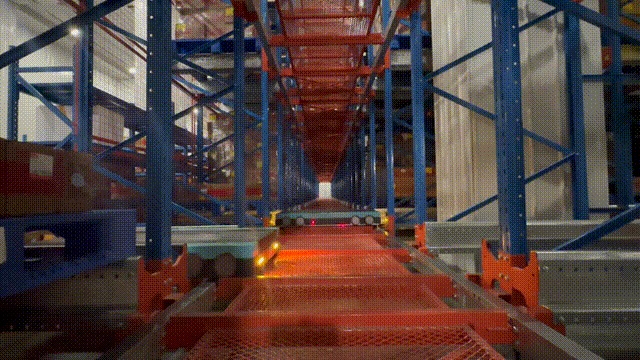
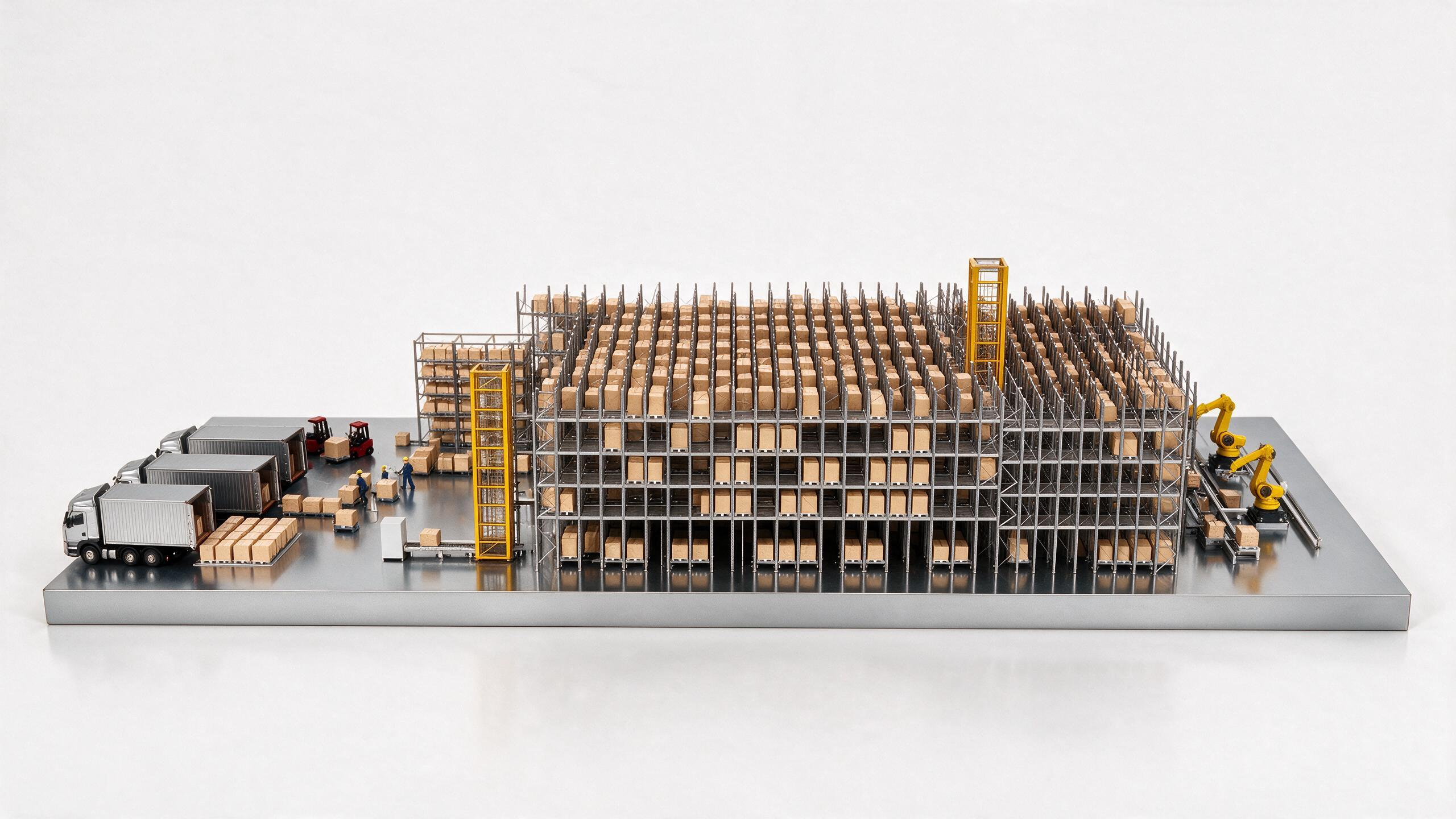
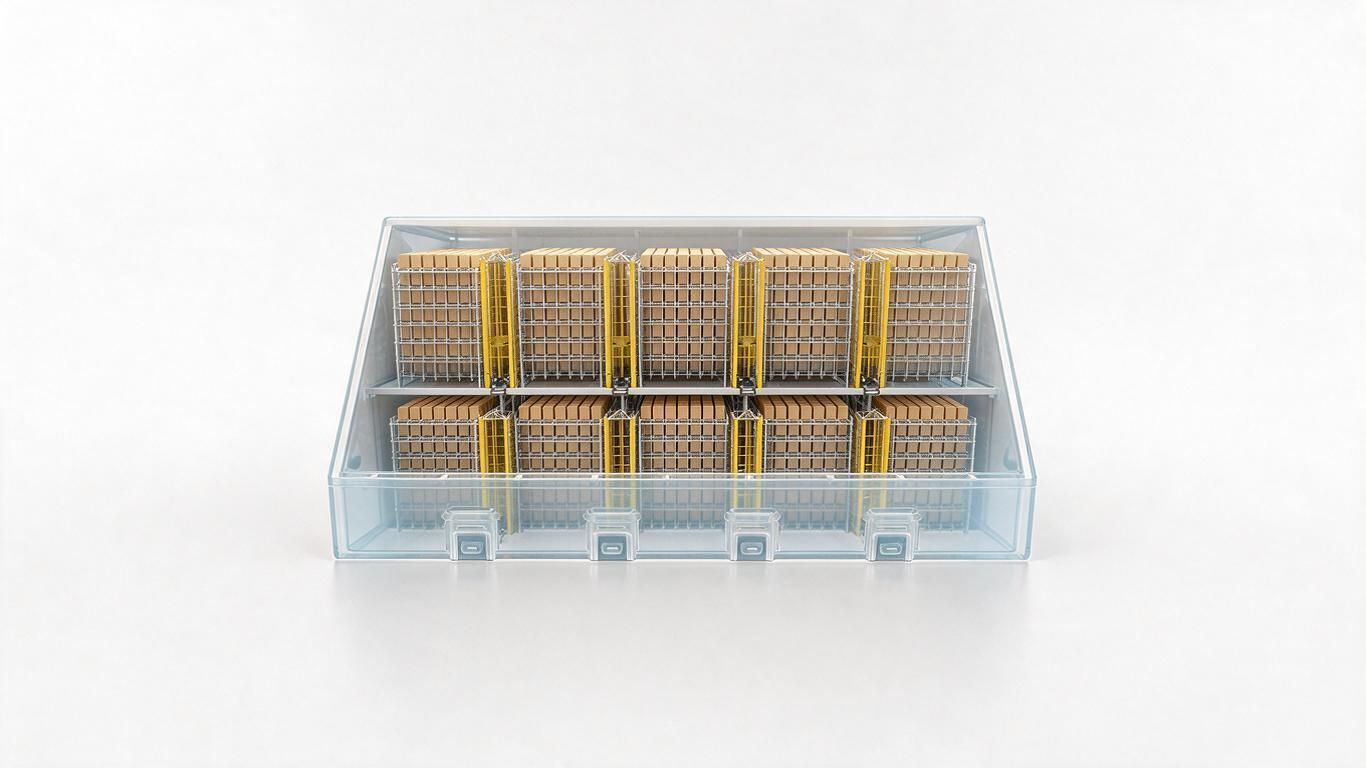
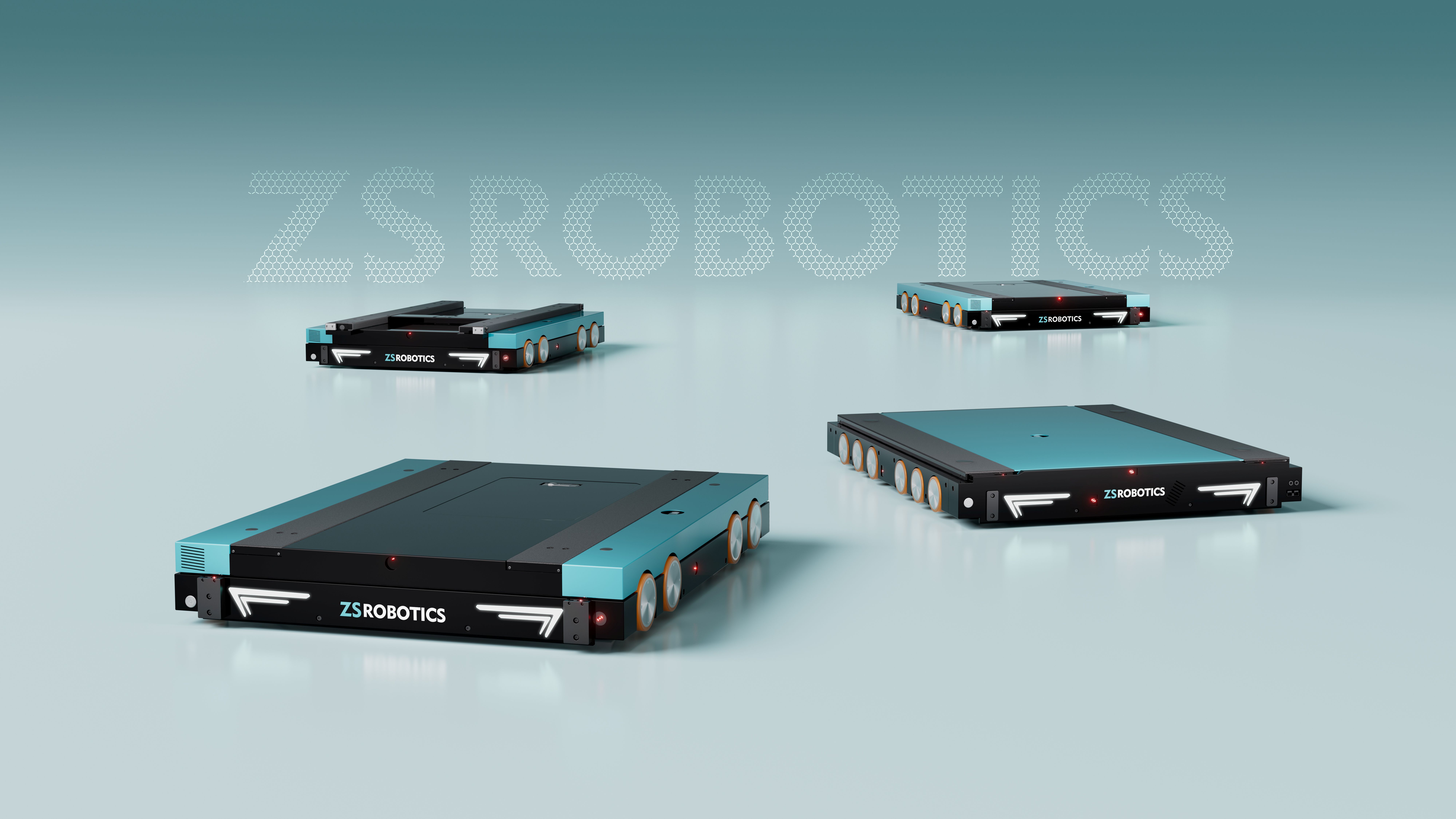
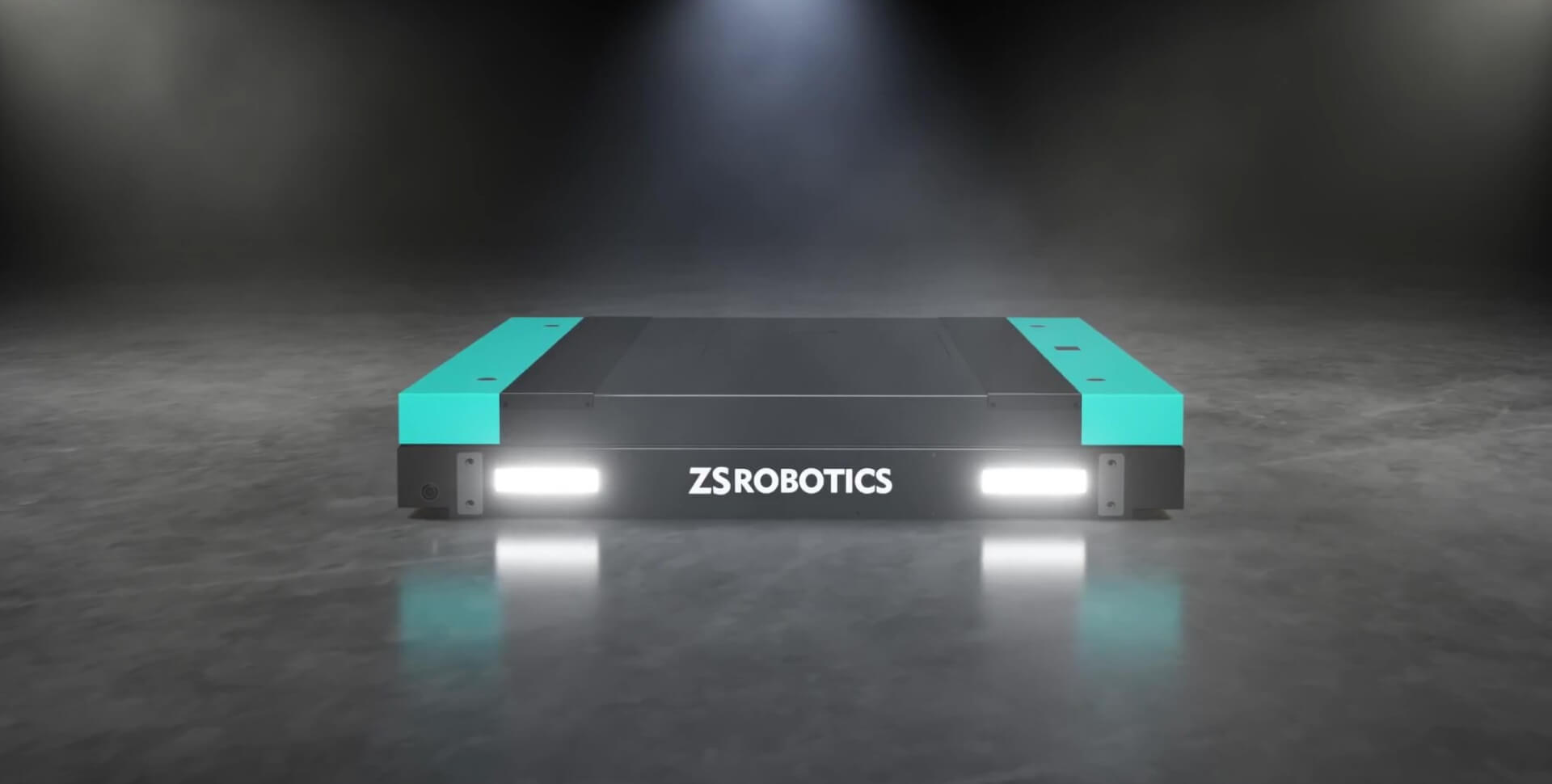
ZS Robotics supplied a high-density storage solution based on four-way pallet shuttles. Automating repetitive work in the freezer improved operating efficiency, and reducing aisle space increased storage density. The design supported food safety while reducing cold-store operating costs.
2. Project Solution
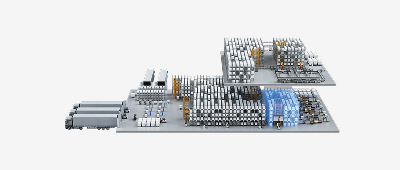
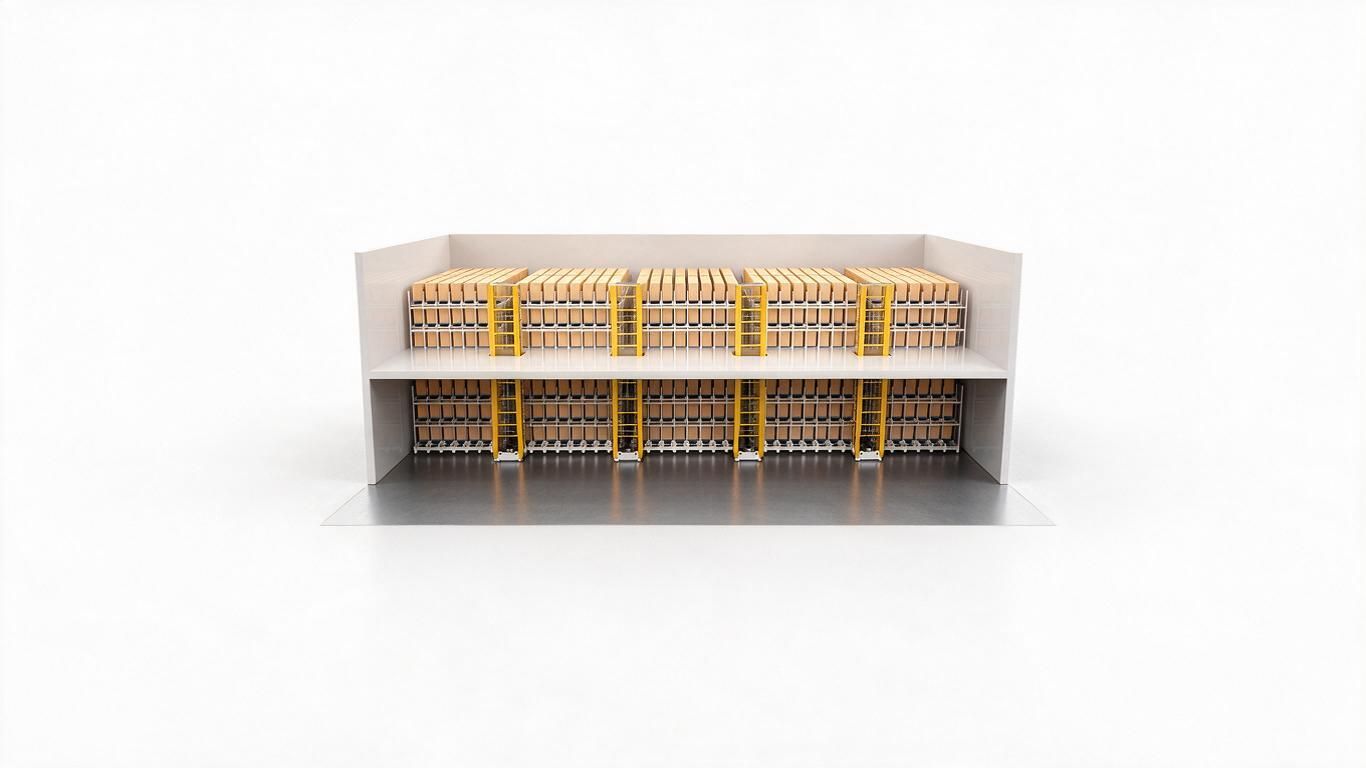
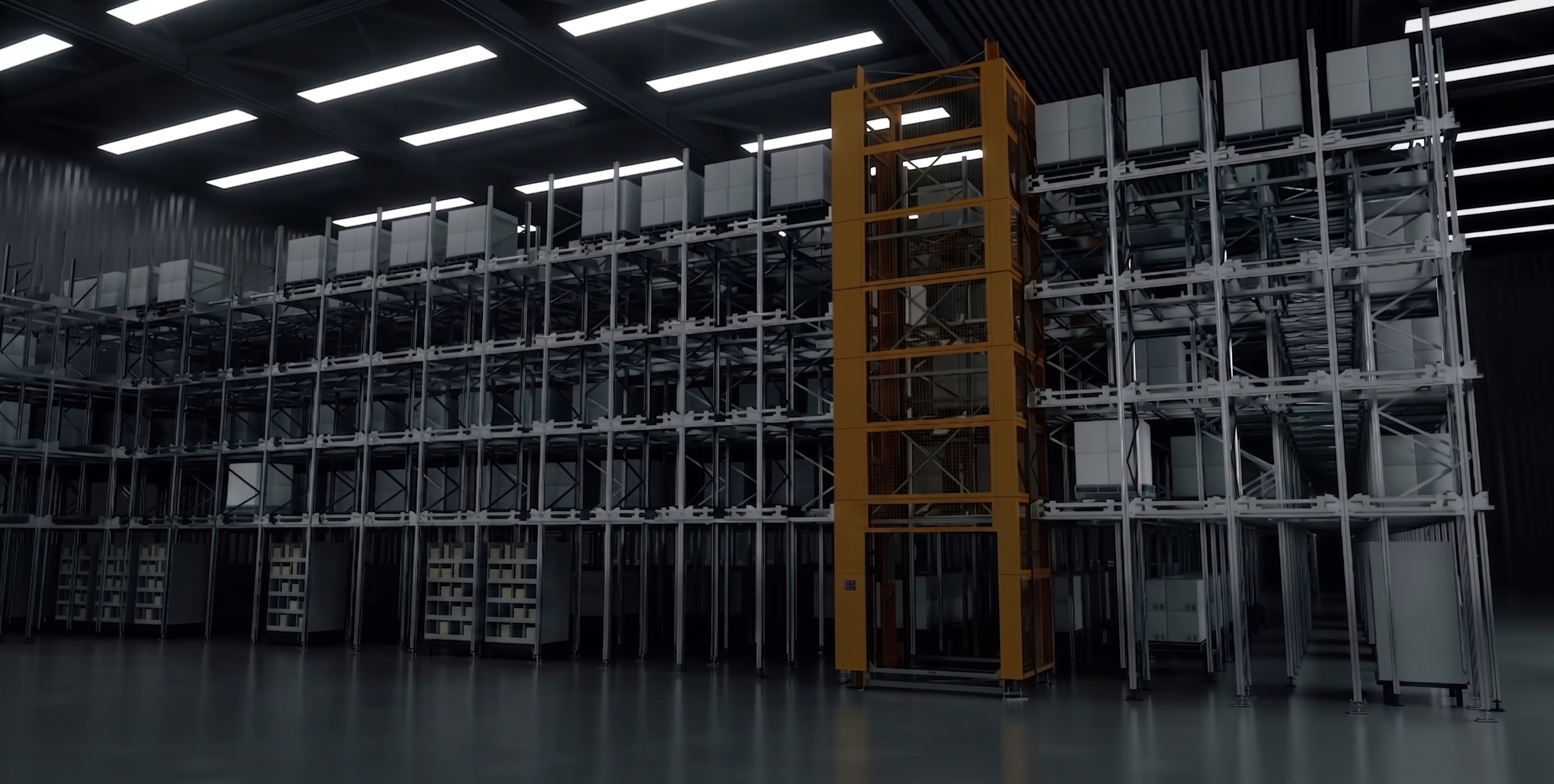
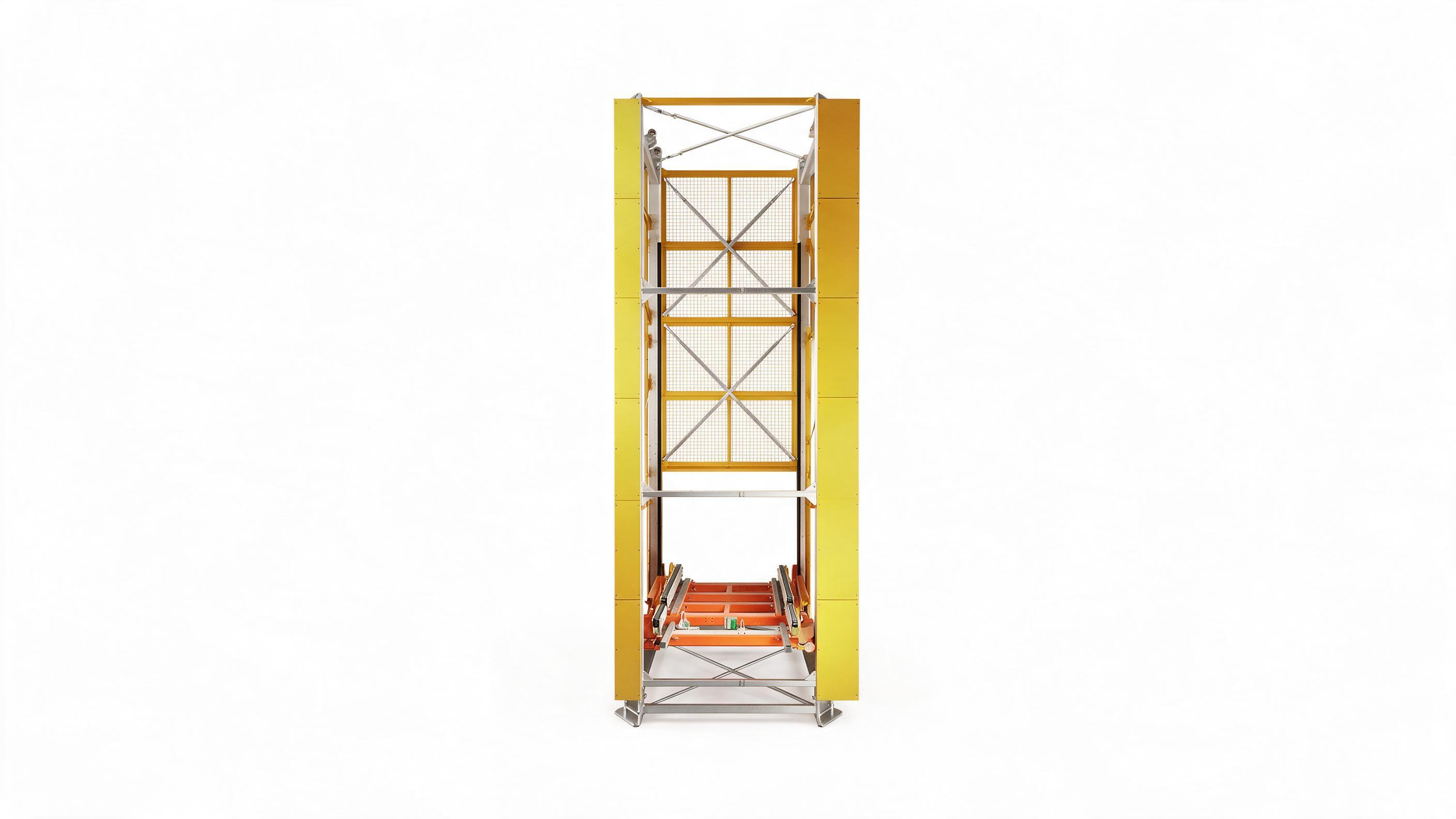
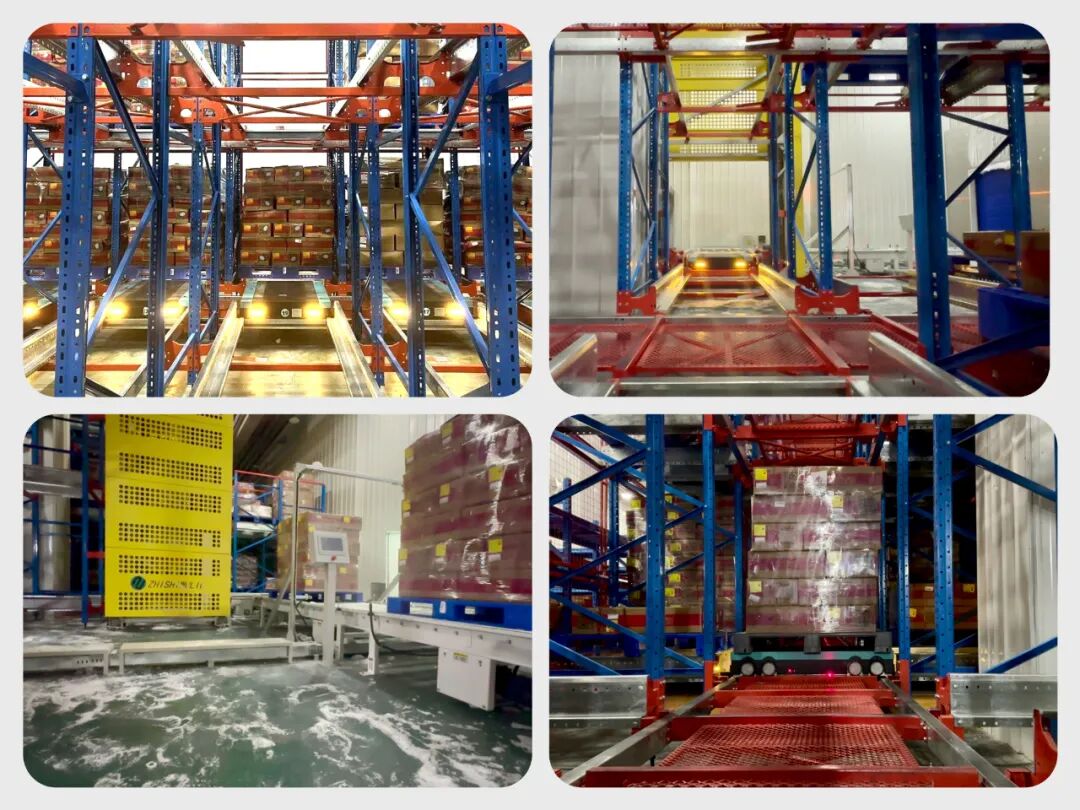
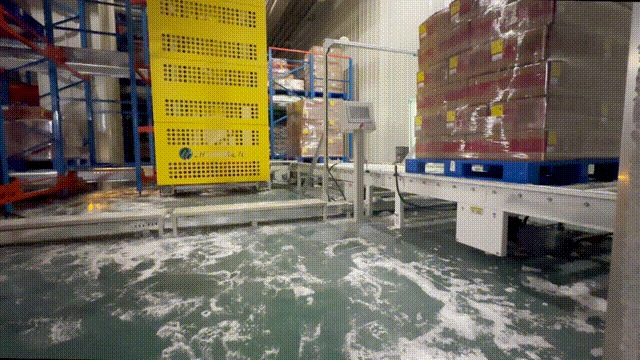
The 12,000 m² cold store operates at −18°C. The team assessed the needs of frozen food storage and the challenges of operating equipment at low temperatures. The resulting solution combines 12 cold-store four-way pallet shuttles, eight high-precision lifts, the ZSmart platform and supporting equipment.
3. Project Highlights
Reliable Operation at Low Temperatures
Cold stores typically have freezer zones (−18°C or below), refrigerated zones (0–10°C) and constant-temperature zones. Freezer space accounts for as much as 70% of the cold store. Extreme temperatures place stricter demands on components such as batteries and motors.
ZS Robotics uses batteries, motors and other electrical components designed or treated for low-temperature operation. It also adapted the lubricants, position-marker bracket materials and clip mounting methods for cold-store use.
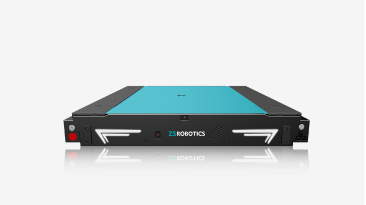
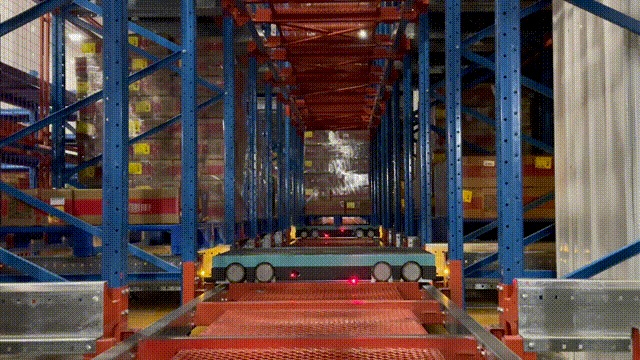
All-wheel drive gives the shuttles the traction to start smoothly without slipping. They can cross gaps of up to 160 mm in all four directions and pass through cold-store doors without additional auxiliary equipment.
High-Density Storage with Flexible Shuttle Allocation
As a cold store grows, so does its electricity use and the associated cost. The system makes more of the available volume through dense pallet storage and minimal clearances at the top and bottom of the lifts. Storage capacity increased 100% compared with a conventional storage solution.
The floors cannot be connected directly without compromising temperature control, but inbound and outbound workloads fluctuate. The four-way shuttles can be reassigned to another operating floor and start work without recommissioning, helping the customer respond to fluctuations in demand.
Extended Runtime and Efficient Operations
The shuttles can operate at temperatures as low as −25°C and sustain extended operation under these conditions. First-in, first-out retrieval, optimized routes and multi-shuttle dispatch configured for the customer's needs help the cold store handle large inbound and outbound volumes. The system reduces repetitive manual work in harsh temperatures while improving operating efficiency and accuracy.
Cold stores must remain at consistently low temperatures, where prolonged manual work is difficult and inefficient. Cooling energy and other ongoing expenses also rise with floor area. For both reasons, ZS Robotics expects automated high-density cold storage to grow, with four-way shuttles becoming more common because they combine density, throughput and flexibility.
At the time of publication, this project had operated reliably for more than two years and had earned the customer's recognition.