





ZS Robotics COO Shaowei Liu on Why the Company Focuses on Four-Way Pallet Shuttles
News
2024/04/16
ZS Robotics




ZS Robotics develops its own technology to deliver high-density, efficient and flexible warehousing solutions for apparel, pharmaceuticals, retail, cold chain, smart manufacturing, new energy and automotive customers. Xinchuang Media invited ZS Robotics COO Shaowei Liu to discuss the role of robotics in intelligent warehousing.
China's warehousing market has continued to expand in recent years. Warehouse and logistics robotics have developed rapidly, and competition remains intense. The founding team of Shanghai ZS Robotics began developing intelligent warehouse equipment in 2013 and helped launch China's first intelligent four-way pallet shuttle in 2015. The company was founded in 2019. Since then, ZS Robotics has developed its own technology for high-density, efficient and flexible storage in sectors including apparel, pharmaceuticals, retail, cold chain, smart manufacturing, new energy and automotive. Xinchuang Media spoke to COO Shaowei Liu about how warehouse robots are being put to work.
What is driving warehouse automation?
Xinchuang Media: You have worked in automated warehousing and logistics for years. How do you see the shift toward automated and unattended operations?
Shaowei Liu: Logistics and warehousing are clearly moving away from labor-intensive operations. I see three drivers. First, businesses' own needs are changing: production output is growing, for example, and they need to store more in the same space. Second, external pressures such as rising labor and land costs and more intense competition are pushing businesses toward intelligent, unattended warehousing. Third, technology has made these systems more practical to deploy. Advances in digital technology and AI give us more ways to combine equipment and software, so a flexible solution can do a better job of meeting each business's needs. All three forces are moving the industry toward intelligent logistics and warehousing.
Where do four-way shuttles make a difference?
Xinchuang Media: Could you share how the products you develop are being used, which industries they serve and what technical advances you have made?
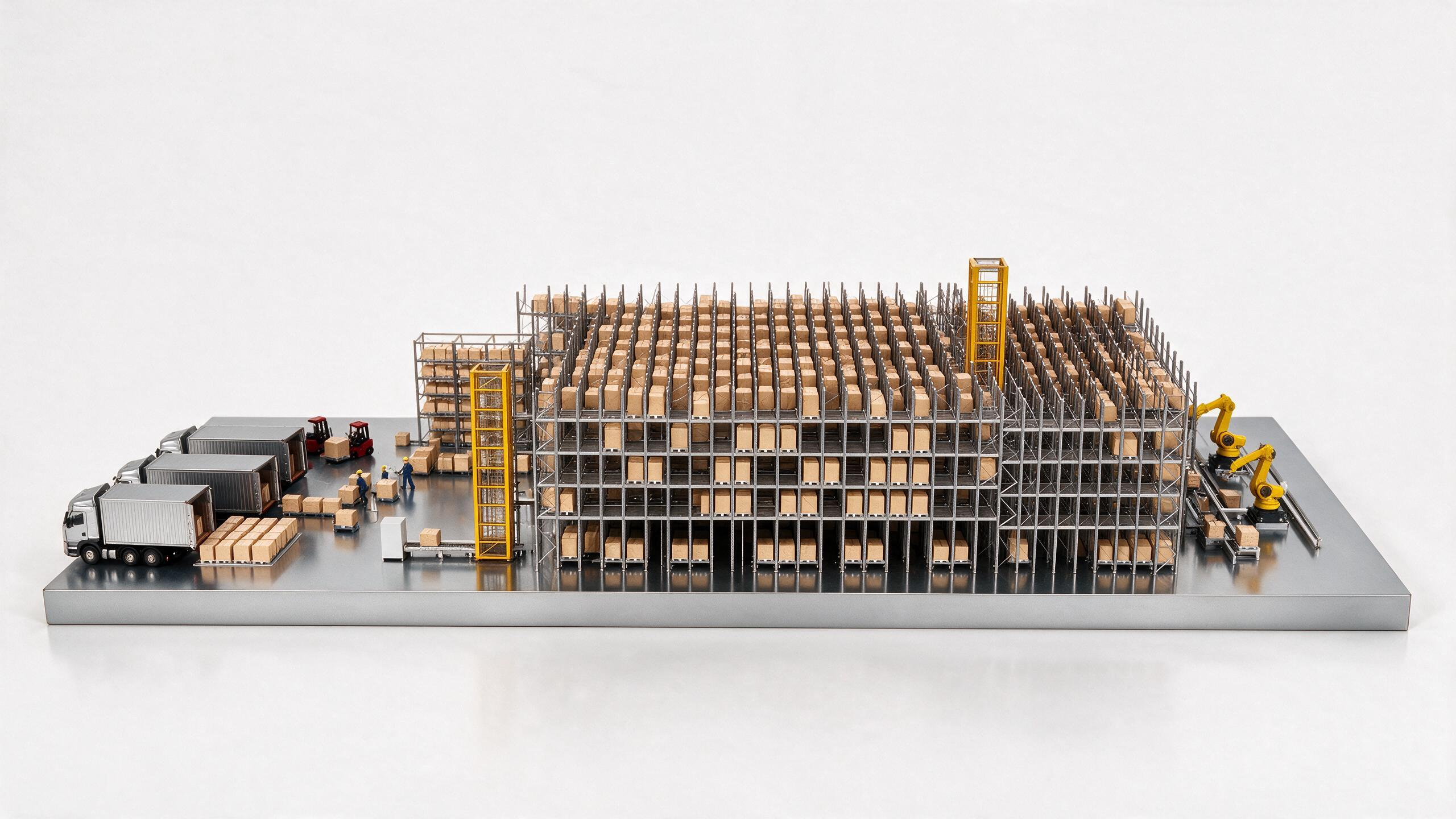
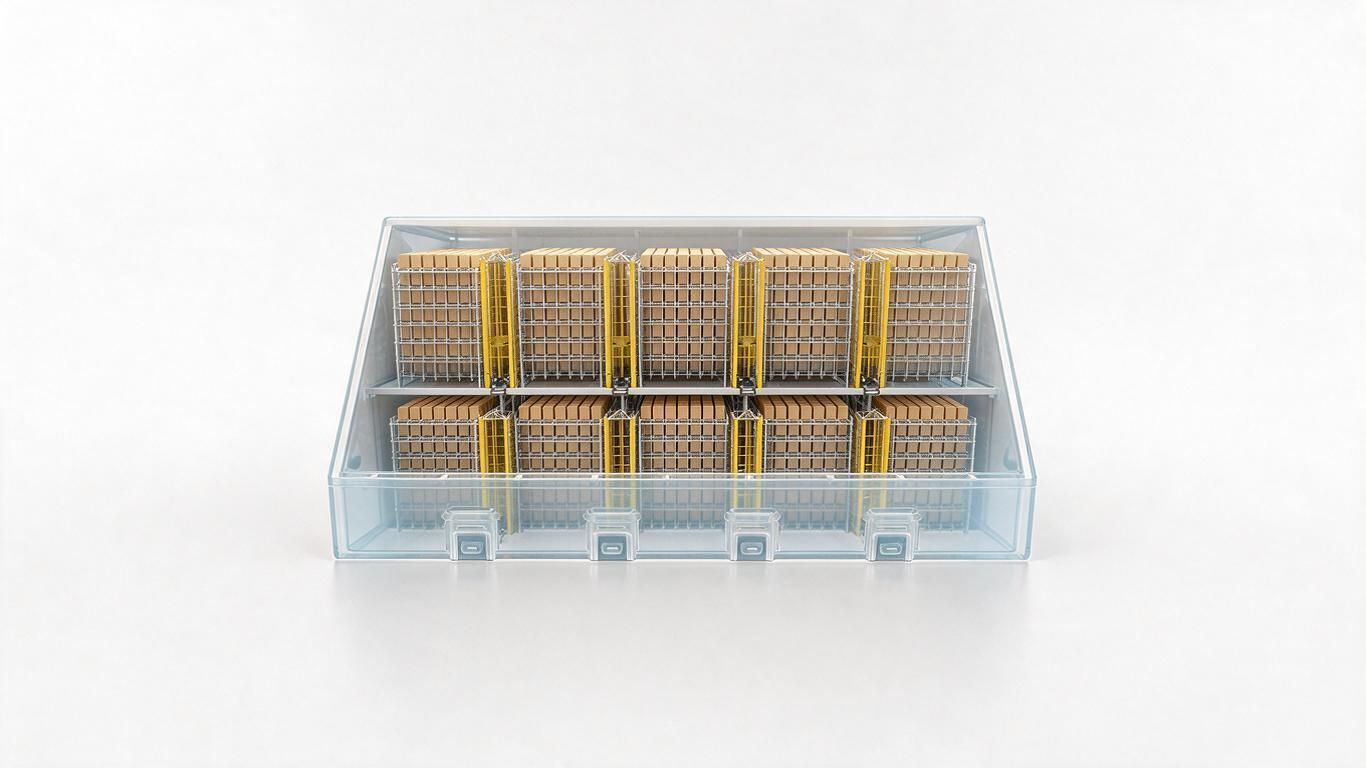
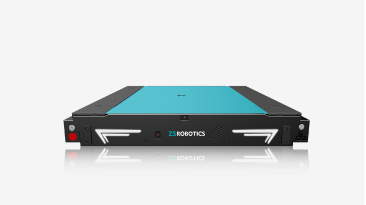
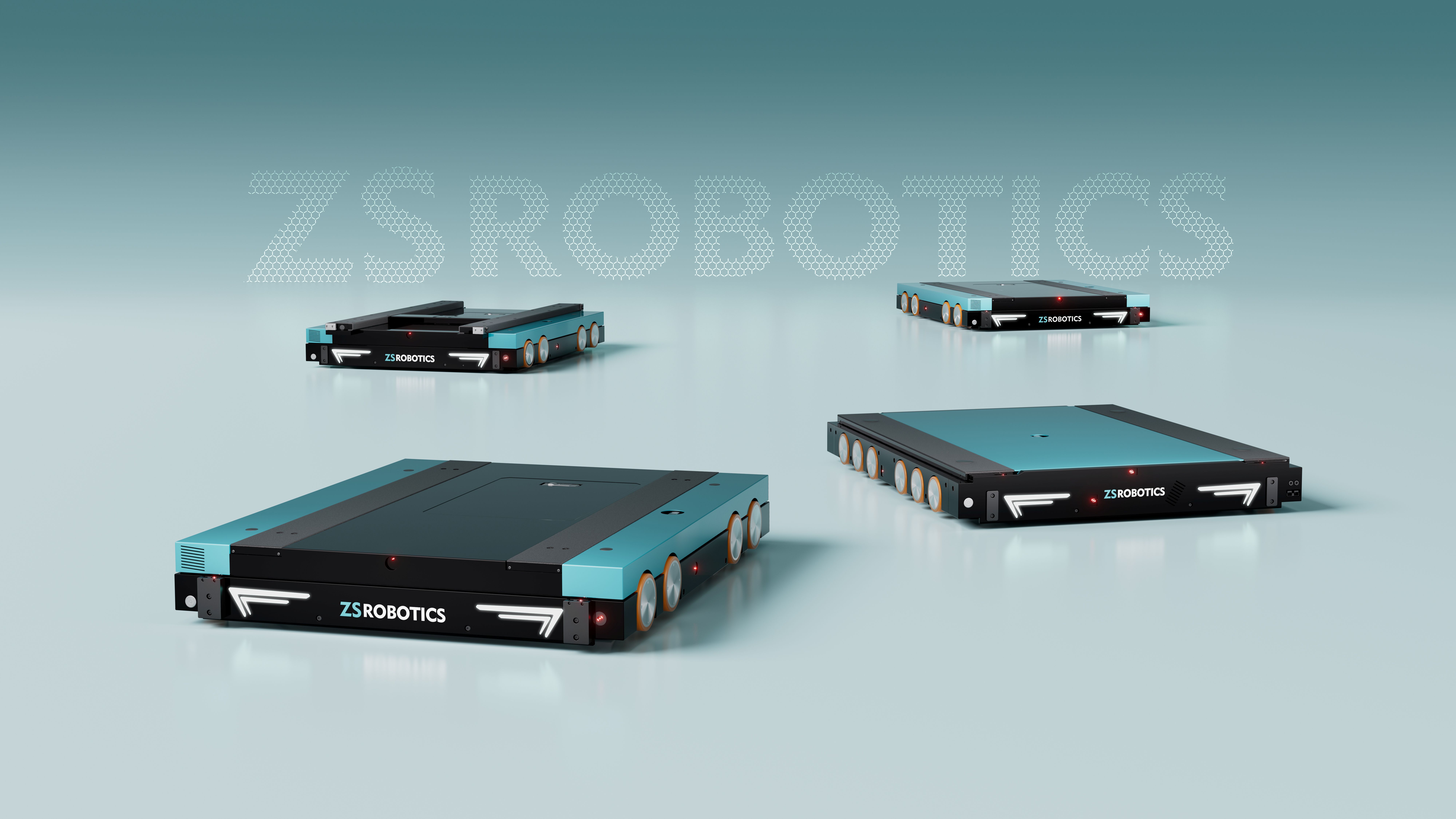
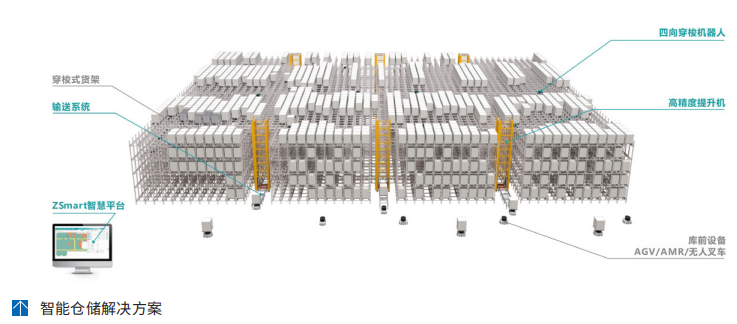
Shaowei Liu: Since the beginning, we've built warehouse automation solutions around the four-way pallet shuttle. We chose this area because conventional solutions such as forklifts and stacker cranes did not always meet end users' requirements for density, adaptability or flexibility. A four-way shuttle system can reduce repetitive manual work, improve warehouse productivity and make better use of space. It also gives customers denser storage and more room to expand later. We're one of relatively few companies that focus solely on developing four-way shuttles and their supporting products. We put our efforts into refining both the hardware and the software.
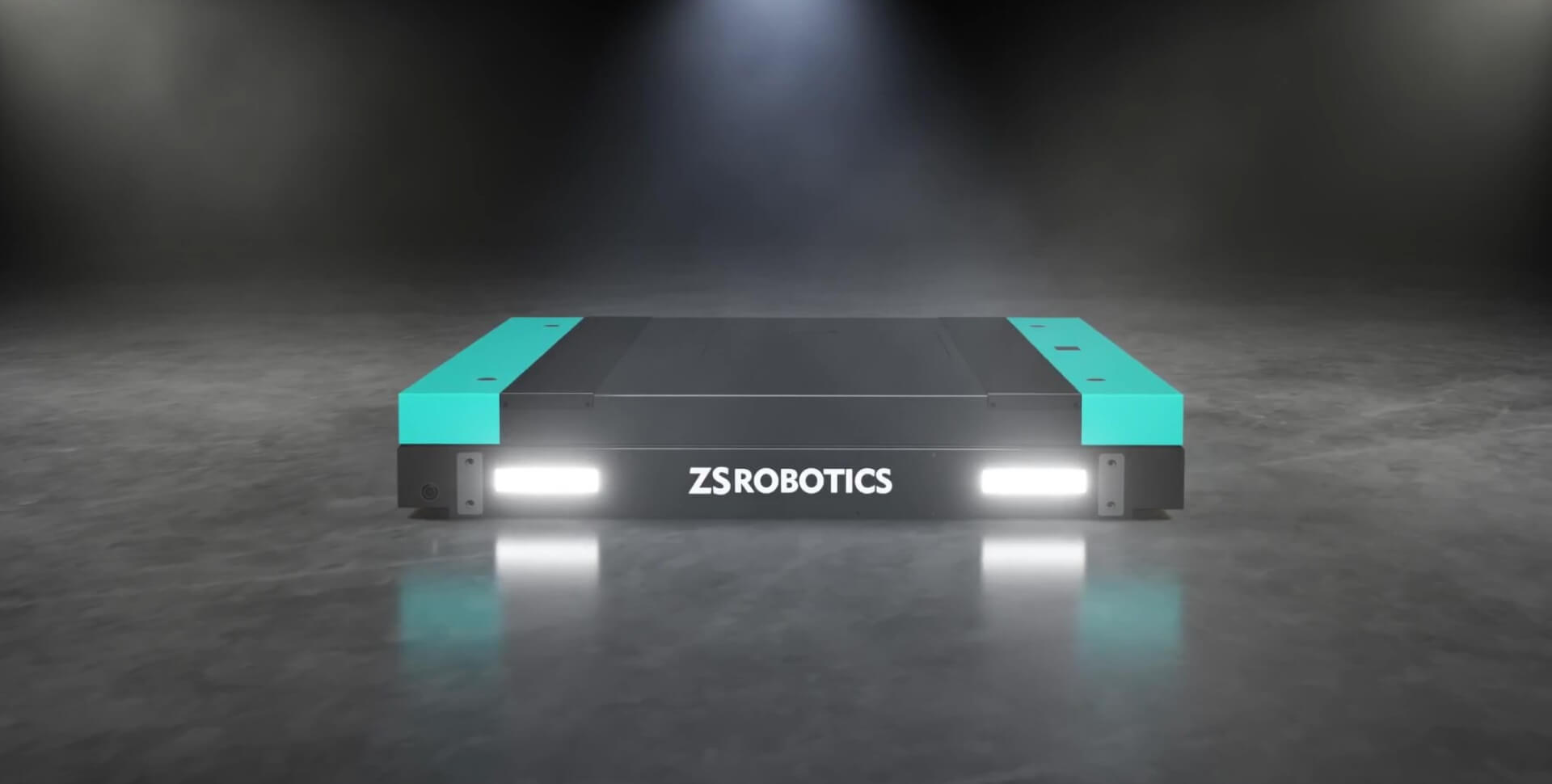
Our shuttles can now carry loads of up to 2.5 tonnes. We were also among the first shuttle manufacturers to bring the vehicle height down to 120 mm. We upgraded the platform last year so that changing direction and positioning take just 4–5 seconds combined. Smoother motion translates into better overall efficiency.
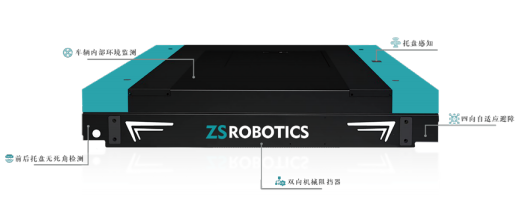
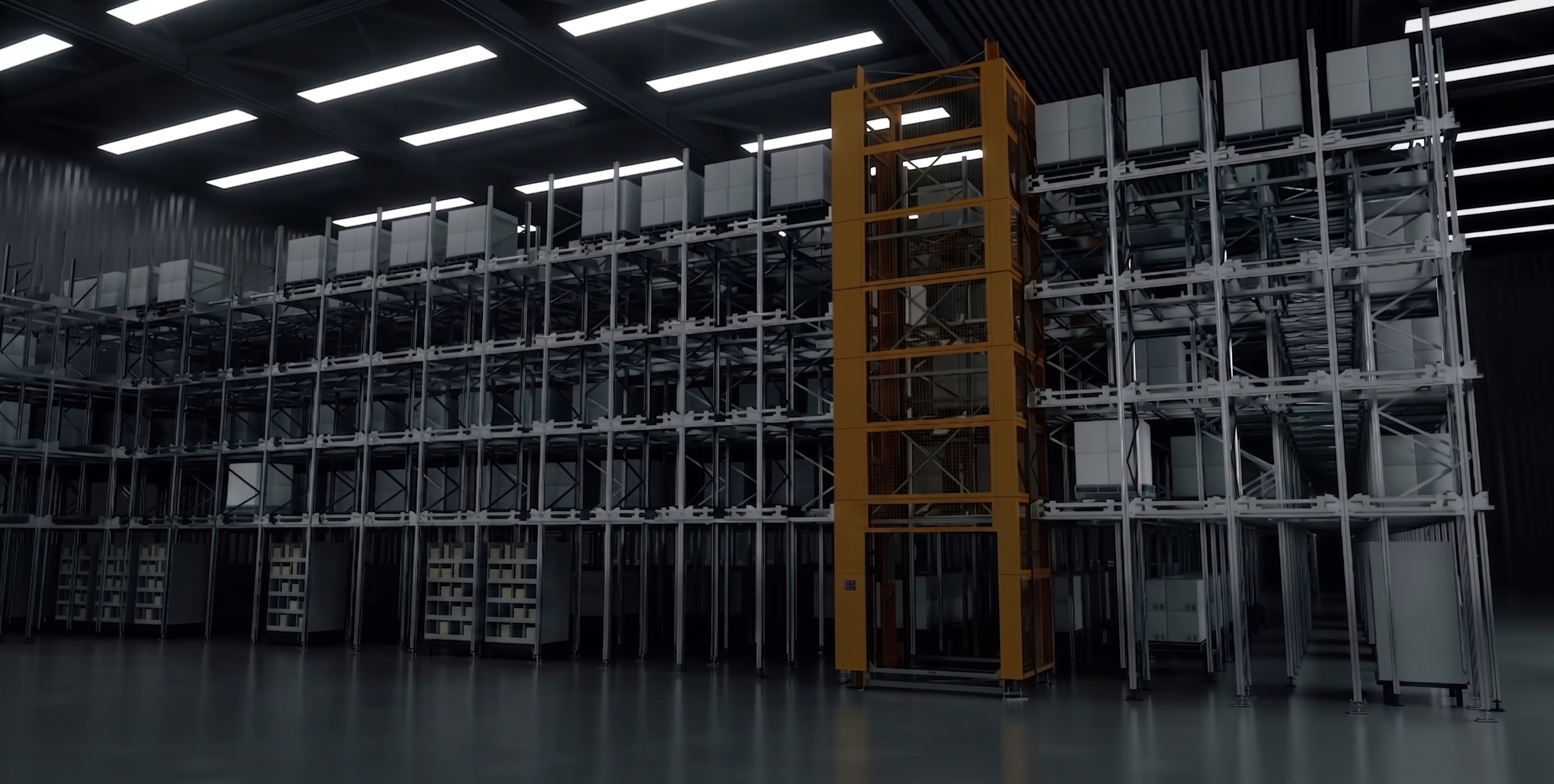
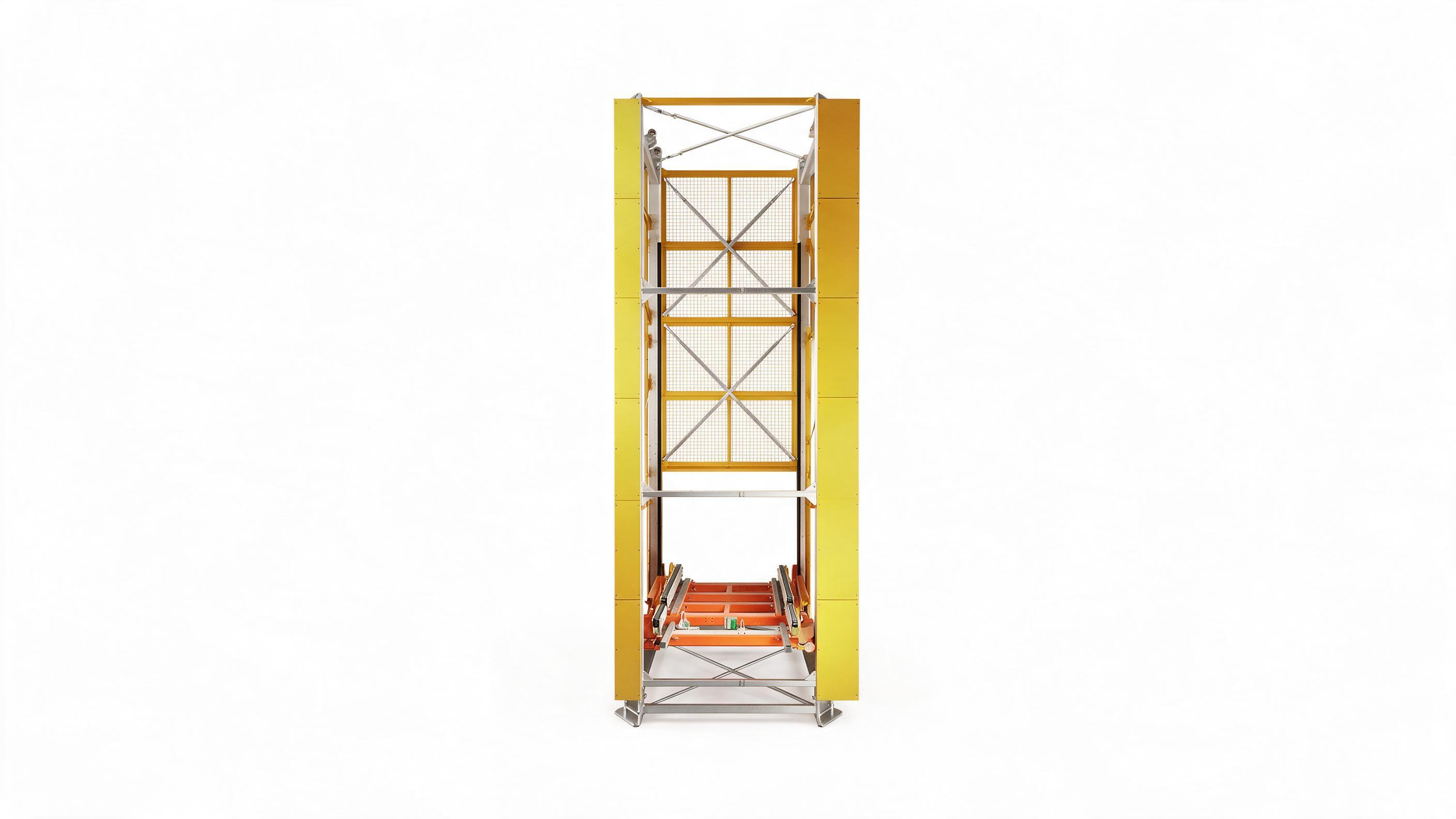
We also upgraded shuttle safety. Reliable equipment is a prerequisite for unattended operations. Our obstacle-avoidance sensors adjust their detection range to the shuttle's speed, avoiding unnecessary aisle occupancy. We addressed the risk of a shuttle falling during transfer to or from a lift with a dedicated mechanical design. Instead of relying on the electrical or software interlocks that electronic retaining devices commonly use, our bidirectional mechanical stop makes the lift and shuttle act as each other's lock and key during the transfer. This addresses the risk of relying on an electrical or software interlock alone and provides a safeguard that is easy to maintain.
We combine the hardware with our ZSmart platform, which includes warehouse control (WCS), robot control (RCS) and other software systems. Our solutions are used across footwear and apparel, cold storage, chemicals, automotive parts, healthcare and pharmaceuticals, solar photovoltaics and new energy.
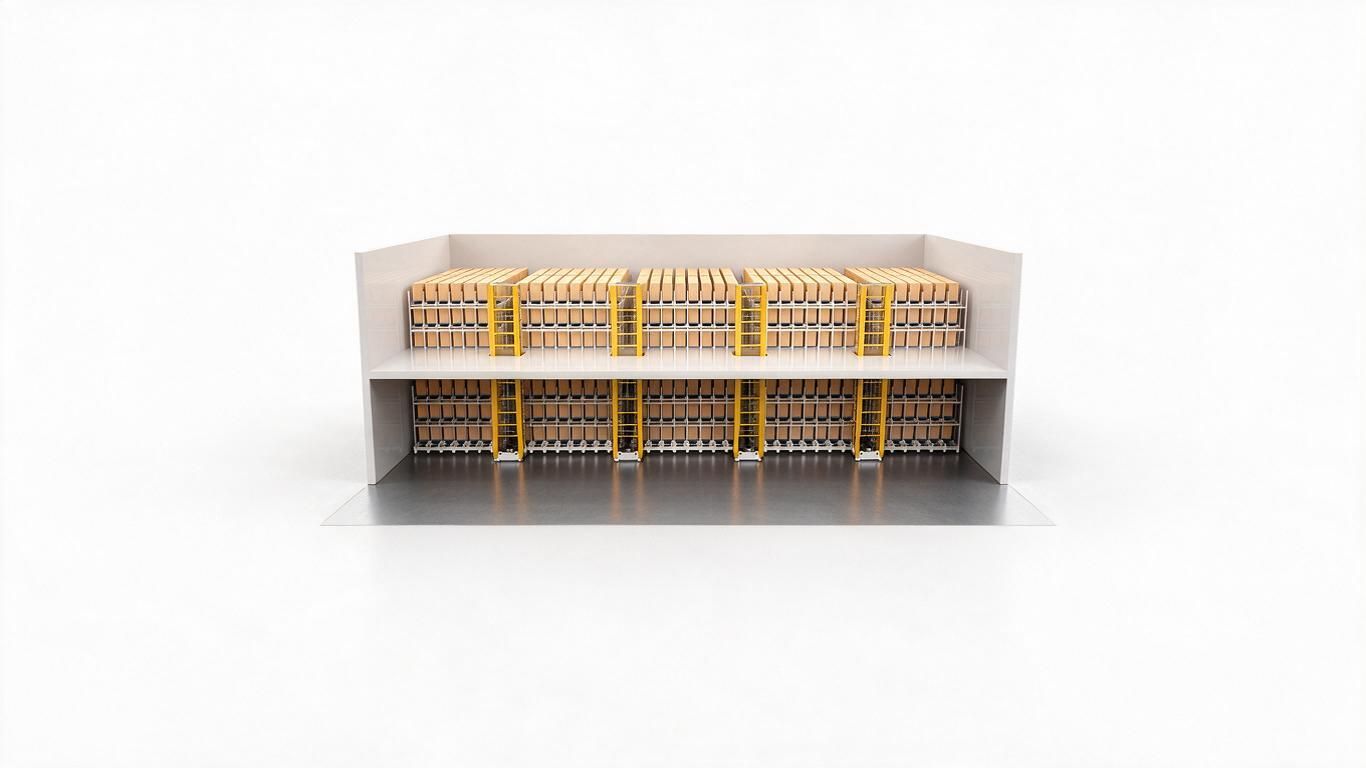
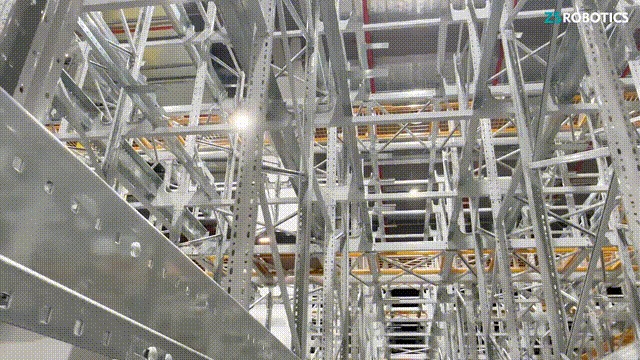
Footwear and apparel is one example. This sector typically has many SKUs, strong seasonality and relatively shallow stock per SKU, all of which increase the need for dense storage. Our standard shuttle is just 150 mm high, and the lifts need minimal clearance at the top and bottom. Dense pallet placement and effective use of vertical clearance help make the most of warehouse space. Compared with conventional pallet storage in this application, storage capacity increased 80%, reducing the customer's warehousing costs.
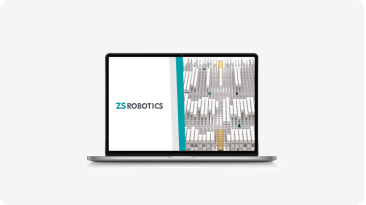
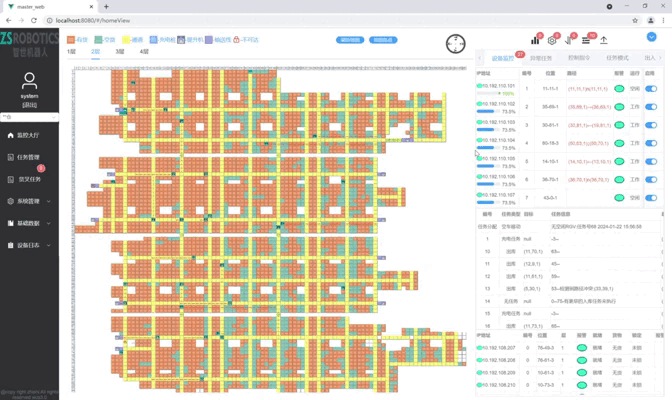
Our intelligent scheduling system gives customers control over inbound and outbound rules using task priorities, overflow buffer positions and logical aisles. That allows multiple shuttles to operate safely and work together efficiently as conditions change. A real-time simulation shows shuttle status and provides early warnings.
How does ZS Robotics support different customers?
Xinchuang Media: With automation being used in more varied settings, how do you support businesses whose needs differ?
Shaowei Liu: We want to make the components as useful as possible in different combinations. We take what we learn from past projects and use it to improve both the software and hardware, making systems more efficient, more adaptable and easier to configure and deliver.
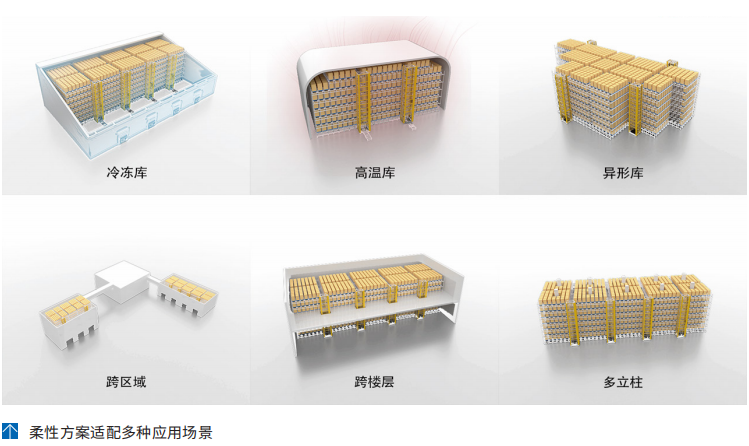
We primarily serve system integrators. Some are established warehouse integrators that understand four-way shuttles and have teams for planning, technical analysis and on-site implementation. Others are expanding into complete warehousing solutions from areas such as racking, production line automation or AGVs. We can provide hardware and software with modules combined as needed, or get more directly involved in a project. We can join an integrator on a site survey, analyze requirements, draw up a warehouse plan and help with on-site implementation and after-sales maintenance.
We don't take on projects we can't deliver. Once we agree to work with a customer, we put in the effort to deliver it well. We aim to refine the product, the solution and the delivery process one detail at a time so the customer has a good experience.
What still makes automated warehousing difficult to deliver?
Xinchuang Media: More companies are developing their software and hardware together. What are the most difficult problems in automated warehousing today?
Shaowei Liu: Unattended warehouse logistics are still evolving. We've seen a steady stream of new pallet- and tote-handling products and robots in recent years. A major challenge is that a new solution may initially only work well in a narrow setting or for a particular customer application. Uncertainty about its stability and maturity creates challenges downstream. Industrial products take time to improve. At delivery, software or hardware issues, poor planning or problems integrating with other equipment can mean the end user gets less than expected, or that the project cannot be handed over at all. I think the industry urgently needs to standardize and improve that process so that products mature and delivery becomes simpler.
What's next for ZS Robotics?
Xinchuang Media: Where will you focus next?
Shaowei Liu: We will keep focusing on four-way pallet shuttles and on pallet-based warehousing. It's a specialized field and we want to get the details right. Our first priority is making the hardware and software stable and efficient. We want to standardize hardware wherever we can so it can be used across products, while making the software and solutions flexible enough to fit each customer's application. Our second priority is delivery: we'll continue improving our standard operating procedures to make implementation simpler.