









Thinner, Smaller, Smarter: Six Advantages of the ZS Robotics Four-Way Pallet Shuttle
News
2022/12/23
ZS Robotics




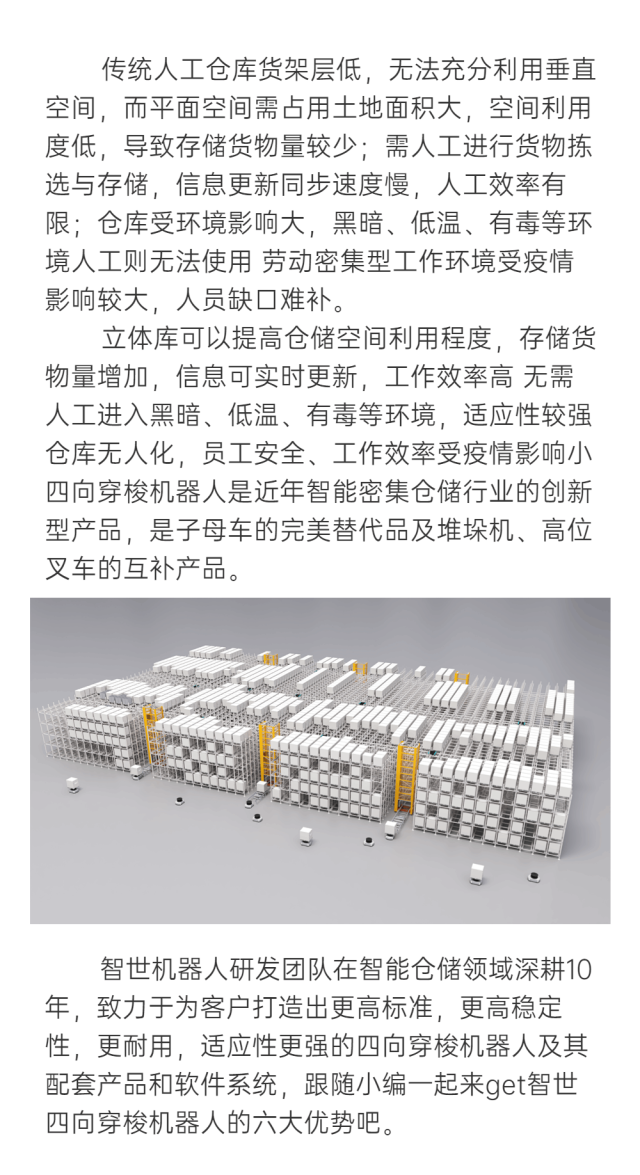
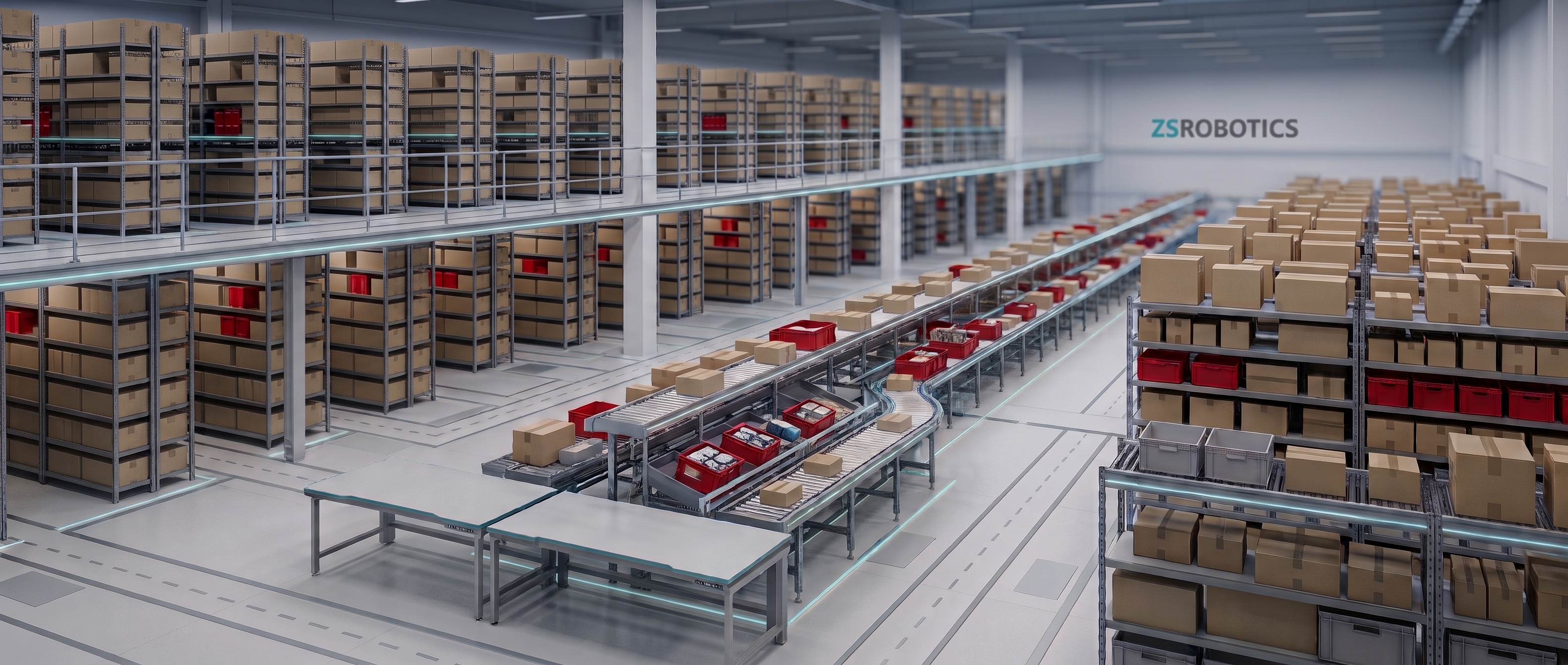
In a conventional manual warehouse, low racks leave much of the building's height unused, and the floor area needed to store goods limits capacity. Picking and putaway depend on manual labor, which slows both operations and inventory updates. Environments such as dark, cold, or hazardous areas can also be unsuitable for employees. During the pandemic, labor-intensive warehouses faced greater disruption and found it difficult to fill staffing gaps.
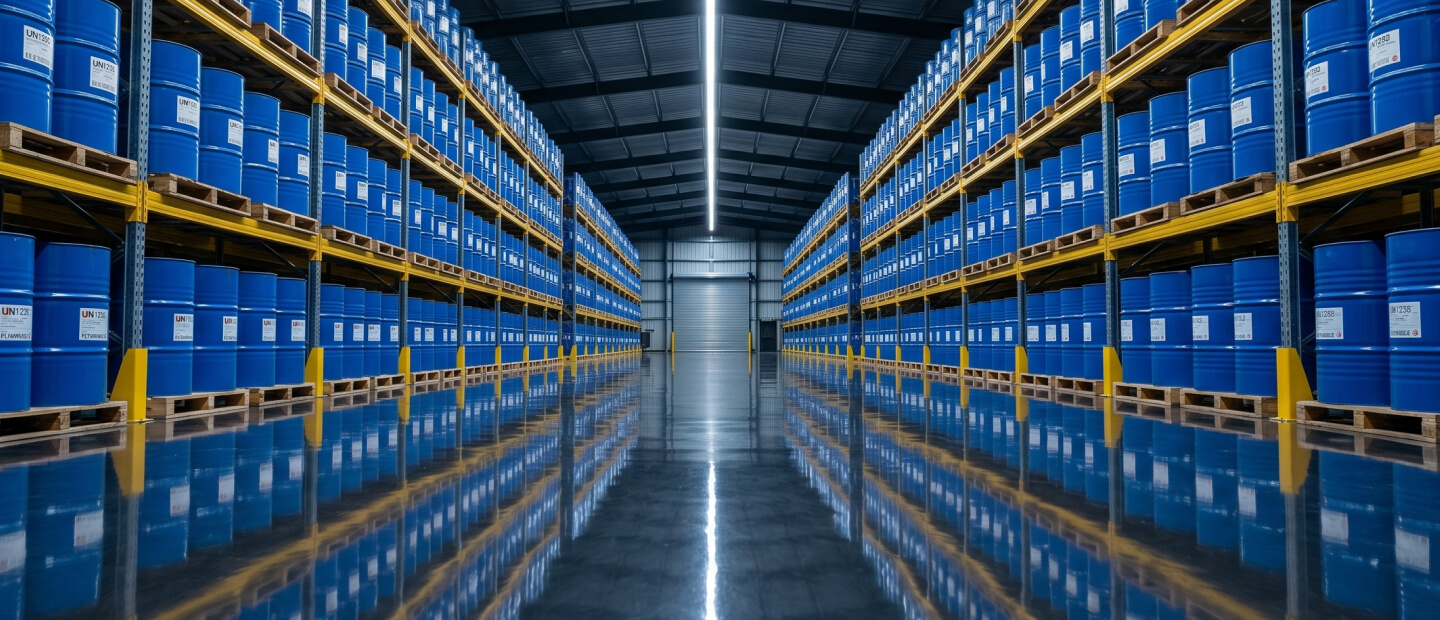
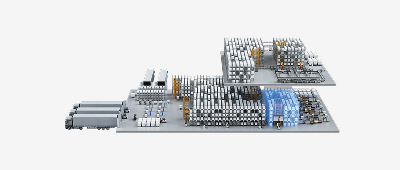
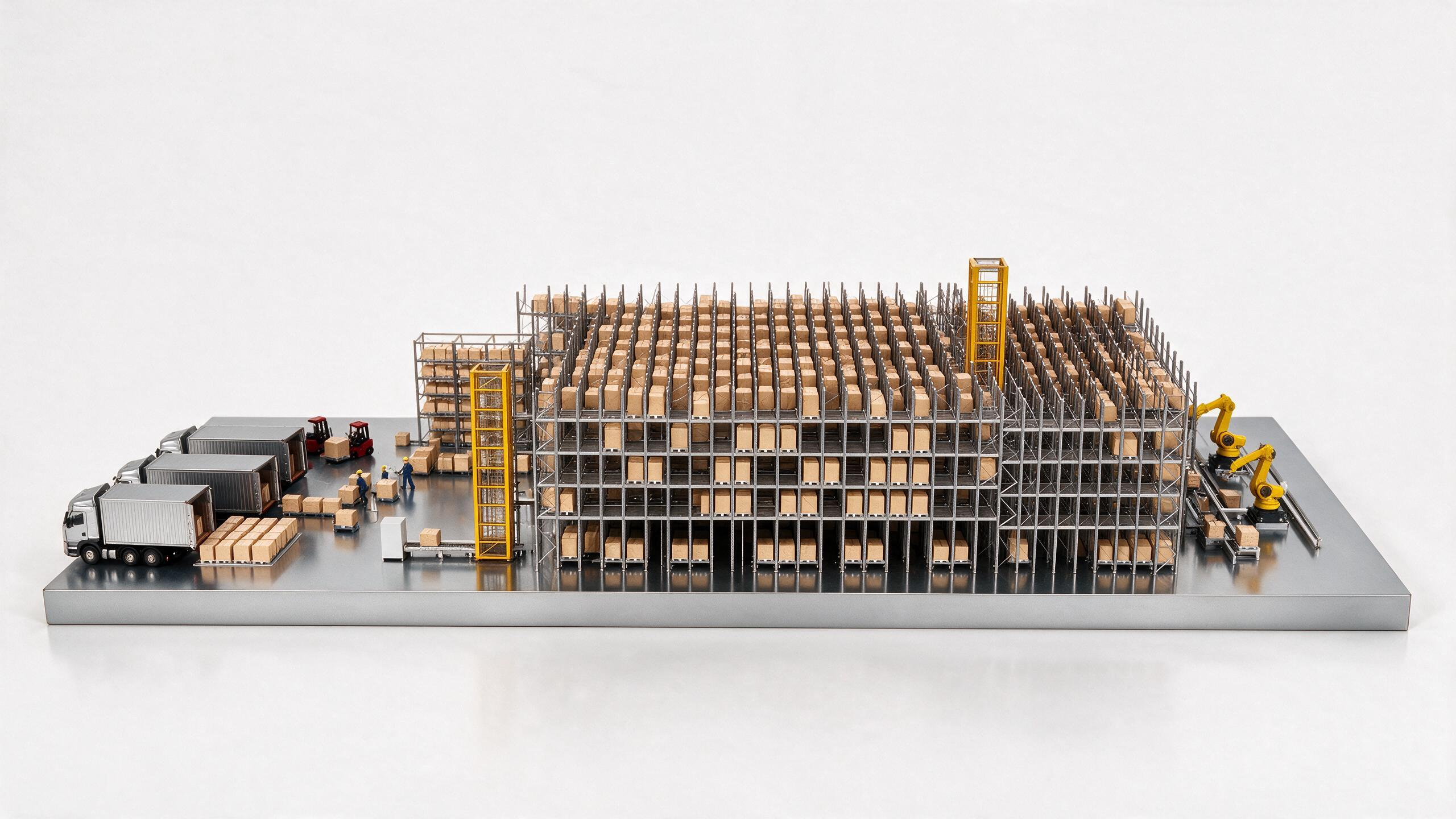
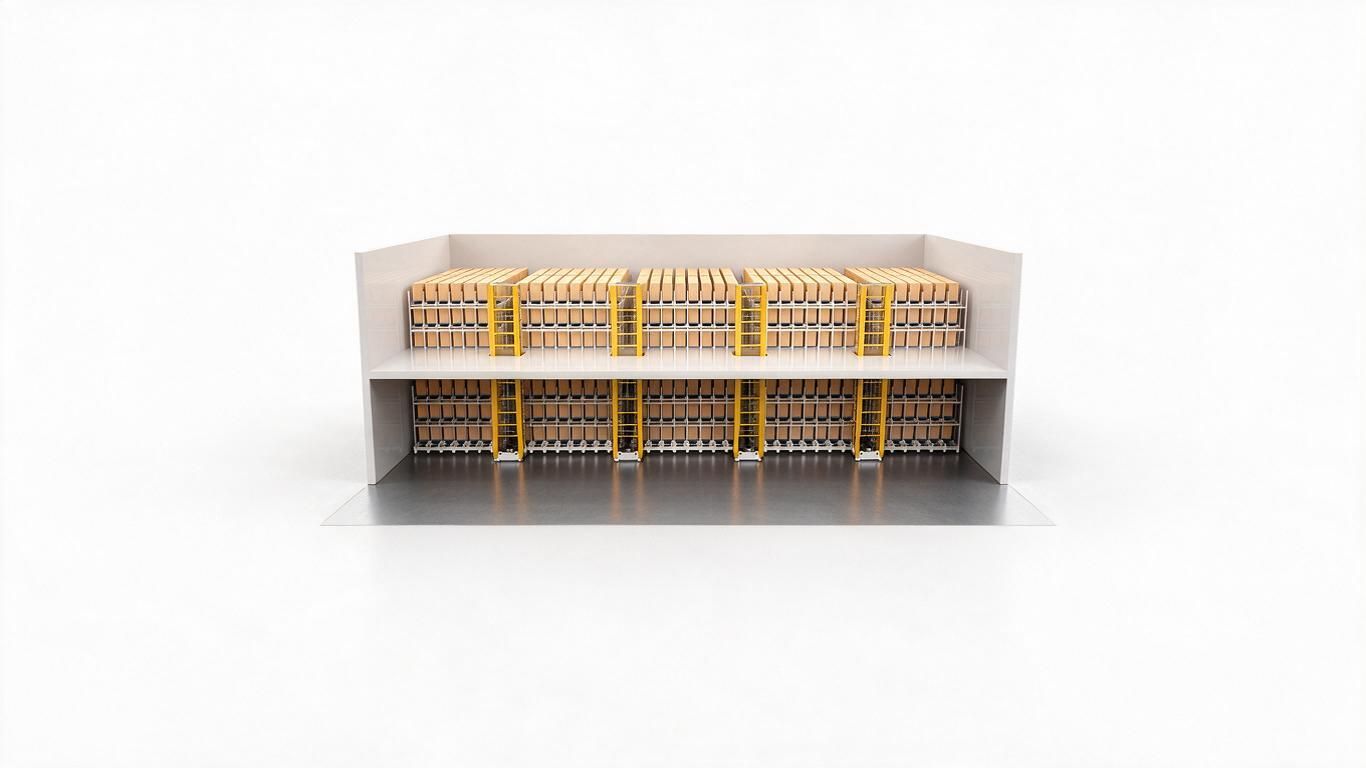
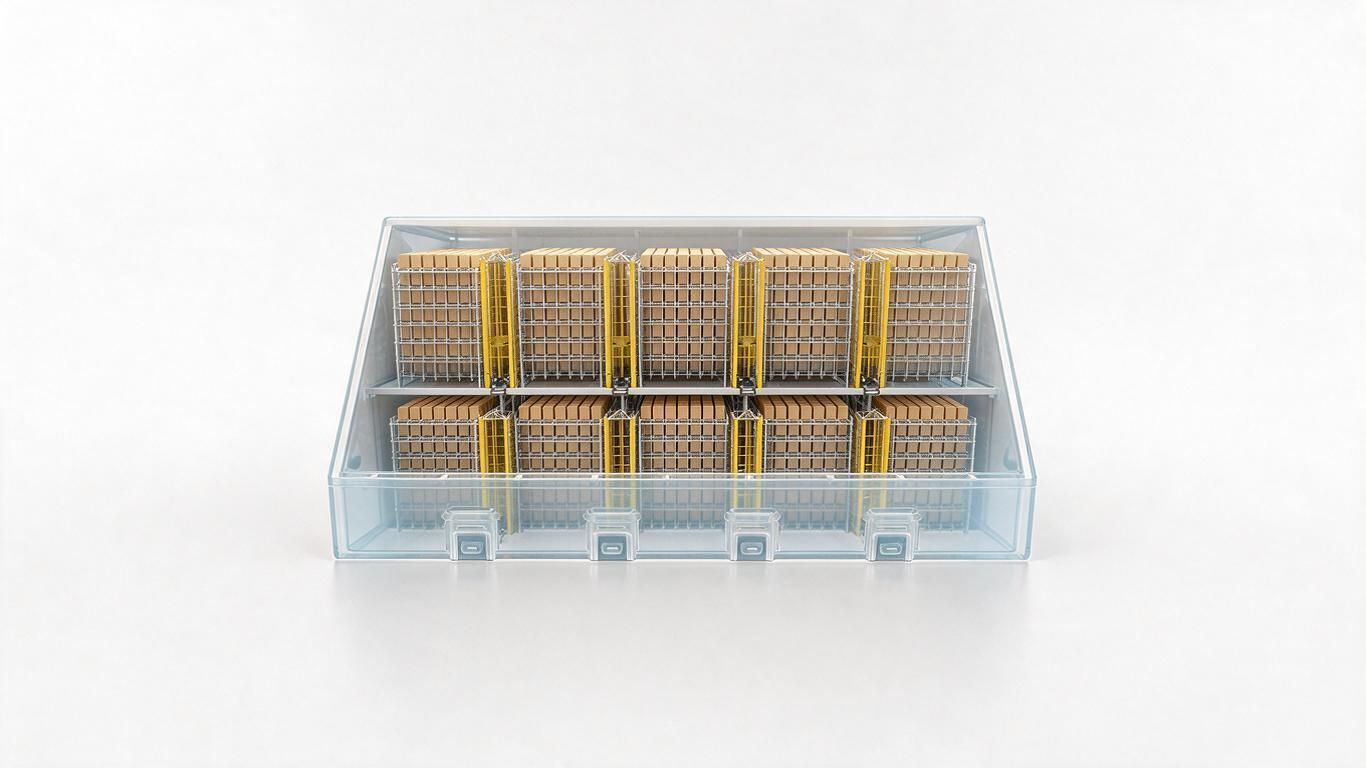
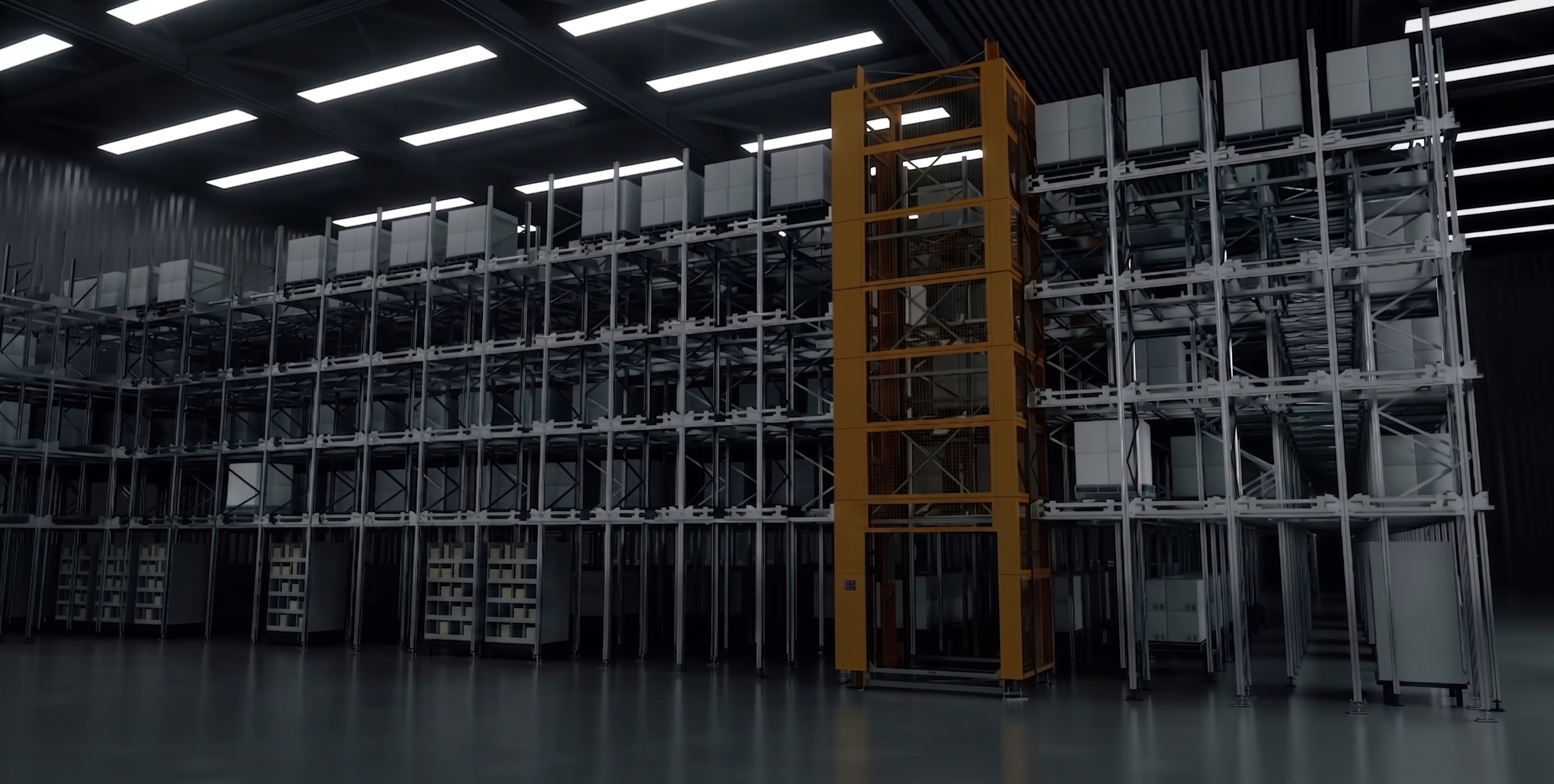
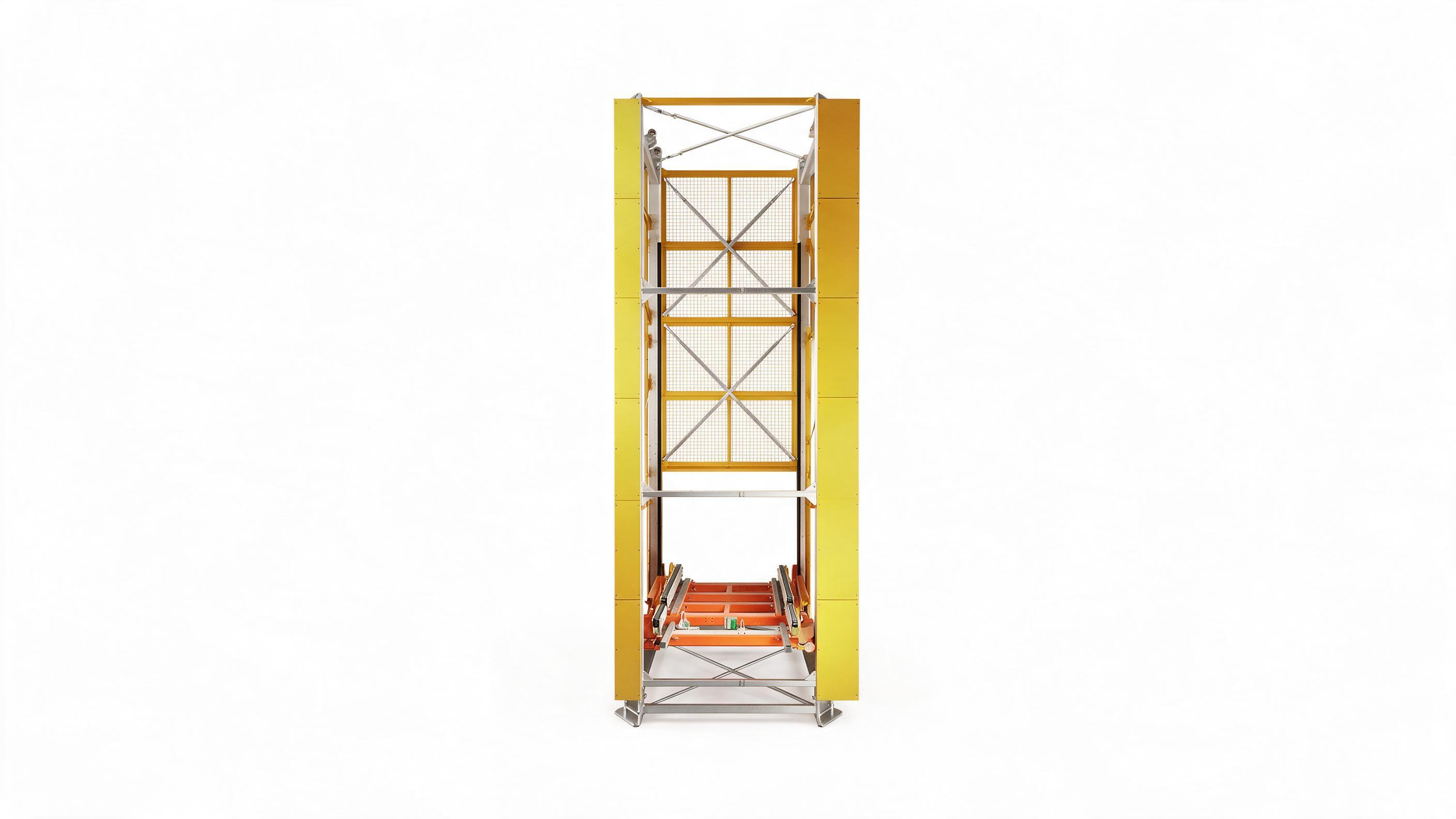
A high-bay automated storage system can store more goods in the same footprint, update inventory information in real time, and improve operating efficiency. Employees no longer need to enter areas that are dark, cold, or exposed to toxic substances. Reducing the need for people to work inside the storage area can improve safety and help maintain productivity during pandemic-related disruption. Four-way pallet shuttles are a newer option for high-density storage: they can replace parent–child shuttle systems and complement stacker cranes and high-reach forklifts.
The ZS Robotics R&D team has spent a decade developing intelligent warehousing technology. Its goal is to build more stable, durable, and adaptable four-way pallet shuttles, together with the equipment and software that support them.
Source note: The published Chinese page contains the introduction and advantages 2, 4, and 6. The text for advantages 1, 3, and 5 is unavailable in the source materials, so the original numbering is retained below.
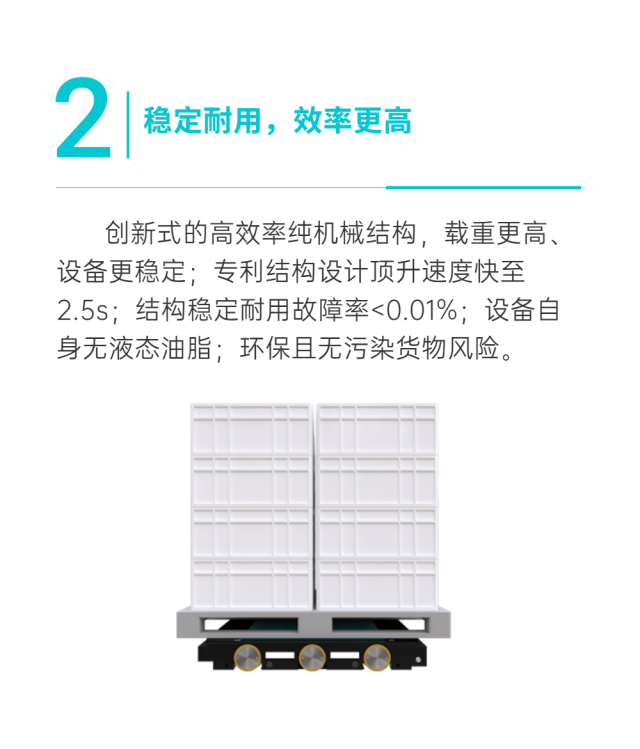
2. A More Stable, Durable Shuttle That Works Faster
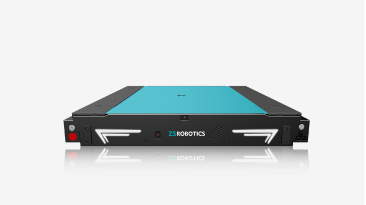
An all-mechanical design gives the shuttle higher payload capacity and greater stability. Its patented lifting mechanism can raise a load in as little as 2.5 seconds. ZS Robotics cited a failure rate below 0.01%. The shuttle contains no liquid oil or grease, eliminating that source of potential contamination of stored goods.
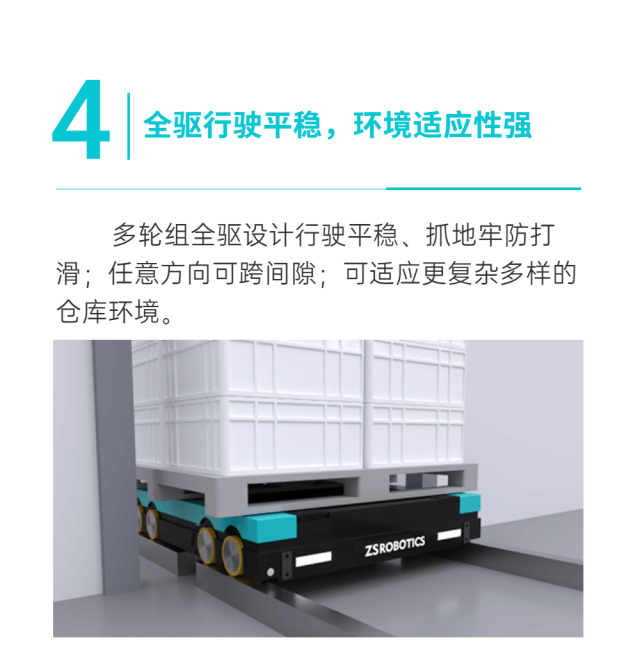
4. All-Wheel Drive for Smooth Travel in Different Warehouse Layouts
Multiple driven wheel sets give the shuttle stable travel and firm traction to prevent slipping. It can cross gaps in any direction and operate in more complex warehouse layouts.
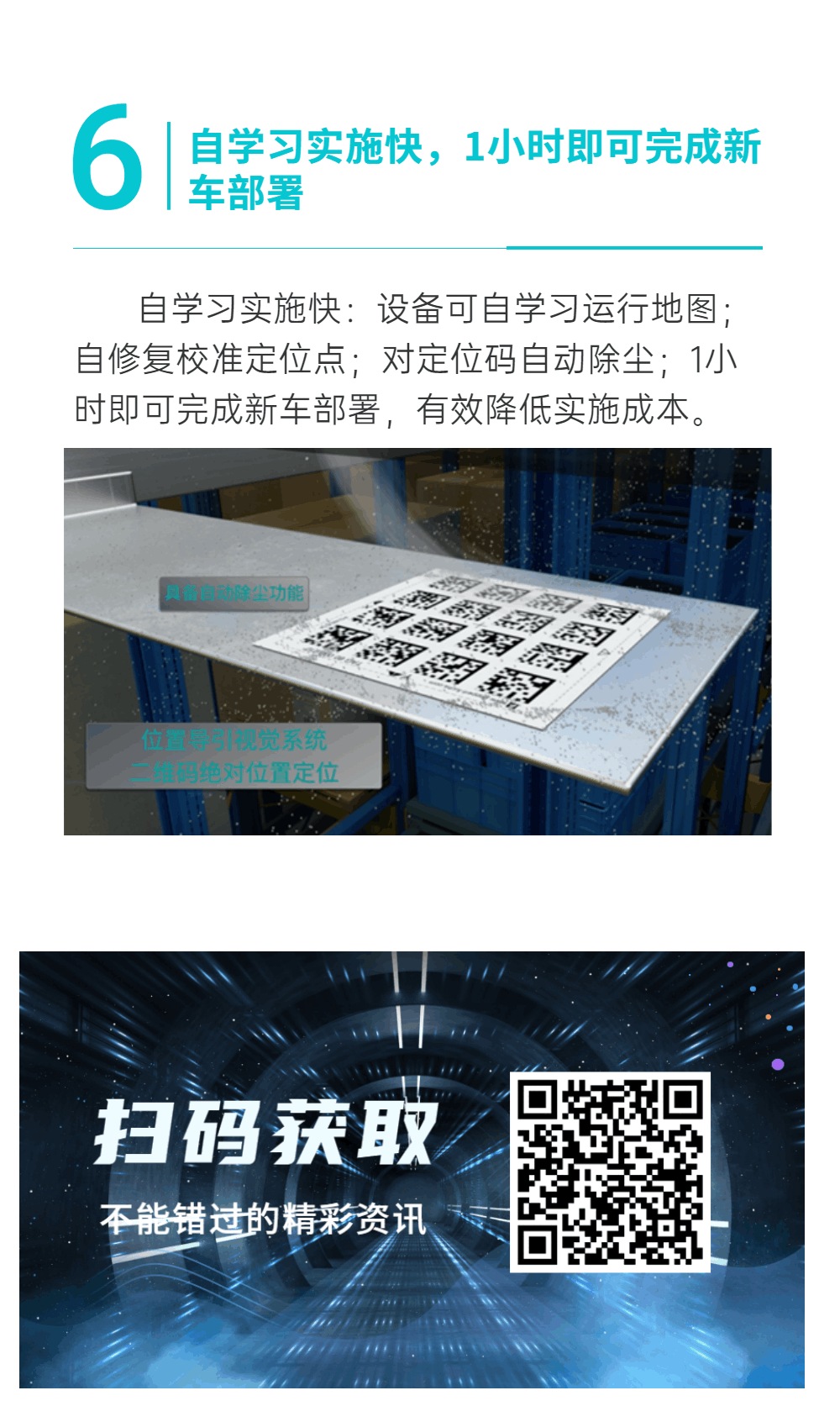
6. A Self-Learning Shuttle That Can Be Deployed in One Hour
The shuttle can learn its operating map, automatically correct and recalibrate positioning points, and remove dust from the codes it uses for positioning. The vision guidance system reads QR codes to determine its absolute position. ZS Robotics said a new shuttle can be deployed in one hour, reducing implementation costs.
