









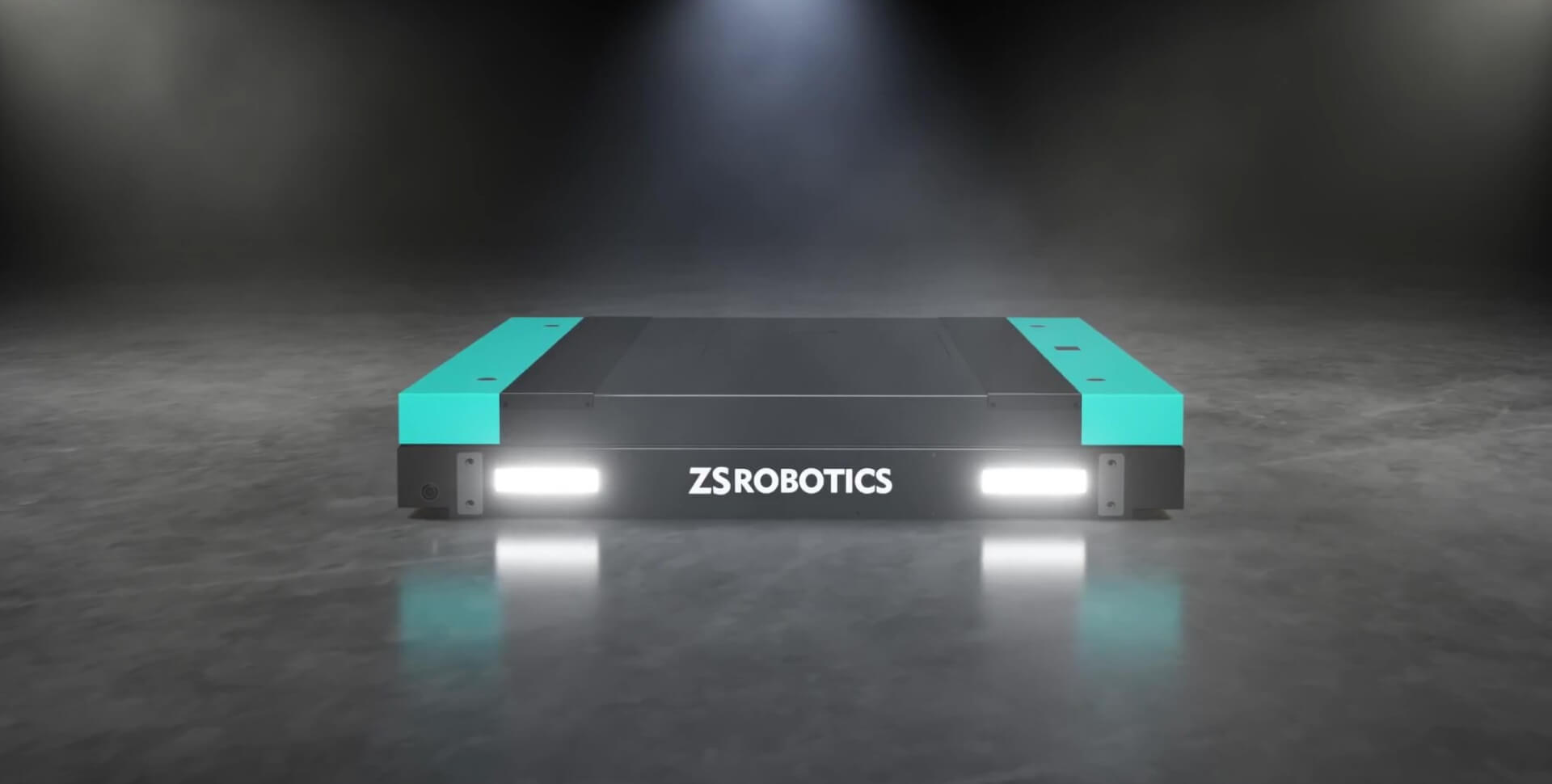
ZS Robotics WMS: A Simpler, Faster Way to Run Warehouse Operations
News
2022/12/30
ZS Robotics




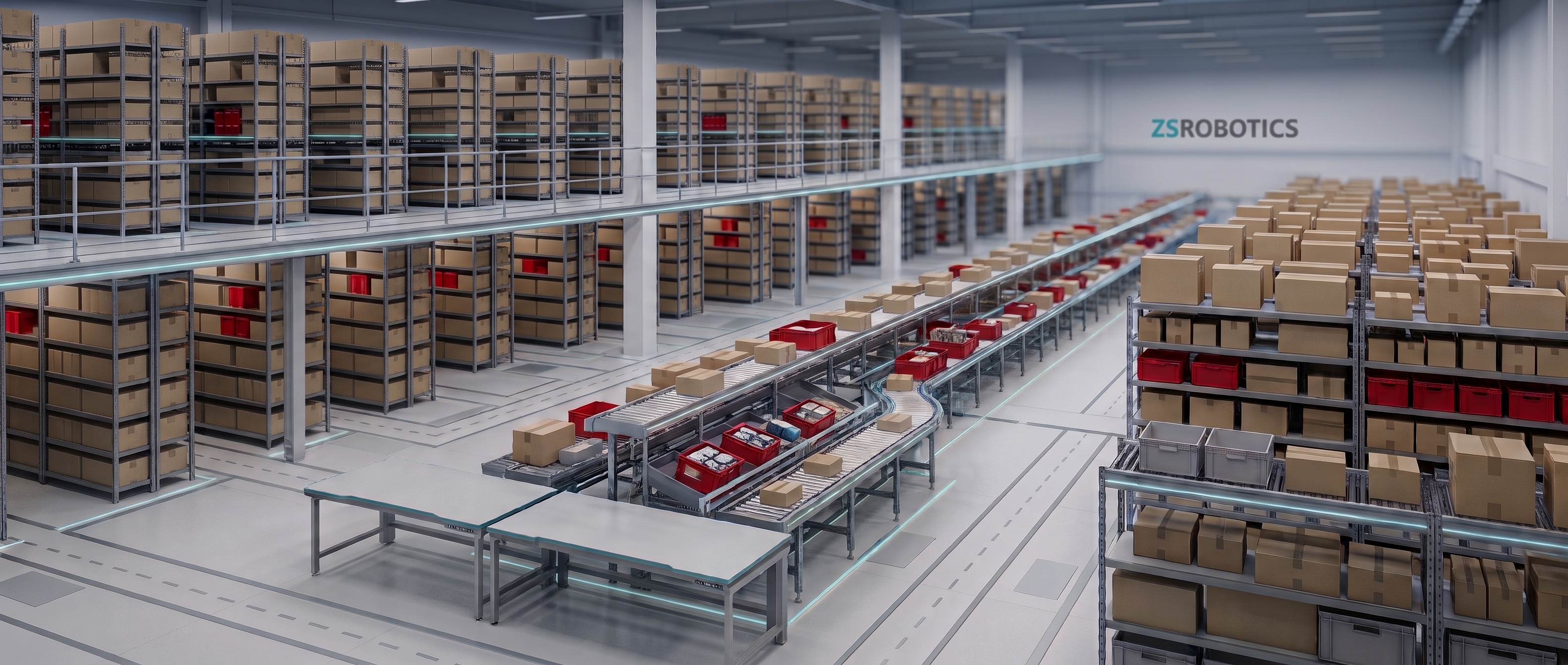
ZS Robotics designed its warehouse management system (WMS) around four priorities: convenience, speed, simplicity, and visibility. The aim was to give operators an interface they could use with minimal training, while letting customers configure the rules that govern warehouse operations.

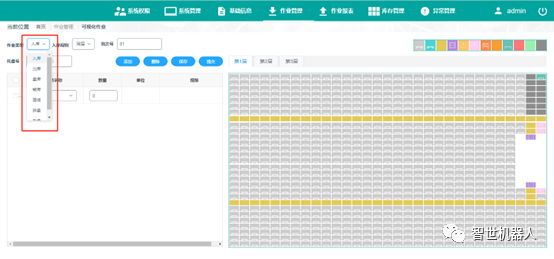
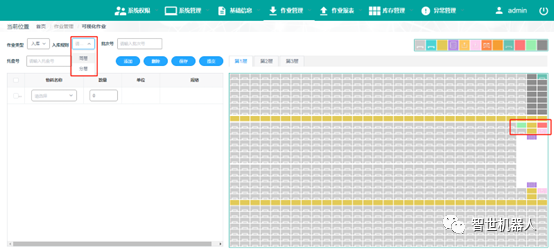
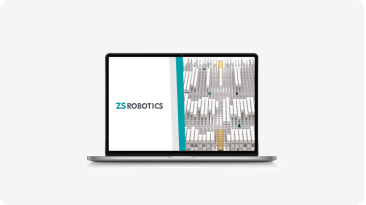
Traditional warehouse management systems are built around transaction documents. Operations can involve many steps, data can be difficult to interpret, and operators often need more training. ZS Robotics' WMS is built around the task itself, with a document-free data structure. Operators can view and carry out inbound, outbound, stocktaking, and stock transfer tasks on a storage location map. The map sits on the right side of the interface and uses a different color for each task type.
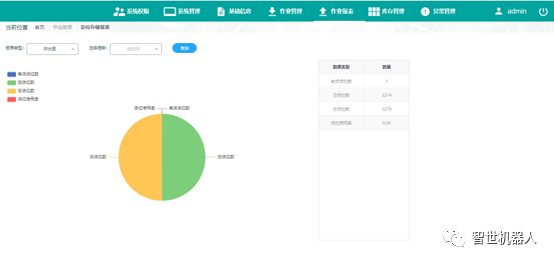
The WMS includes a suite of visual reports so operators can see what is happening as it happens. The reports show live inbound and outbound activity and the status of storage locations, and they can display data in several chart formats.
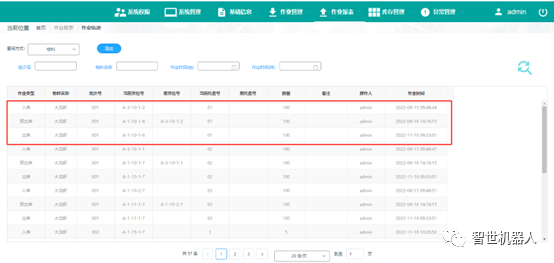
Traceability is just as important. In an automated warehouse, pallets move without manual intervention, so the system must be able to trace every change in status from receiving to dispatch. The WMS reporting module lets users follow each pallet's operational history in real time.
Traditional WMS platforms often use fixed rules for inbound and outbound work. Even when those rules can be changed through configuration tables, they can be difficult to understand and adjust. Today's operations need rules that are easier to see and adapt.
ZS Robotics' WMS offers several inbound and outbound rule options, plus an open, visual way to configure them for automated operations. After selecting a rule, an operator can manually adjust the storage locations the system has assigned directly on the map.