







ZS Robotics Case Study: A Heavy-Duty, High-Density Warehouse for Drill Core Samples
News
2021/11/30
ZS Robotics




1. Project Overview
1.1 The Storage Requirement
As the number of exploration, appraisal, and development wells grew, the existing warehouse could no longer accommodate the expected volume of drill cores and cuttings. The expansion was planned to keep samples from the exploration area organized and properly preserved.
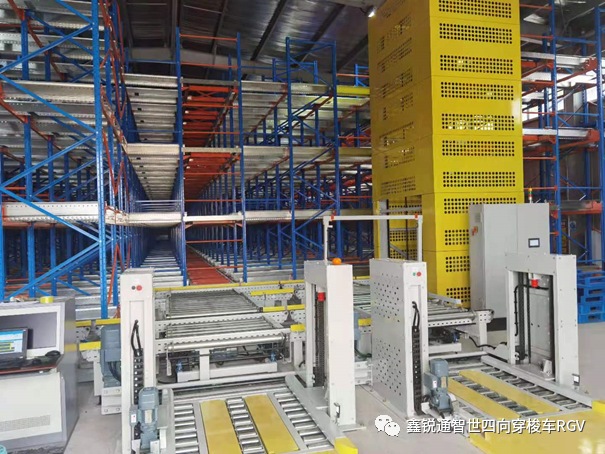
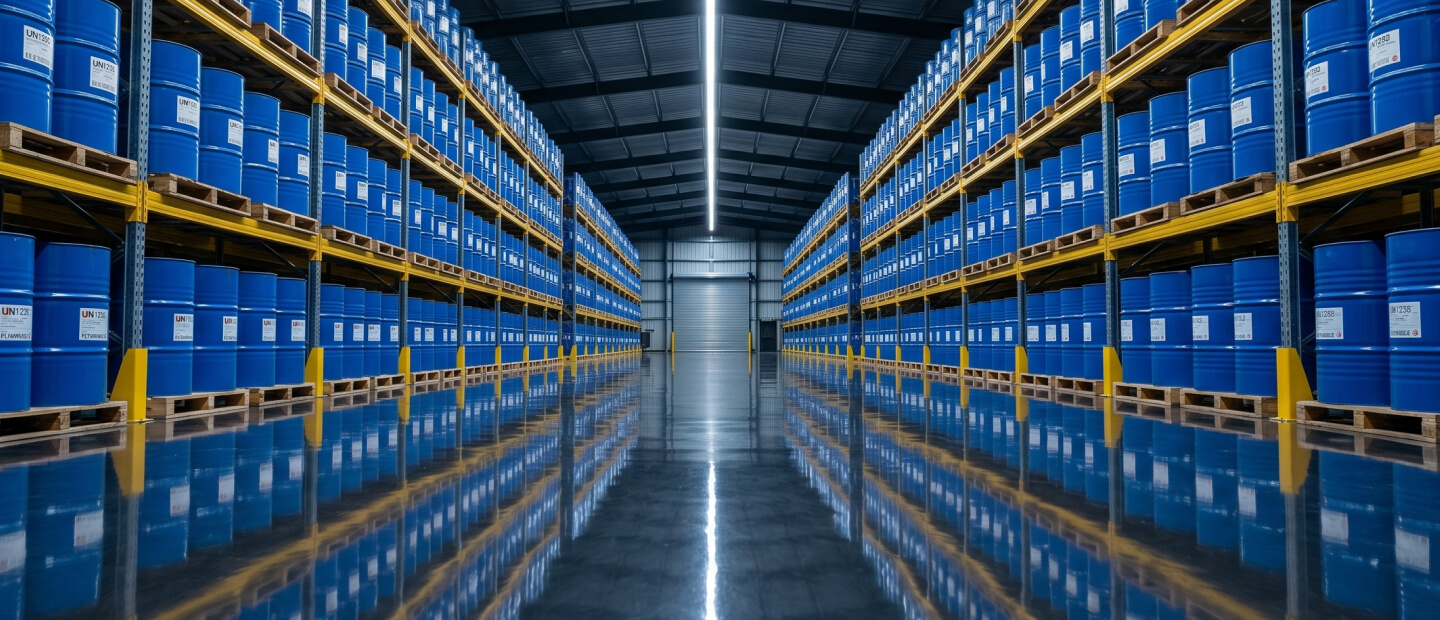
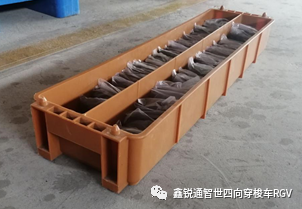
The project called for an automated racking system inside the existing 47 × 21 × 6.7 m warehouse. It was designed to store more than 35,000 core boxes. Each box accommodates a 2 m length of core and weighs 50–60 kg when full.
The scope covered design and implementation of the automated racking, storage and retrieval equipment, core boxes and pallets, and the control and monitoring systems. It included commissioning, training, technical documentation, and one year of maintenance at no additional charge. The project also required the system and supporting equipment to operate in the designated environment and share and display relevant data.
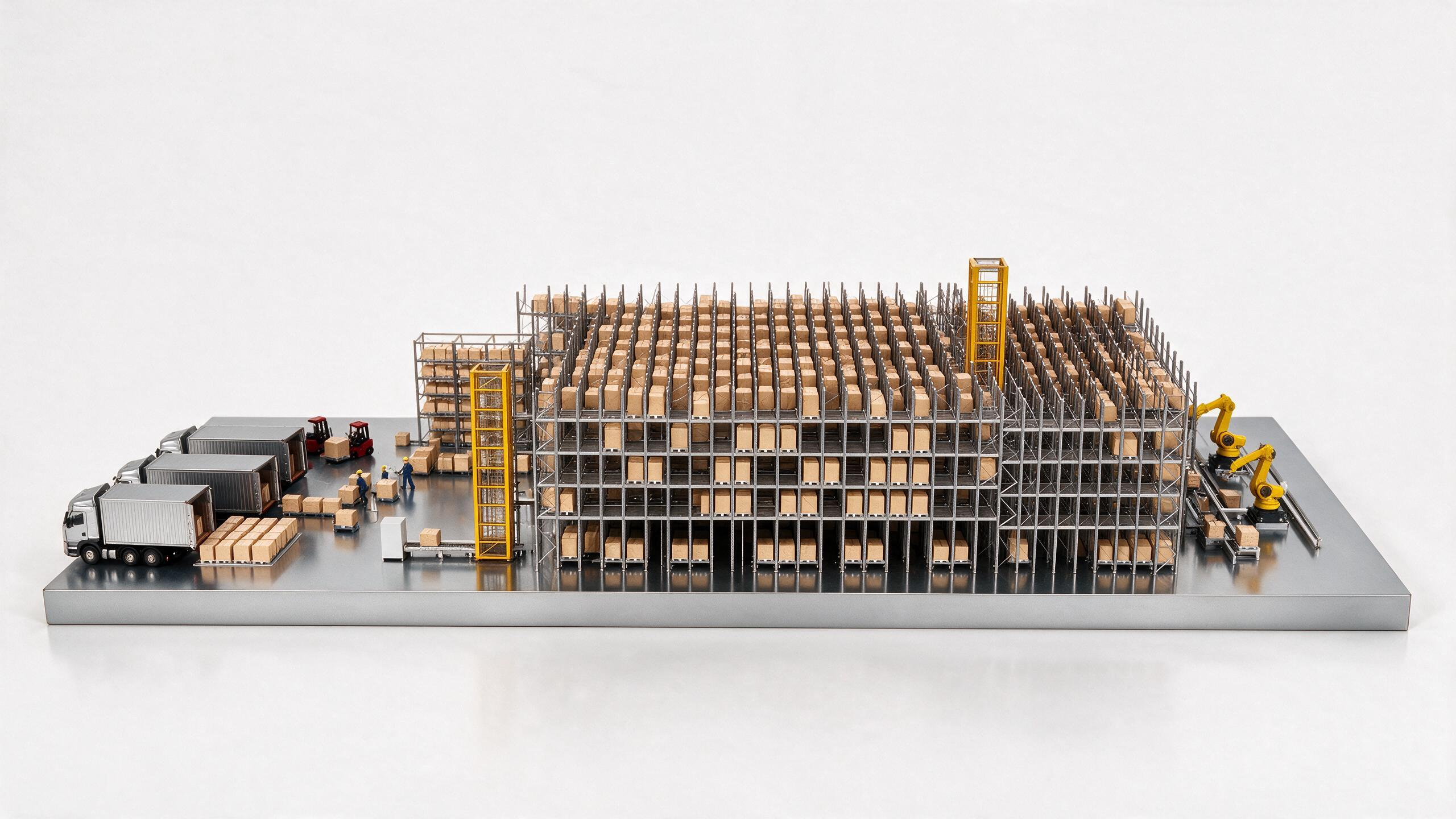
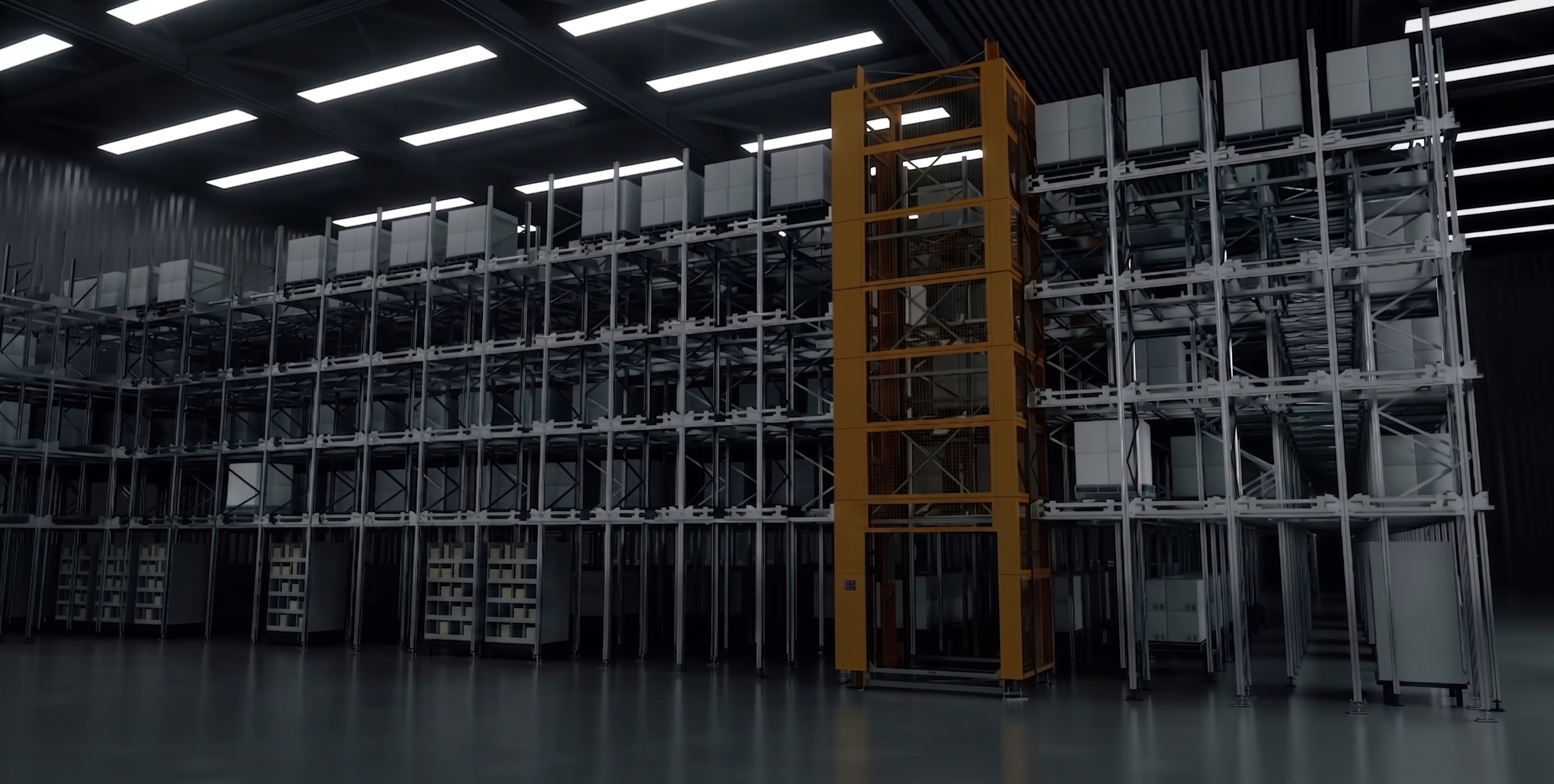
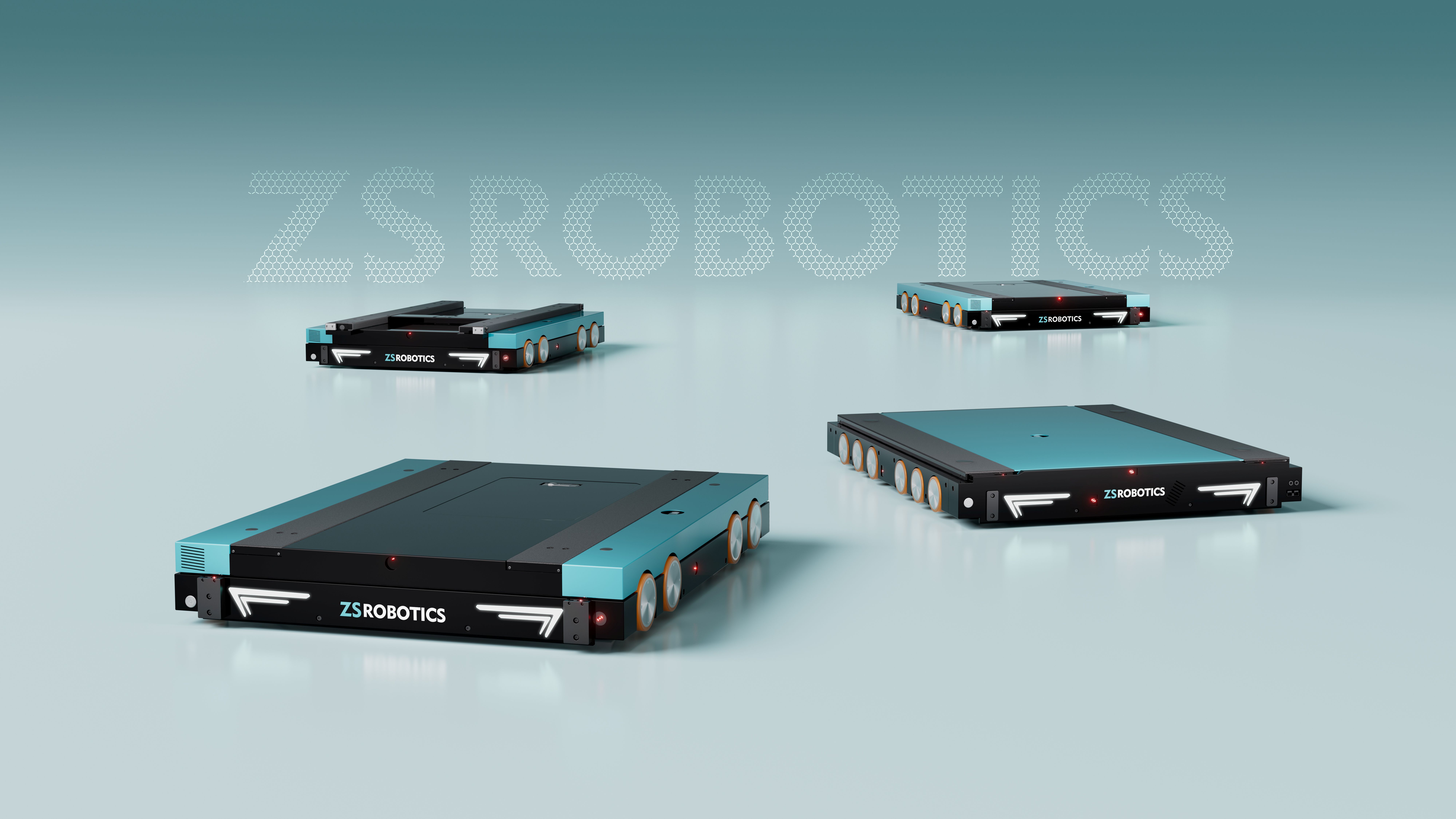
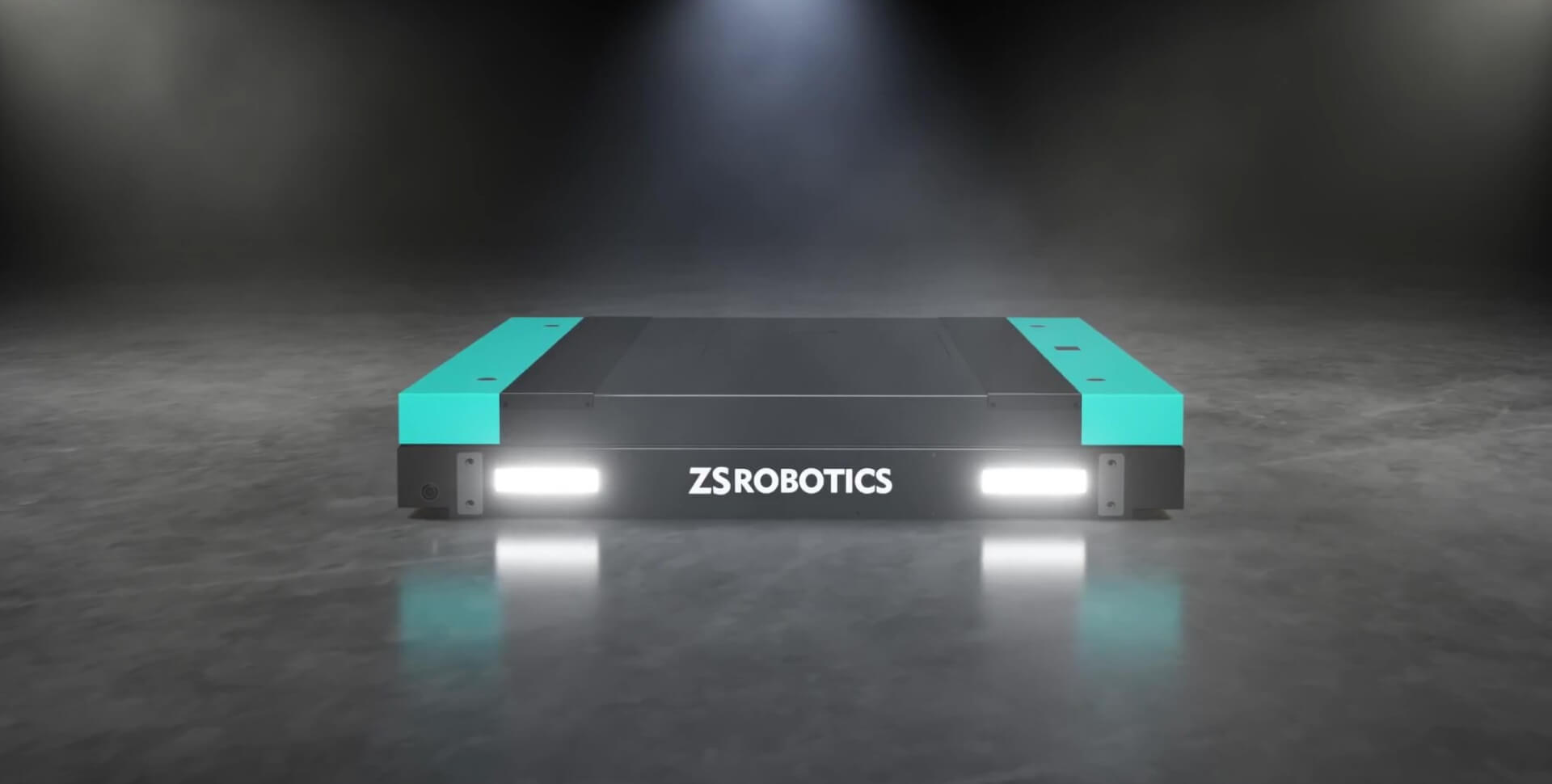
Forklifts move loads to and from the system's transfer points. Conveyors, a vertical lift, and four-way pallet shuttles handle automated receipt, storage, and retrieval. Management and control software links material movements to their data records and supports digital inventory management.
1.2 Site Conditions
- Single-phase supply: 220 V ± 22 V, 50 Hz ± 1 Hz.
- Three-phase supply: 380 V ± 38 V, 50 Hz ± 1 Hz.
- Operating temperature: ambient.
1.3 Materials and Load Units
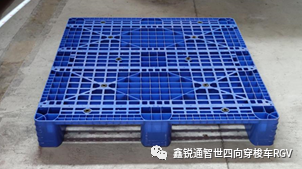
Pallets carry plastic boxes containing drill cores, cuttings, and other physical samples. The source gives palletized dimensions of 1,200 × 1,100 × 1,100 mm, including the pallet height, and a maximum gross load weight of 1,400 kg.
2. System Design
2.1 Overall Layout
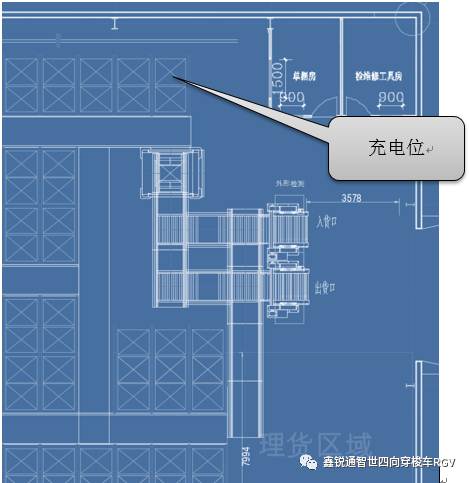
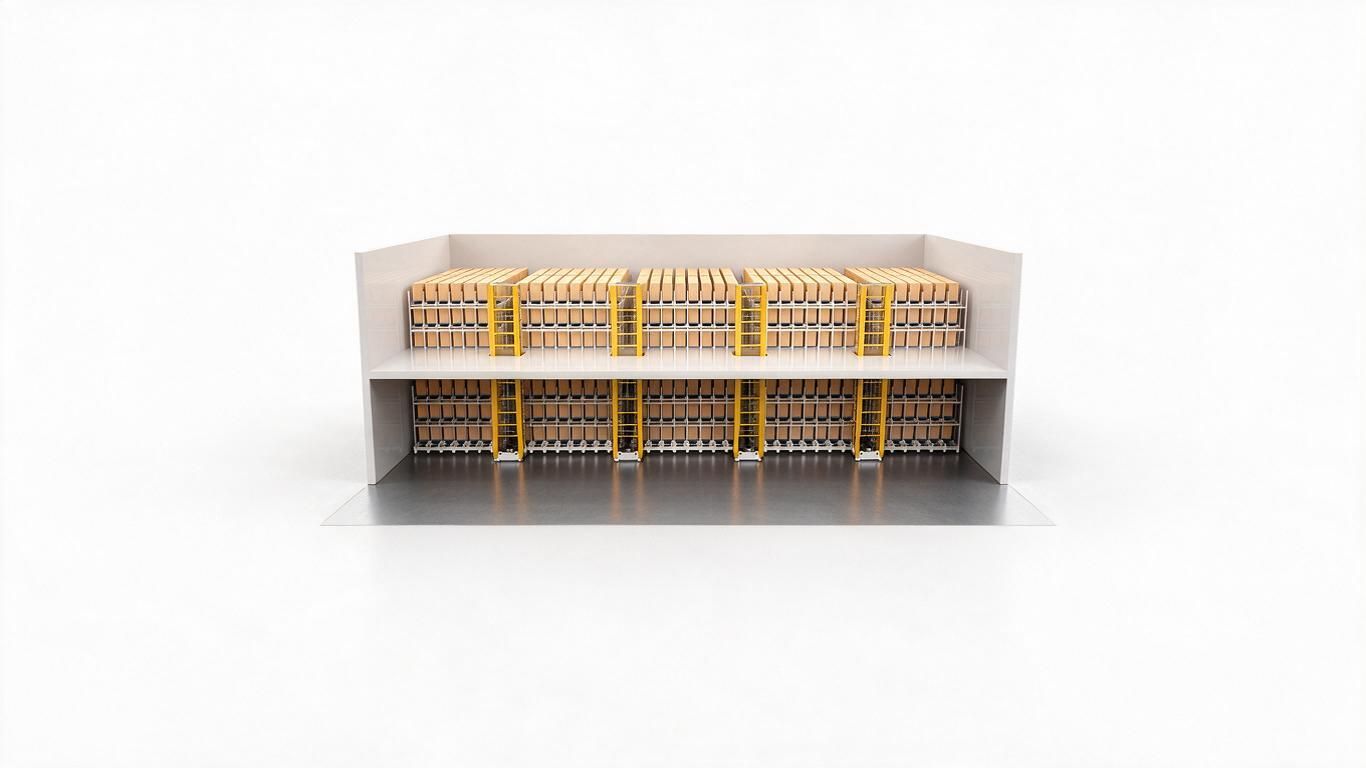
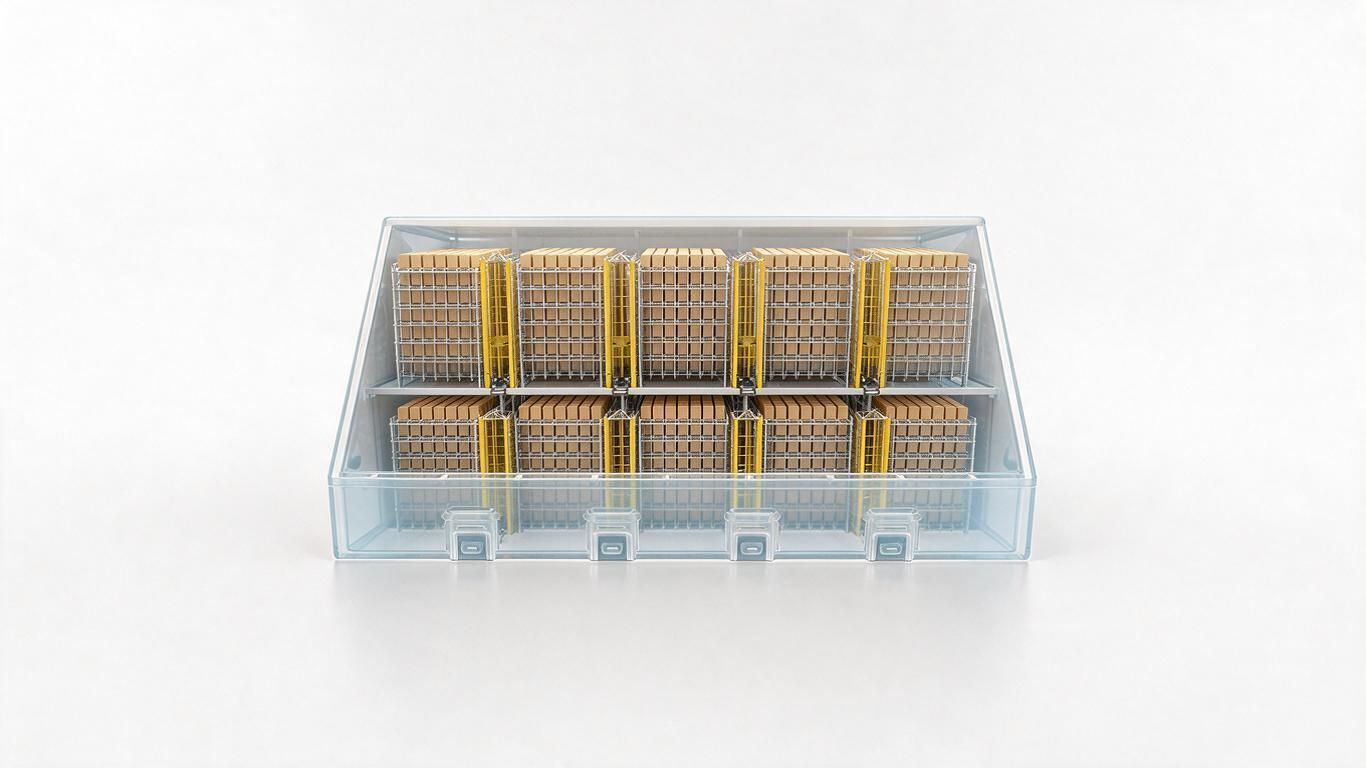
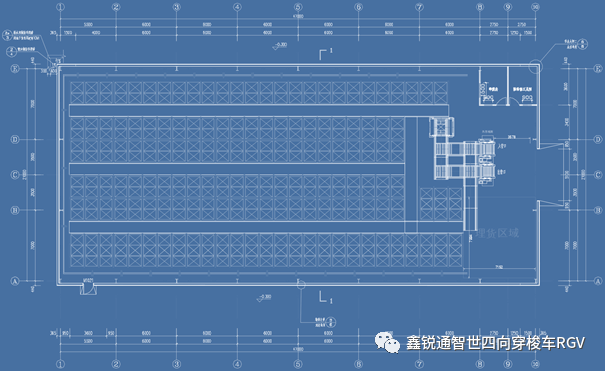
The layout provides 1,304 usable storage positions for up to 36,512 core boxes. It uses two four-way pallet shuttles and their rails, one vertical lift, and pallet conveyors. Dimension-checking equipment and a fixed barcode reader at the transfer point support automated storage and retrieval.
2.2 Racking and Operating Workflow
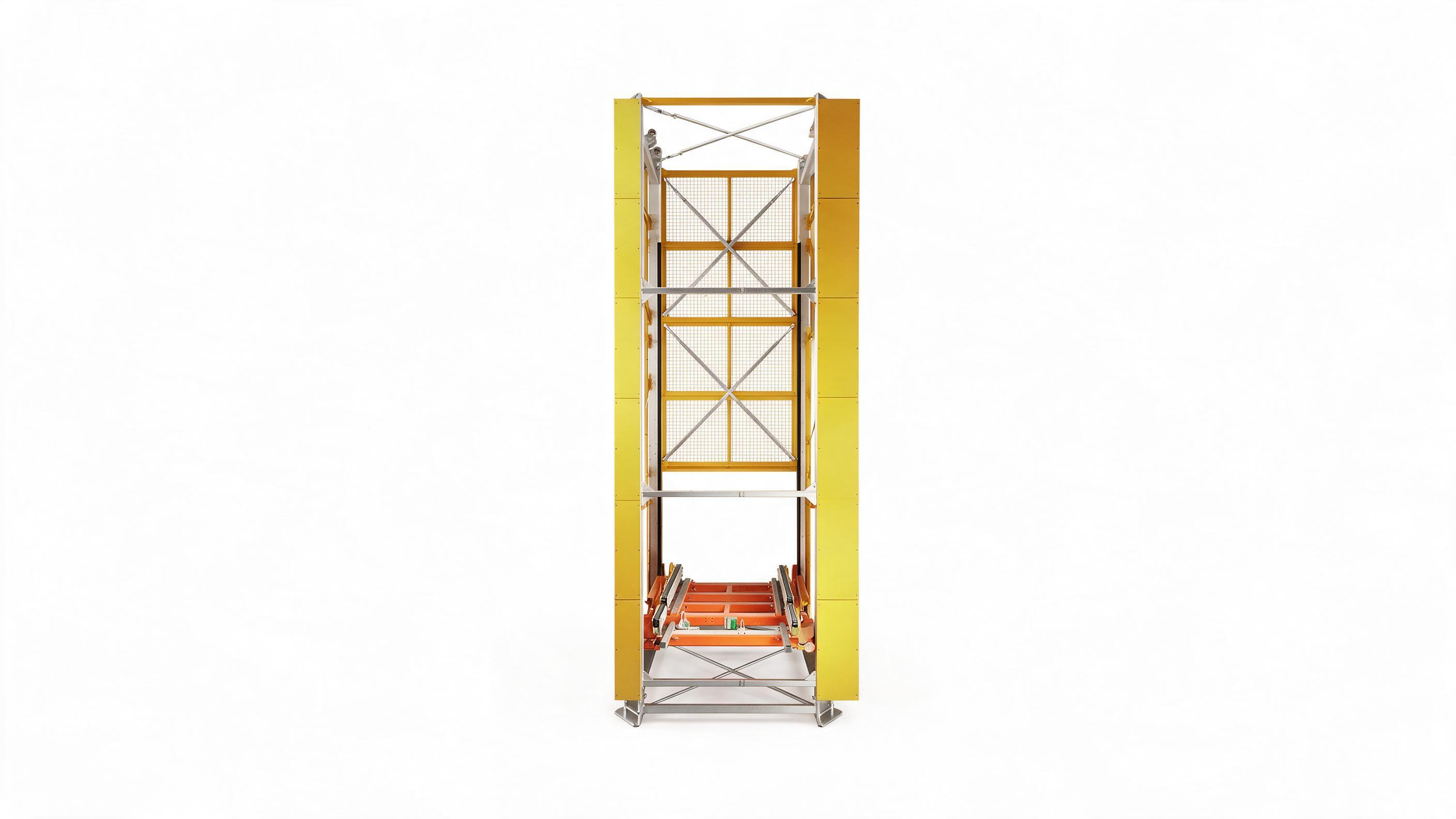
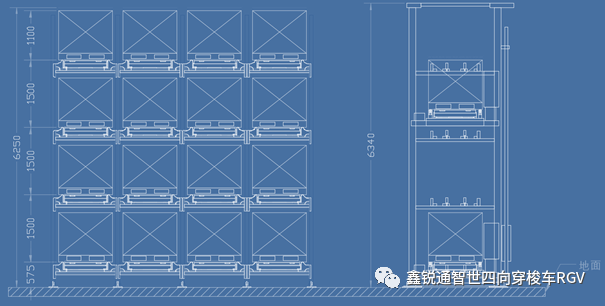
The rack design has four levels. The rack-layout section of the source lists a stored load of 1,200 × 1,000 × 1,100 mm and a stacked load height of 1,100 mm. The rack elevation is approximately 6,250 mm. The lift requires at least 165 mm of clearance above the storage position, and pallets are set back at least 150 mm from the end of each aisle. A chain conveyor and shuttle rails inside the lift allow independent handling of the shuttle and its load.
Inbound. Operators barcode the material and scan both the item and pallet codes with a handheld terminal to associate them during palletizing. A forklift places the pallet on the inbound conveyor. The system checks its dimensions and reads its barcode. Rejected loads go back to the staging area for adjustment or to a separate inspection area. Accepted loads proceed to the lift.
The warehouse management system (WMS) issues a storage task. The warehouse control system (WCS) dispatches a shuttle to lift the load from beneath the lift transfer conveyor. The shuttle takes it to the assigned location. If the location is on an upper level, the lift takes the load to the specified level and a shuttle on that level puts it away.
Outbound. The WMS issues a retrieval task to the WCS. The WCS sends a shuttle to the storage location and calls the lift to that level. After lifting the load, the shuttle enters the lift transfer position, lowers it onto the conveyor, and exits. The lift brings the load to the ground level, and the outbound conveyor moves it to the forklift pickup point.
Shuttle charging. The charging area is near the lift at the end of a row. Once the battery reaches the configurable low-charge limit, the shuttle completes its active task and moves to the charging position. The system checks the remaining charge before assigning new work. It can also send an idle shuttle to charge or let it enter sleep mode in place during a short idle period.