















Routine Care and Inspection for a Four-Way Pallet Shuttle
News
2021/12/28
ZS Robotics




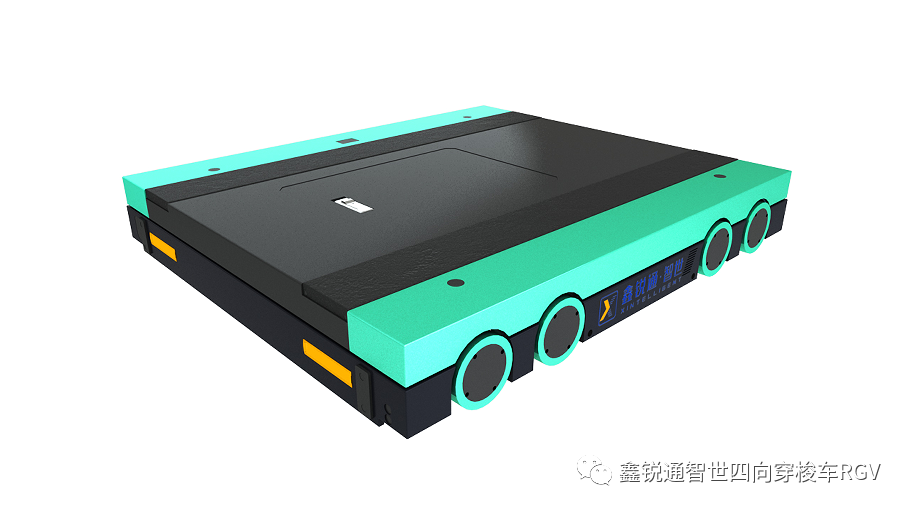
Scheduled cleaning, preventative maintenance, and inspection help keep a four-way pallet shuttle in good working condition and reduce the risk of unexpected faults. The practices below come from ZS Robotics' 2021 maintenance article and refer to the equipment covered by that article.
1. Cleaning
Clean sensors, travel wheels, and the lifting plate regularly. Clear dust from sensors and remove foreign material from sensor openings. In a dusty warehouse, the article recommends quarterly cleaning, or more often if conditions require it. Remove dust and debris from covers, the lifting plate, and other exterior surfaces about once a quarter.
For internal cleaning after a year of use, the article describes placing the shuttle on a suitable platform and removing its battery. Use a low-power vacuum with a flexible hose to remove dust and debris, and a soft cloth for anything the vacuum cannot reach.
2. Preventative Maintenance
Inspect the exterior, sensors, travel wheels, and indicator lights regularly. Use the correct replacement parts and preserve the original component design. Check for accumulated dirt around motors, relays, the programmable logic controller (PLC), drives, and mechanical components.
3. Routine Inspection
The regular inspection program also covers the racking and rails. The article lists these checks for the shuttle itself:
- Inspect the exterior for impact damage, deformation, or cracks.
- Power on the shuttle for the indicator check and verify that each external sensor's indicator lights up as expected.
- Check fasteners and collision switches for looseness.
- Check the upper and lower body sections for dimensional deviations.
- Inspect drive couplings for movement or looseness.
- Check the travel wheels on all four sides. Replace wheels when the rails have caused substantial pitting or damage to the polyurethane tread.
4. Wheels, Charging Stations, and Batteries
Travel wheels are wear parts. Their service life depends in part on how the rail joints are installed. In frequent use they may need replacement after around two years. Make the decision based on the condition of the polyurethane tread.
Inspect the charging station's relays and fuses. During charging, check the charger indicator, watch for abnormal behavior, and look for signs of melting at the connections. Inspect batteries for casing deformation and plugs for looseness, melting, or other damage.
Keep batteries away from heat sources. Handle them carefully to avoid drops, and store them in a dry, well-ventilated area away from humidity and high temperatures. The original article recommends removing the battery when the shuttle is out of use and charging it monthly during storage. It says that one to two hours is normally sufficient for that storage charge. The spare-battery interval is given as 45 with conflicting time units in the Chinese text. Prolonged storage can cause deep discharge and battery sleep, which may require reactivation before charging.
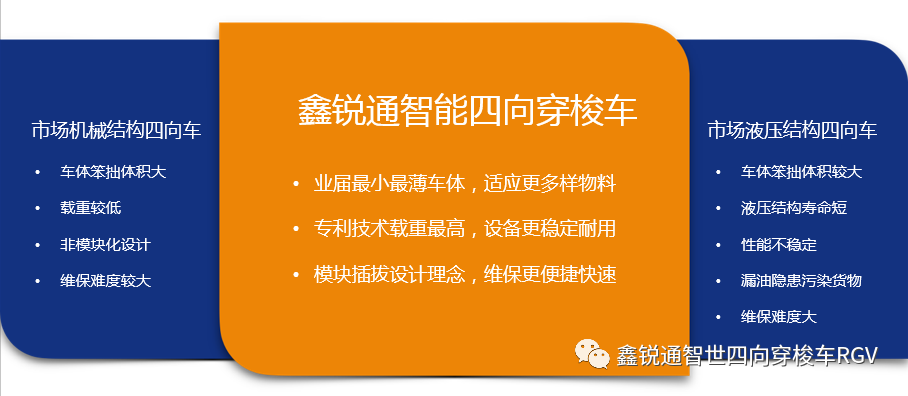
The Xinruitong–ZS shuttle described in the article uses a mechanical lifting mechanism. This removes the need for routine hydraulic oil changes and eliminates hydraulic seal aging as a maintenance concern for that design. Use the current service documentation for the specific model and battery when applying maintenance steps or charging intervals.