







ZS Robotics Case Study: A High-Bay Warehouse for Spare Parts
News
2022/01/27
ZS Robotics




1. Project Overview
1.1 Project Scope
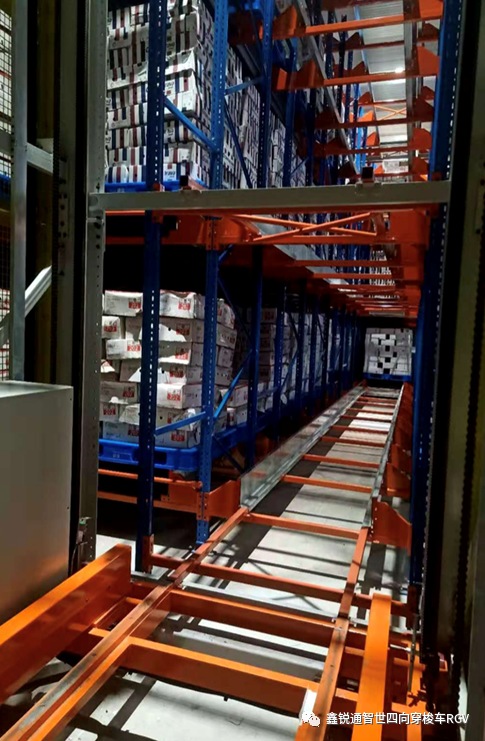
The warehouse was planned as a single implementation to accommodate future growth. The four-way shuttle storage area measured 25 × 8 m and had a stated clear height of 4.75 m. Three rack levels provided 174 usable pallet positions.
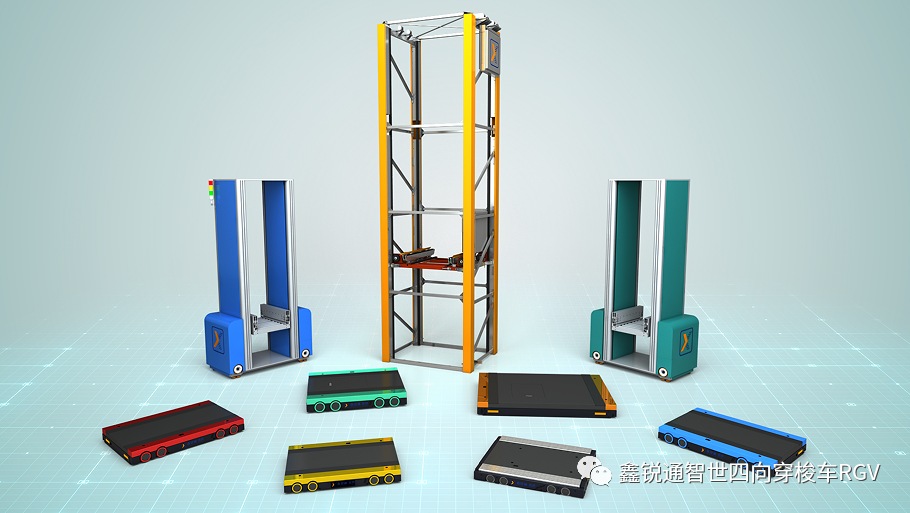
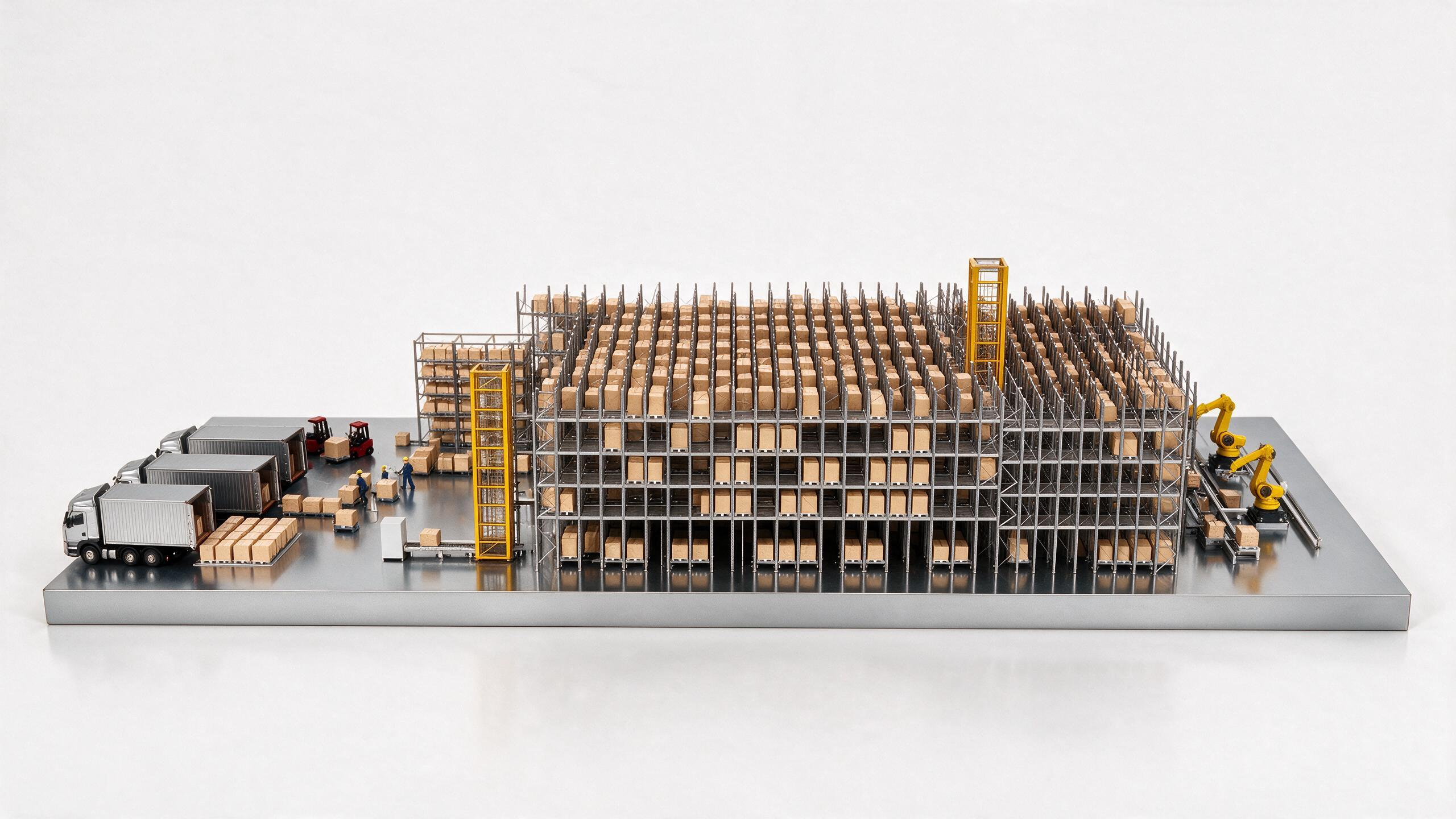
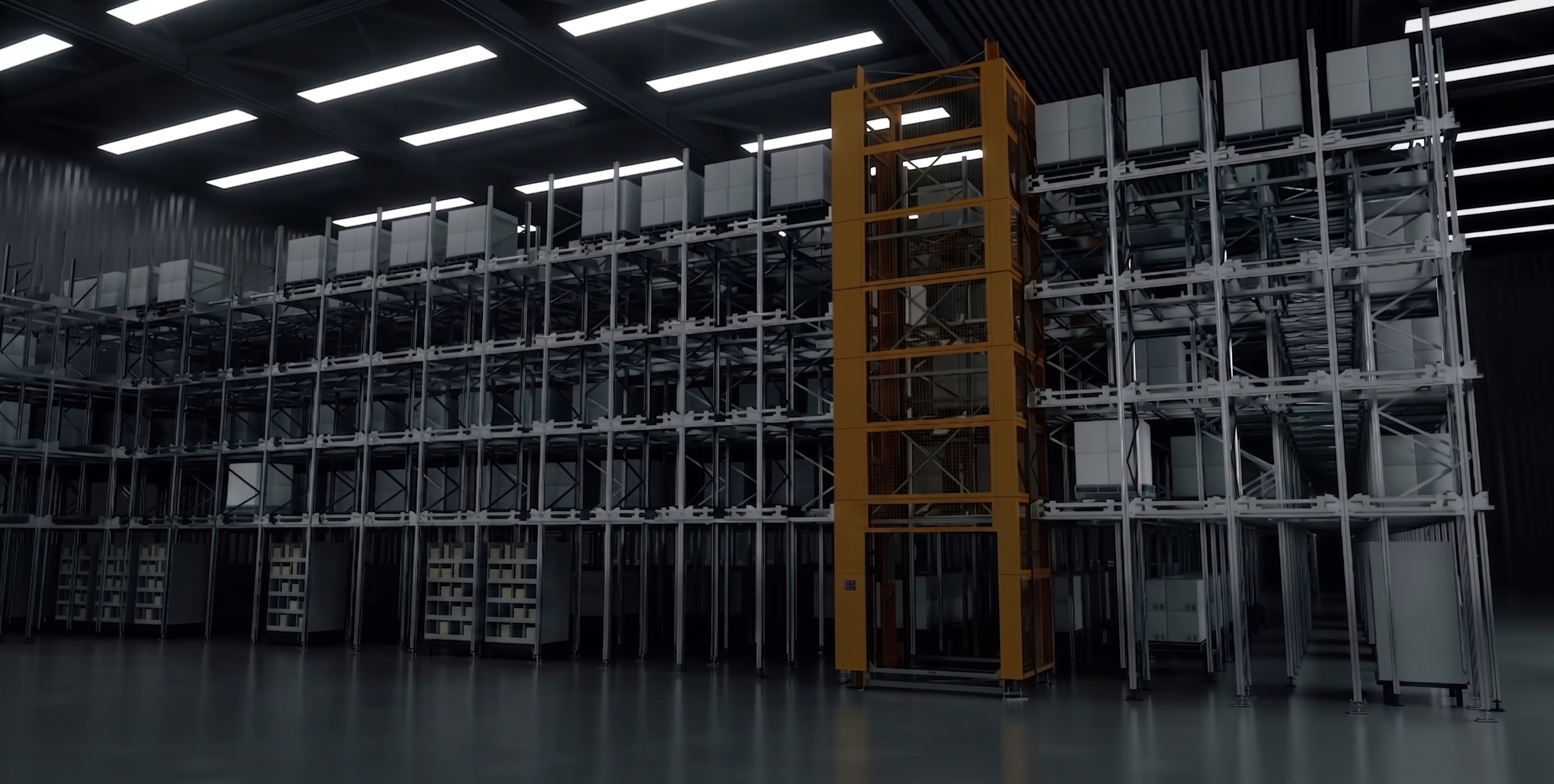
Forklifts bring materials to the input and output stations. Conveyors, a vertical lift, and a four-way pallet shuttle handle the movements needed to receive, store, and retrieve materials. Warehouse management and control software connects the physical movements with their data records and tracks both in real time. The project uses automation to improve operating efficiency and reduce handling costs.
1.2 Site Conditions
- Single-phase supply: 220 V ± 22 V, 50 Hz ± 1 Hz.
- Three-phase supply: 380 V ± 38 V, 50 Hz ± 1 Hz.
- Operating temperature: ambient.
1.3 Design Inputs
- Items: less than 1,200 mm long, 1,000 mm wide, and 650 mm high. Gross weight is below 1,000 kg per unit, including the pallet.
- Pallets: 1,200 × 1,000 × 150 mm (L × W × H), made of plastic, with three parallel runners.
- Warehouse clear height: 4.75 m.
- Storage capacity: 174 usable pallet positions.
- Required throughput: 26 pallets per hour.
2. System Design
2.1 Overall Layout
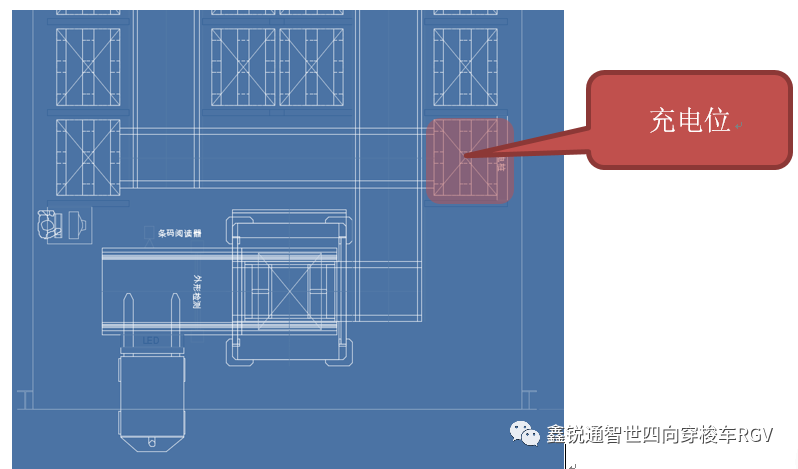
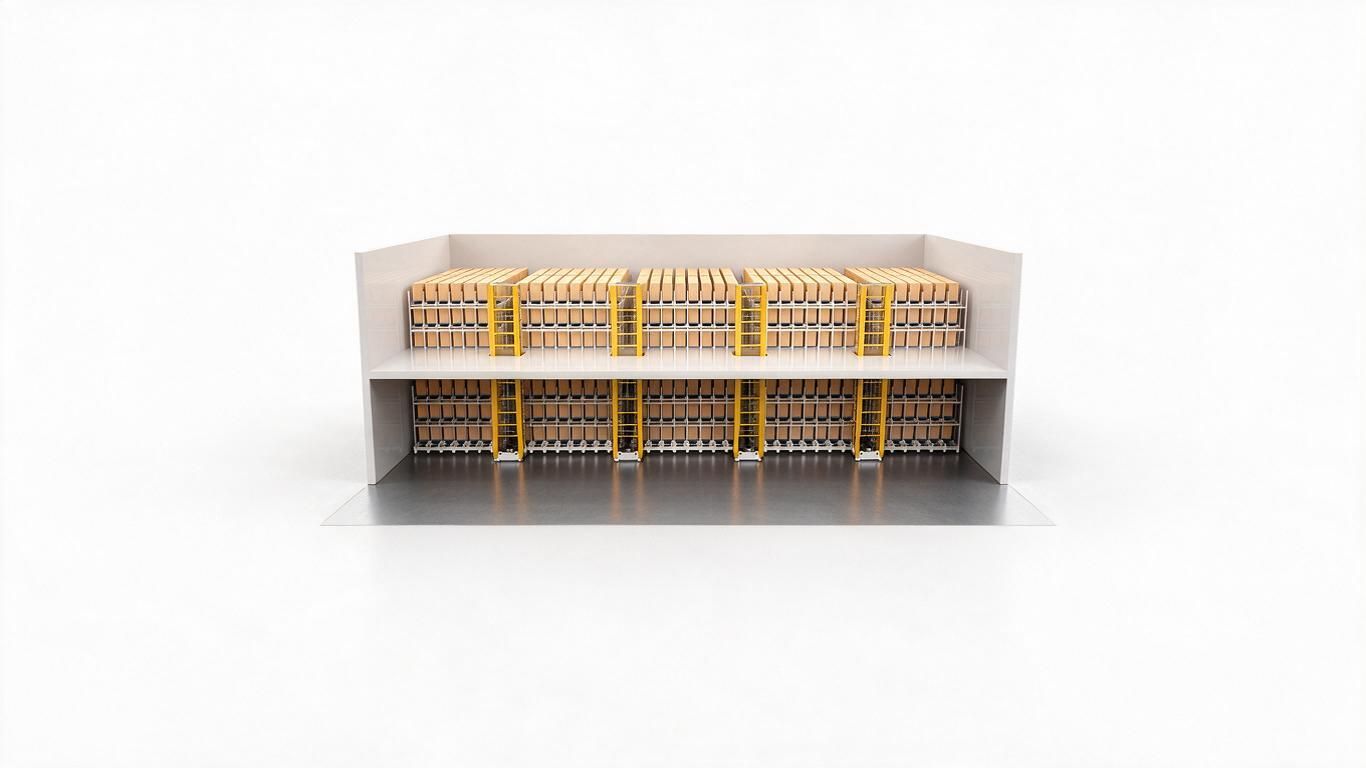
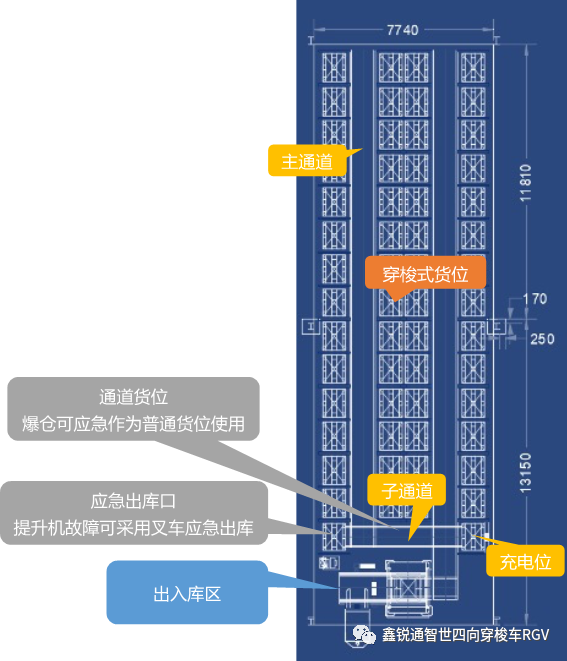
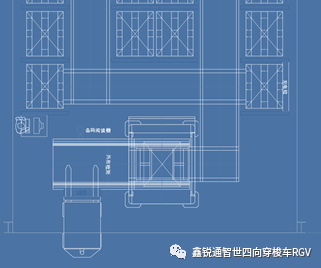
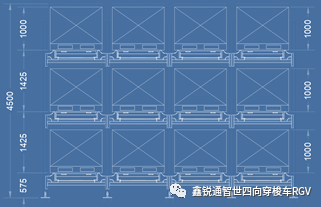
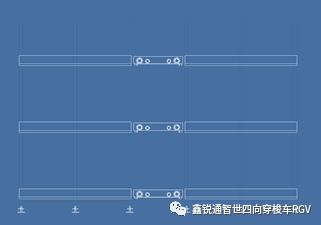
The design includes one four-way pallet shuttle and its rail network, one vertical lift, and pallet conveyors. The input/output point is equipped with a dimension-checking device and a fixed barcode reader. The original article includes a layout and an elevation drawing.
2.2 Rack Layout and Operating Workflow
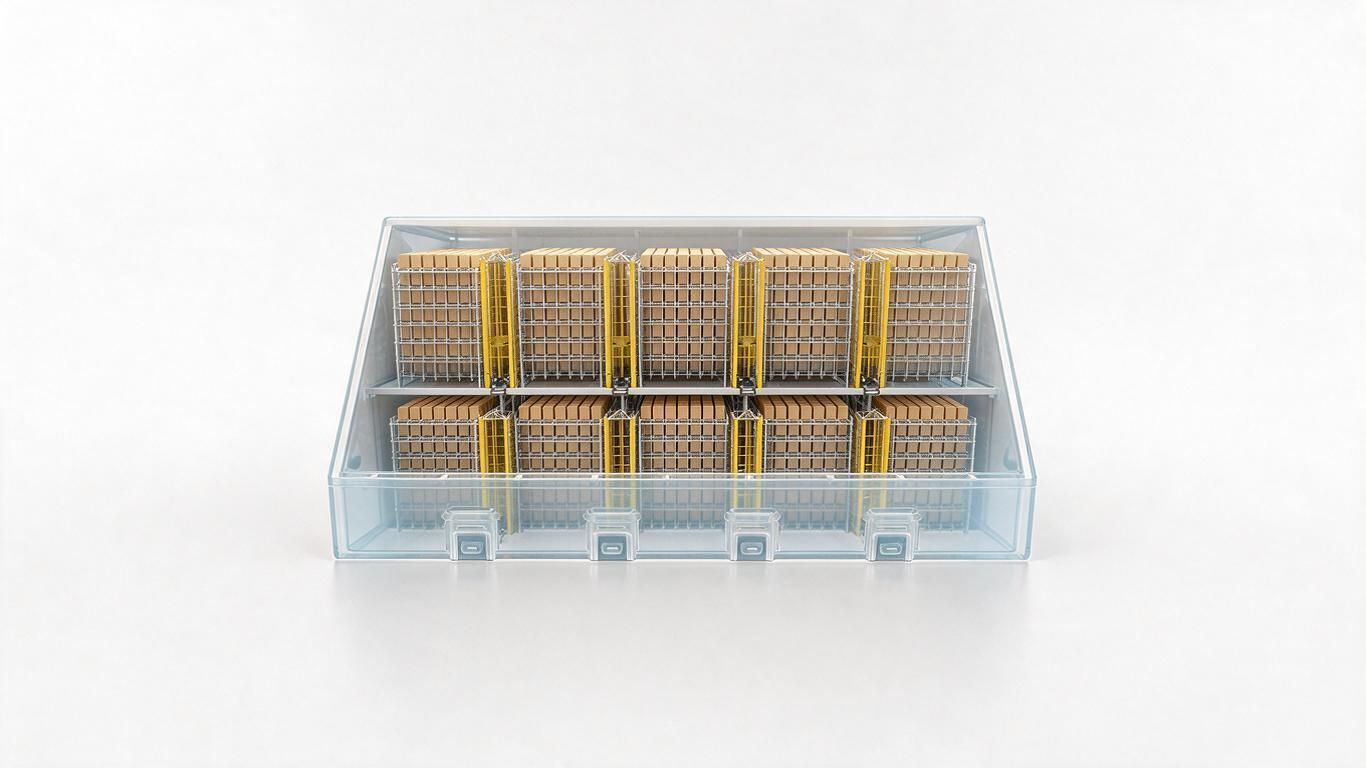
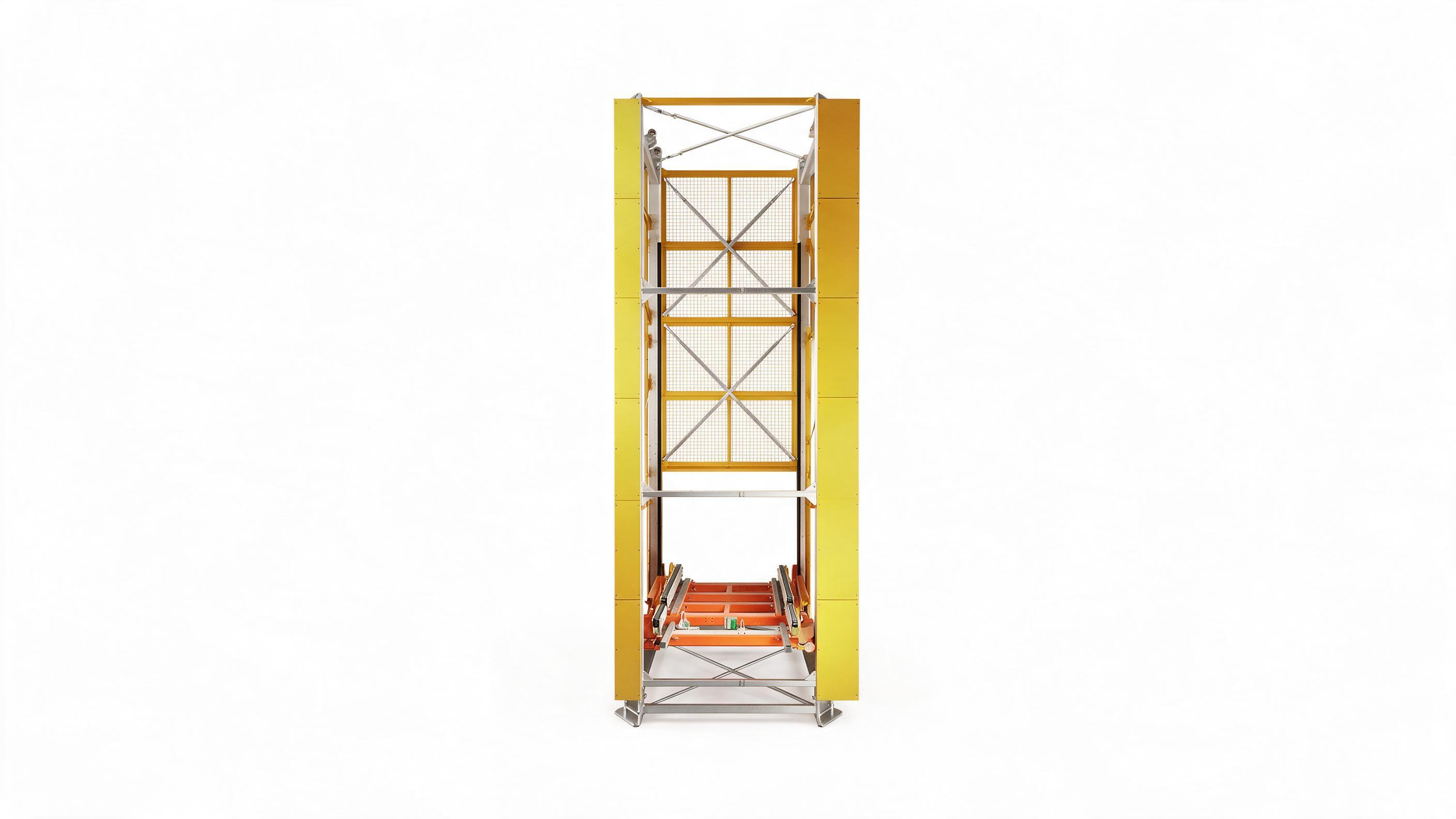
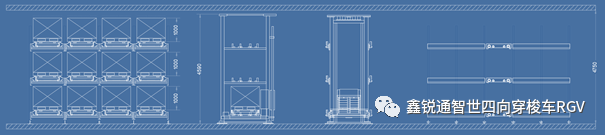
The three-level rack layout allocates space for loads measuring 1,200 × 1,000 × 1,000 mm. Each level has 58 positions, for 174 positions in total. A lift within the storage area moves loads between levels. The lift incorporates a chain conveyor and shuttle rails so that the shuttle and the load can move independently. The single shuttle brings loads to the lift for vertical transfer.
The elevation description gives a stacked load height of 1,000 mm and a rack height of approximately 6,100 mm. It specifies at least 165 mm of lift clearance above the storage position and at least 150 mm between pallets and the ends of each aisle. The rack height and the clear height stated in the project inputs differ in the original article and should be verified against the drawings before reuse.
Inbound. Operators barcode the material and use a handheld terminal to scan and associate the material and pallet codes during palletizing. A forklift takes the pallet to the inbound conveyor. The system checks dimensions and reads the barcode. A rejected pallet goes back for adjustment or to a separate inspection area before it can re-enter the process.
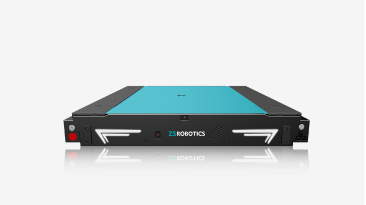
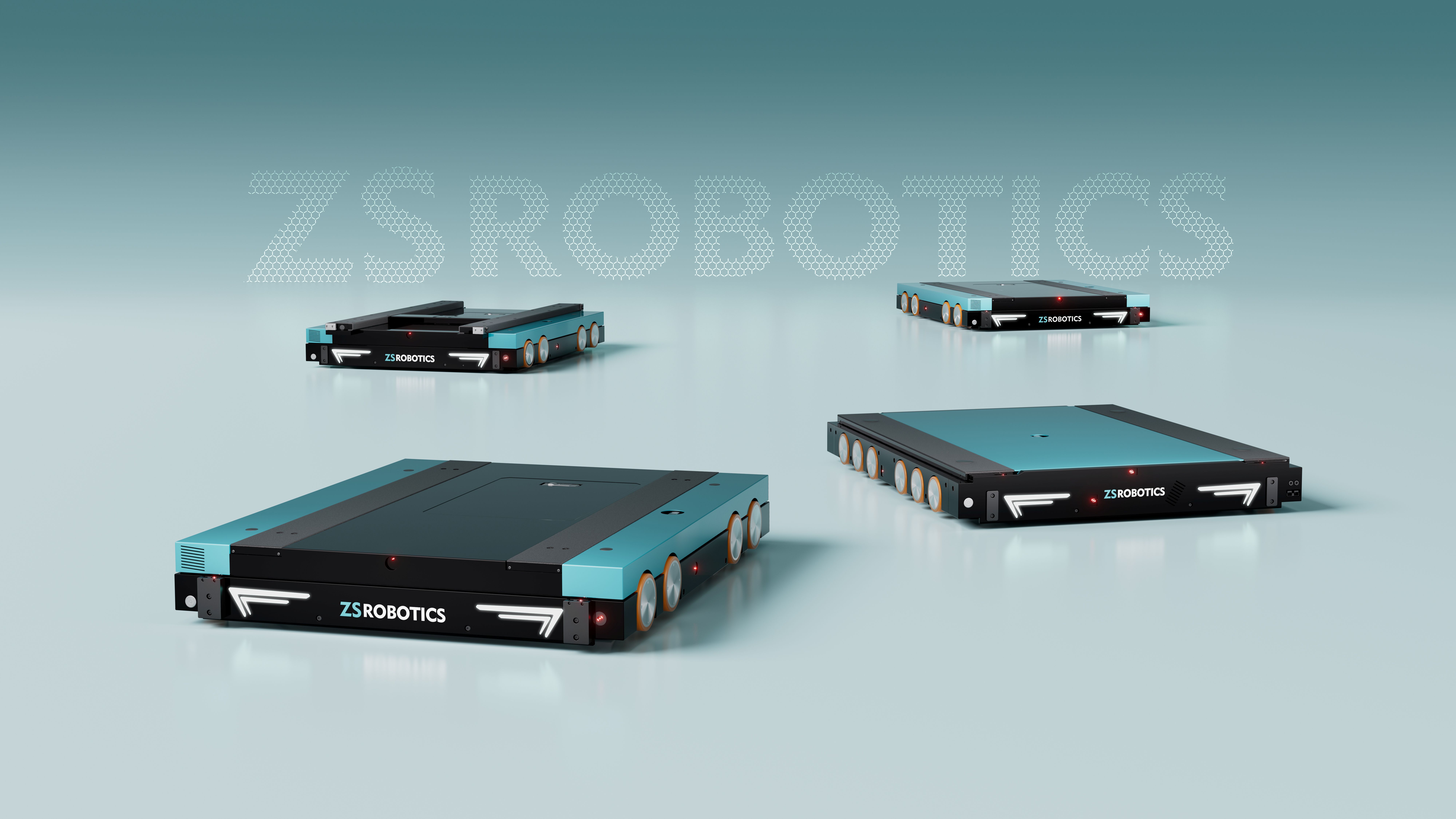
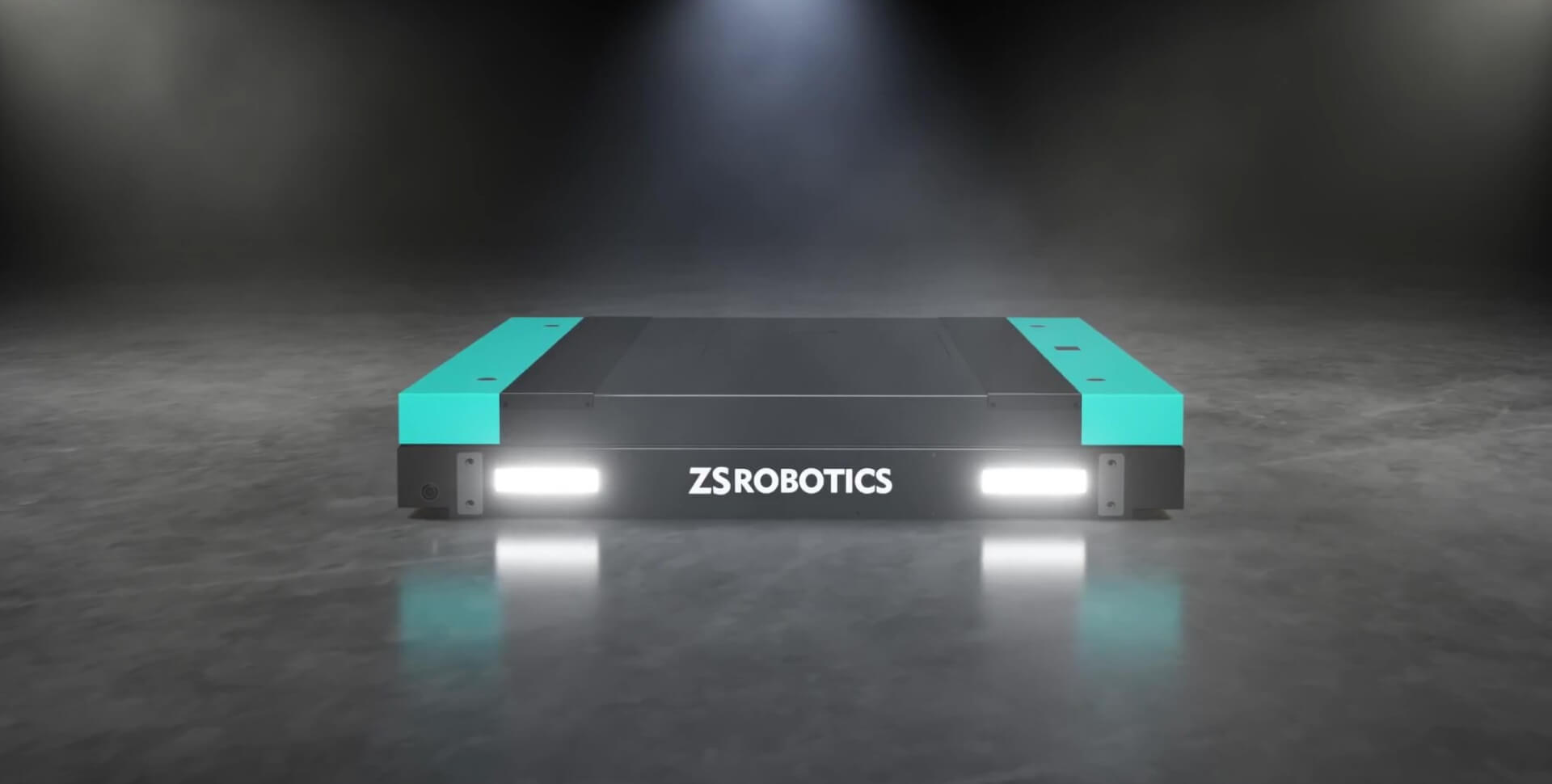
Accepted pallets travel to the lift. The warehouse management system (WMS) issues a storage task to the warehouse control system (WCS), which dispatches the shuttle. The shuttle moves beneath the lift's transfer conveyor, raises the pallet, and transports it to the assigned storage location. For upper-level positions, the lift takes the pallet to the required level before shuttle putaway.
Outbound. The WMS sends a retrieval task to the WCS. The WCS dispatches the shuttle to lift the pallet from its storage position and calls the lift to the relevant level. The shuttle enters the lift transfer position, lowers the pallet onto the conveyor, and leaves the lift. The lift descends to the ground level, where the outbound conveyor takes the load to the pickup point for forklift transport.
Shuttle charging. The charging position is at the end of a row near the lift. When the battery reaches the configured low-charge threshold, the shuttle finishes its current task and proceeds to the charging position. The system checks the battery level before assigning further work. It can also be configured to send idle shuttles to charge. During short periods without a task, the shuttle can enter sleep mode in place to conserve energy.
Published under the historical Xinruitong–ZS brand, the case illustrates how a rail-guided vehicle (RGV), lift, conveyors, and software can be combined for high-density spare-parts storage.